

CIA May Have Waterboarded More Detainees Than Previously Admitted, Newly Declassified FBI Records Suggest
The account may add to earlier Senate findings about water dousing and missing records at an Afghan black site
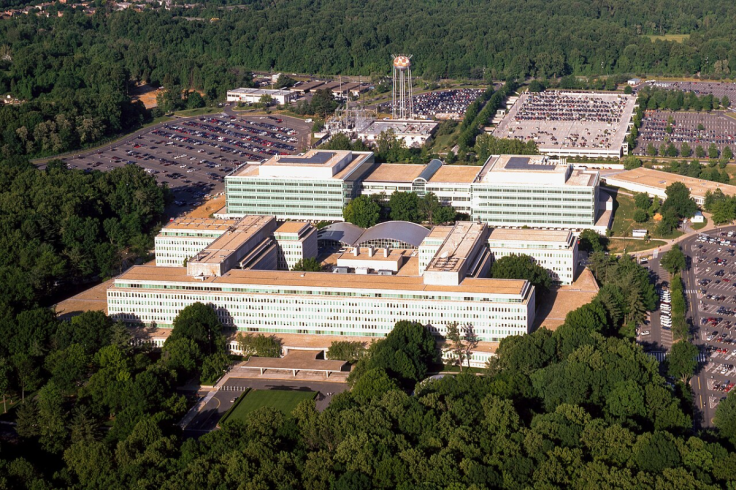
The Central Intelligence Agency may have subjected more than three detainees to waterboarding, after a newly declassified FBI interview summary recorded a former contract translator describing an apparent simulated-drowning session at a secret prison in Afghanistan.
The translator told an FBI agent in 2012 that he had seen a man referred to in the summary as 'Bahir' lying on a board with its head tilted downwards into water. The agent's account said about three or four people were carrying out the procedure. The translator said he witnessed it in passing and had not taken part.
The document does not identify the facility or establish the precise technique used. The likely location has been assessed as Detention Site Cobalt, known as the Salt Pit, near Kabul. If the account describes waterboarding, it would challenge the CIA's longstanding public statement that the technique was used on only three detainees.
The New Account Adds to Unresolved Questions at the Salt Pit
The CIA operated Detention Site Cobalt as part of its post-September 11 network of secret overseas prisons. A 2014 Senate Intelligence Committee report said CIA interrogators used water dousing on detainee Mustafa al-Hawsawi at Cobalt on 5 and 6 April 2003. One interrogator later wrote that the treatment might have been waterboarding or could be 'indistinguishable from the waterboard.' It also noted a photograph of a wooden waterboard at the site, surrounded by buckets and a watering can.
The report said there were no CIA records showing that the waterboard technique had been used at Cobalt. The agency could not explain why the equipment was there. The report distinguished water dousing from waterboarding but warned that some applications could have a similar effect.
CIA Director Publicly Named Three Detainees
On 5 February 2008, then-CIA Director Michael Hayden told the Senate Intelligence Committee that waterboarding had been used on only three detainees: Abu Zubaydah, Khalid Sheikh Mohammed, and Abd al-Rahim al-Nashiri. He said the technique had been used in 2002 and 2003.
The new FBI summary does not prove a fourth case or establish the man's identity. It adds another account to compare with the agency's official tally.
Waterboarding involves restraining a person, covering their face with cloth, and pouring water over it to create the sensation of drowning. Human rights organisations widely condemn it as torture. The Bush administration described it as an 'enhanced interrogation technique'.
Durham Inquiry Closed Without Criminal Charges
The FBI interview was part of material gathered during former prosecutor John Durham's investigation into CIA interrogation practices and the destruction of videotapes showing detainee questioning.
Attorney General Michael Mukasey appointed Durham on 2 January 2008 to investigate the destruction of the recordings. In August 2009, Attorney General Eric Holder expanded the review to examine possible unlawful treatment of detainees at overseas locations.
The Justice Department announced in November 2010 that it would not bring charges over the videotape destruction. In August 2012, it closed investigations into two detainee deaths without criminal charges, saying admissible evidence would not sustain convictions beyond a reasonable doubt.
The department said its inquiry was limited to whether prosecutable offences had occurred and did not resolve broader questions about the propriety of the conduct. The newly declassified account adds to the historical record, but is not a formal finding that the CIA waterboarded another detainee.
© Copyright IBTimes 2026. All rights reserved.