

Venezuela Earthquake Victims Slam US Aid Package Over 'Used Clothes' Donations? What the Viral Video Leaves Out
The viral video claims that Venezuela earthquake victims are demanding 'brand new items with tags still on them'
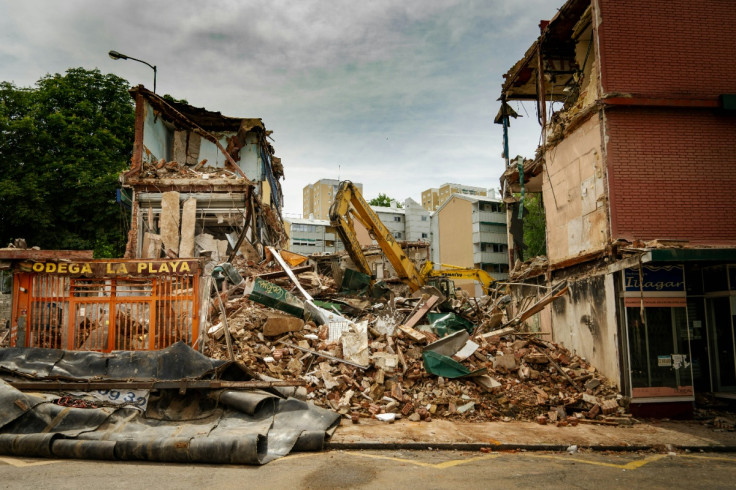
A viral video claiming some Venezuelan earthquake victims rejected donated used clothing has ignited fierce debate online, drawing criticism from thousands of social media users and raising questions about what disaster survivors actually need after Venezuela was struck by back-to-back magnitude 7.2 and 7.5 earthquakes that prompted an international relief effort.
However, the footage leaves out important context. While videos showing complaints about some donated items have spread widely across social media, there is no independent verification that earthquake survivors broadly demanded only brand-new clothes or refused humanitarian aid altogether.
Relief groups and collection centres have instead urged donors to send clean, usable items that can be distributed immediately.
The Viral Claim About Venezuela Earthquake Victims
The controversy began after a viral TikTok video, presented as a news report, claimed some victims were unhappy with clothing donations following the devastating earthquakes in Venezuela.
@rrrrrt054 Venezuela Earthquake Victims Slam Used Clothes Donations From Americans ,They Want New Clothes With Tags #usa #jesser #foryoupage #venezuela #clothesdonations
♬ original sound - rrrrrt054
The narration alleges that 'Venezuela earthquake victims were angry at Americans who donated used clothes.'
It further claims recipients said 'anyone who wanted to donate clothes should send brand new items with tags still on them' and that 'new shoes would be better, especially from well-known brands such as Nike or Adidas.'
The video also shows a woman complaining about tortillas included in an aid package, saying they were unfamiliar to local people and difficult to store because of power outages.
Despite those claims, they have not been independently verified. The edited compilation relies largely on narration and brief clips, making it impossible to determine whether the comments reflect the views of a few individuals or the wider community.
Collection Centres Stress Usable Donations
As relief efforts continue, collection centres have urged people to donate garments that are clean, wearable, and in good condition rather than worn-out or unusable clothing.
🇻🇪 En medio de la emergencia por el sismo, los centros de acopio reiteran un llamado a la conciencia: solo se debe donar ropa en buen estado, limpia y usable.
— Venezuela News (@AgenciaVNews) July 1, 2026
Ropa deteriorada o inservible sobrecarga los procesos de clasificación y termina convertida en desecho, restando… pic.twitter.com/Dn86uDljPC
Aid workers say damaged or dirty items slow relief operations because volunteers must spend valuable time sorting donations that often end up as waste instead of reaching families in need.
In one widely shared clip, some donated garments appear visibly stained or heavily worn, prompting many online users to argue that the issue was the condition of the clothing, not the fact that it was second-hand.
@bochinchemundialofficial Algunas personas en Venezuela han expresado su inconformidad con la calidad y el tipo de donaciones recibidas, señalando que prefieren no seguir recibiendo agua o ropa usada en centros de acopio. Estas declaraciones también han generado críticas de otros ciudadanos que consideran que cualquier ayuda en momentos difíciles debería ser valorada y recibida con respeto. #Venezuela #Donaciones #AyudaHumanitaria #Solidaridad #Actualidad
♬ original sound - Bochinche Mundial
Viral Videos Leave Out Broader Relief Effort
While the online debate has focused on a handful of viral clips, it has largely overlooked the wider humanitarian response following Venezuela's back-to-back earthquakes.
As reported by KING 5 Seattle, volunteers in Washington have been collecting clothing, hygiene products and other emergency supplies for affected families. Community groups have organised donation drives and prepared shipments as relief efforts continue.
The viral videos also fail to reflect the scale of the international response, with volunteers and aid organisations working to deliver essential supplies to communities recovering from the disaster.
Social Media Users Divided
The videos sparked thousands of reactions across social media, with many users arguing the debate was about the quality of donated clothing rather than whether it was new.
'It's not about brand new items. If you want to donate your old clothes, at least you have to wash it first,' one commenter wrote.
Another added: 'I mean it should be clean, not the clothes you want to throw away because of how you wore it. But clothes with tags?'
Others questioned the video's narrative. 'I feel like this video is trying to paint a different picture,' one viewer wrote, while another commented: 'If I were almost starving to death, I would rather eat someone else's half-eaten sandwich than complain about it not being freshly made.'
The mixed reaction highlights how viral videos can amplify isolated moments while leaving out the wider context of disaster relief and the thousands of volunteers working to help communities recover.
© Copyright IBTimes 2026. All rights reserved.