

Texas Faces Fresh Flood Emergency as Communities Relive Trauma of Last Year's Camp Mystic Disaster
The epicentre of the current emergency is the Texas Hill Country, a region meteorologists frequently refer to as 'Flash Flood Alley'.
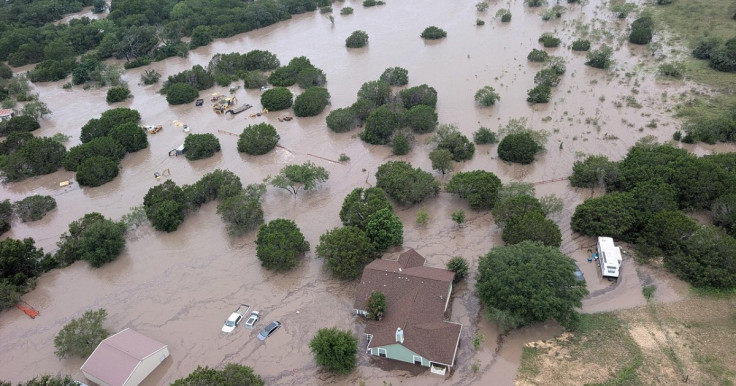
Torrential rainfall has triggered widespread flooding across South and Central Texas, as more than 75 people were rescued, while emergency teams have been rushed into a high-stakes rescue operation just one year after the state's deadliest flood disaster at Camp Mystic.
Texas is once again grappling with a severe flood emergency as relentless downpours overwhelm river basins, forcing families from their homes and pushing state rescue resources to their limits. While the current weather event has not yet resulted in the catastrophic loss of life seen in July 2025, the rapid rise of floodwaters has reignited deep-seated anxieties in communities still reeling from the scars of last year's tragedy.
State officials have activated more than 1,300 emergency personnel and helicopters to manage the crisis, with Governor Greg Abbott expanding disaster declarations to dozens of counties. As meteorologists warn that saturated ground conditions could turn even moderate rainfall into dangerous flash flooding, the state is operating with the painful, immediate lessons of the Camp Mystic disaster front and centre.
Familiar Rivers, Familiar Fears
Among the hardest-hit locations is Uvalde County, where emergency crews carried out dozens of water rescues after rivers rose rapidly following days of relentless rainfall. Authorities urged residents living near the Leona River to move to higher ground as floodwaters spread across neighbourhoods and major roads became impassable.
Governor Abbott expanded disaster declarations to dozens of counties while activating more than 1,300 emergency personnel, helicopters and specialised rescue teams. Flood watches covered millions of residents as forecasters warned that isolated areas could receive rainfall totals approaching 30 inches before the weather system finally weakened.
The scale of the emergency has once again highlighted the vulnerability of Texas Hill Country, often described by meteorologists as 'Flash Flood Alley' because of its steep terrain and rivers that can rise dramatically within hours after intense storms.
The Shadow of Camp Mystic
What makes this week's flooding impossible to separate from recent history is its timing.
Only a year has passed since devastating floods swept through Camp Mystic along the Guadalupe River, killing 27 campers and counsellors as part of a disaster that claimed nearly 140 lives across Texas. That tragedy fundamentally changed how residents, emergency officials and lawmakers approach every new flood warning.
Although the current flooding is centred largely around the Nueces River basin rather than Camp Mystic itself, the events have revived painful memories for families who lived through last summer's catastrophe. The resemblance lies not simply in geography but in the speed with which rivers transformed from manageable waterways into life-threatening torrents.
Investigators examining the 2025 disaster concluded that Camp Mystic lacked adequate written emergency evacuation plans and staff preparation despite multiple weather warnings before floodwaters struck. Their findings prompted legislative reforms aimed at strengthening emergency planning across Texas camps and improving flood preparedness.
Camp Mystic itself remains closed for the 2026 season while investigations continue and authorities implement changes following the disaster.
Rescue Efforts Continue Amid Ongoing Weather Threat
This latest emergency has, so far, unfolded differently. Officials reported no immediate fatalities linked to the current flooding, with emergency responders reaching stranded motorists, residents and families before conditions deteriorated further. In Uvalde County alone, more than 40 people required rescue after rising water trapped them in homes and vehicles.
Elsewhere, flooding struck communities, including Boerne, where swollen creeks exceeded previous records and prompted further evacuations. Severe weather also produced tornado damage around San Antonio, adding another layer of pressure for emergency services already responding to widespread flooding.
The National Weather Service continued warning that saturated ground means even moderate rainfall could rapidly generate dangerous flash flooding. Officials repeatedly urged residents not to drive through flooded roads, reminding the public that moving water can become deadly within seconds.
Lessons Still Being Tested
The response now unfolding reflects a state operating with the painful lessons of last year fresh in its memory.
Emergency resources were deployed before the worst flooding arrived, disaster declarations were issued quickly and evacuation orders followed rising river forecasts rather than waiting for conditions to worsen. Whether those changes ultimately reduce long-term risks will only become clearer after the floodwaters recede.
© Copyright IBTimes 2026. All rights reserved.