Polar Bears, Caribou, and an 11-Billion-Barrel Gamble: Inside Trump's Bid to Break Open America's Last Arctic Refuge
Trump's Alaska oil auction in Arctic refuge ignites lawsuits and environmental backlash

The Trump administration opened 689,000 acres of Alaska's Arctic National Wildlife Refuge (ANWR) to oil and gas bidders on 5 June, pushing ahead with one of the most contested energy proposals in American history. The auction covers a remote and pristine habitat for species including polar bears, caribou, and migratory birds. It represents the latest test of industry appetite for drilling in northern Alaska — a high-risk endeavour involving decades of work and billions of dollars of investment.
The US Bureau of Land Management (BLM), an arm of the Department of the Interior, put 60 tracts up for auction. Companies were required to submit bids by 3 June, with results to be opened and read via a livestream at 10:00 am local time.
The Trump administration will auction off 689,000 acres of Alaska's Arctic National Wildlife Refuge for oil and gas drilling today. pic.twitter.com/pOLYHIoI7w
— FactPost (@factpostnews) June 5, 2026
Trump Signs Four-Sale Mandate Into Law
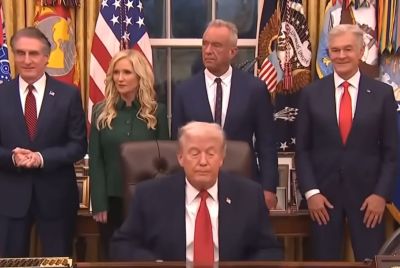
The sale is the first of four in ANWR mandated by the One Big Beautiful Bill Act that President Donald Trump signed into law last year, aligned with his push to boost domestic energy development and backed by Alaska state officials and some native groups who want to open up drilling in ANWR to create jobs and reverse the state's declining oil production.
Nagruk Harcharek, CEO of Voice of the Arctic Iñupiat, said in an emailed statement: 'Done the right way, in consultation with the Indigenous stewards of these lands, development has been shown to be a force for good for our region.'
But not all Indigenous communities share that view. The Gwich'in Steering Committee, the Native Village of Venetie Tribal Government, and others are among the plaintiffs in separate legal challenges against oil and gas leasing in the Refuge, with Gwich'in Steering Committee Executive Director Kristen Moreland previously stating that her community has been fighting for decades to protect the calving grounds of the Porcupine Caribou herd.
A History of Empty Bids
The auction arrives with a track record that gives even proponents pause. Two previous lease sales, mandated by the Tax Cuts and Jobs Act, were originally estimated to bring taxpayers almost $1 billion (£735 million) in revenue but fell far short. The first, held in January 2021, brought in just $16.5 million (£12.1 million). The second, held in January 2025, attracted no bidders and generated no revenue.
Autumn Hanna, Vice President of Taxpayers for Common Sense, was pointed in her assessment: 'Here we go again. When Congress authorised drilling in the Arctic Refuge we knew it was going to be a high-risk, low-reward prospect for taxpayers — and the reality has been even worse. The industry isn't interested, the revenue promises are inflated, and taxpayers have much more to lose than gain.'
Unlike the adjacent National Petroleum Reserve in Alaska, ANWR has no roads, facilities, or other infrastructure. A state agency, the Alaska Industrial Development and Export Authority, is currently the only oil and gas leaseholder in ANWR, with six tracts — none of which have seen any development to date.
The Trump administration on Friday will hold a sale of oil and gas leases on 689,000 acres (278,828 hectares) in Alaska's Arctic National Wildlife Refuge, a remote and pristine habitat for species including polar bear, caribou and migratory birds. https://t.co/rZQWsZwN7r
— Reuters Legal (@ReutersLegal) June 5, 2026
Lawsuits Target Interior Department's Leasing Decision
The auction has not gone unchallenged in the courts. Any new leases resulting from the sale will be subject to a lawsuit brought by the Natural Resources Defence Council, the Center for Biological Diversity, and Friends of the Earth, challenging the Interior Department's October 2025 decision to maximise oil and gas leasing across the Refuge's Coastal Plain.
Bobby McEnaney, Director of Land Conservation at NRDC, said: 'Drilling in the Arctic Refuge is reckless, and the market knows it. The last Coastal Plain auction drew zero bids.'
ANWR was first protected under President Dwight Eisenhower in 1960, and the debate over whether to drill there has persisted across more than a dozen administrations. The US Geological Survey estimates the Refuge's coastal area holds up to 11.8 billion barrels of technically recoverable oil — a figure that has driven energy ambitions for decades, even as environmental and Indigenous groups warn the cost to the ecosystem could be irreversible. With lawsuits pending and two previous auctions generating little or no revenue, the outcome of today's sale is expected to clarify whether industry appetite has changed.
© Copyright IBTimes 2025. All rights reserved.
- Recommended For You