Doctors, Lawmakers Blast Trump's Childhood Vaccine Overhaul as 'Dangerous' and 'Deeply Concerning'
Medical experts and lawmakers express concerns over new vaccine guidelines

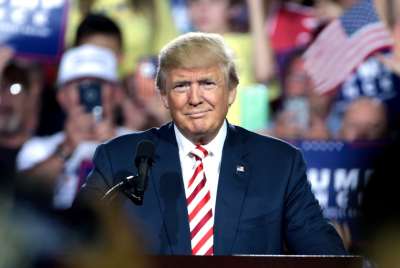
Doctors and Democratic lawmakers are warning that Donald Trump's new childhood vaccine order could confuse parents, burden families and undermine decades of evidence-based public health guidance.
Trump signed an executive order Monday recognising what his administration called 'Gold Standard Childhood Vaccine Recommendations' for immunisations against 11 diseases. The order says immunisations for measles, mumps, rubella, diphtheria, tetanus, pertussis, polio, Haemophilus influenzae type B, pneumococcal disease, human papillomavirus and varicella should be recommended for all children.
For too long, America recommended more childhood vaccines than any peer nation. No longer.
— The White House (@WhiteHouse) August 10, 2026
President Trump recognizes the Gold Standard Childhood Vaccine Recommendations, maximizing parental choice & aligning immunizations with science & best practices from peer, developed… pic.twitter.com/rGLajXE6bg
Other protections, including vaccines against hepatitis A, hepatitis B, rotavirus, influenza, COVID-19 and meningococcal disease, would be treated differently. Some would be recommended only for certain high-risk groups or populations, while others would be offered through 'shared clinical decision-making' between parents and medical providers.
Trump also called for the measles, mumps and rubella vaccine to be broken into separate shots administered during separate medical visits.
Doctors Warn of Added Burdens
Medical experts sharply criticised the order, saying the administration's approach departs from the established scientific review process traditionally used to develop US childhood vaccine recommendations. Jan Carney, president of the American College of Physicians, called the changes 'problematic and deeply concerning'.
The Order provides recommendations that give parents more information and options when making immunization decisions for their children.https://t.co/yRcu4fMDHN pic.twitter.com/6TUa9oaG8b
— The White House (@WhiteHouse) August 10, 2026
'This executive order is part of a troubling pattern by the administration to attempt to unilaterally change vaccine guidance, particularly for children,' Carney said, arguing that decisions should rely on transparent scientific review.
She warned that separating shots and spreading them across multiple appointments could increase costs for families, including extra copays, while making it harder for parents to keep children fully protected.
AAP Defends Existing Schedule
Andrew Racine, president of the American Academy of Pediatrics, said the AAP's vaccine recommendations are based on scientific evidence about when children are most vulnerable to disease and when vaccines provide effective protection.
'Pediatricians recommend children receive certain vaccines at specific ages based on when children's immune systems will respond best and when they are most vulnerable to certain diseases,' Racine said.
He added that children may sometimes receive one shot protecting against multiple diseases, or several vaccines in one visit, because that timing is designed around medical evidence.
The AAP's 2026 immunisation schedule recommends routine protection against more diseases than the administration's list of 11 universally recommended immunisations, putting the organisation at odds with Trump's order and earlier changes to federal recommendations.
Autism Claims Draw Backlash
During the signing ceremony, Trump again raised autism while discussing childhood vaccination, referring to what he called 'epidemic rates of autism' while acknowledging that the exact cause remains unknown. Large studies have repeatedly found no causal association between vaccines and autism.
The idea vaccines cause autism was invented by Andrew Wakefield in 1998 in a fraudulent paper.
— Neil Stone (@DrNeilStone) August 10, 2026
It's was so thoroughly debunked he lost his license for gross medical malpractice
And here we are 28 years later RFK Jr is dredging it up and using it to inform vaccine policy
Neil Stone, an infectious diseases doctor and clinician-scientist, wrote on X that the idea originated with Andrew Wakefield's 1998 paper, which was later retracted after serious problems with the research emerged.
'The idea vaccines cause autism was invented by Andrew Wakefield in 1998 in a fraudulent paper,' Stone wrote, adding that it had been 'thoroughly debunked'.
Democrats Tell Parents to Trust Doctors
Democratic Rep. Frank Pallone accused Trump of sidestepping independent scientific expertise in developing the recommendations.
'Parents deserve accurate, trusted medical guidance, not a White House-curated list designed to rubberstamp Secretary Kennedy's radical anti-vaccine agenda,' Pallone said.
Sen. Patty Murray was even more direct, urging parents to 'listen to your doctor NOT Trump or RFK Jr.'
'IGNORE Trump's Executive Order,' Murray wrote. 'There is NO link between vaccines and autism.'
The order does not itself set school vaccine mandates, which are generally determined at the state level. However, critics say the changes could still affect how families understand federal vaccine guidance, create additional appointments and increase confusion over which vaccines children should receive.
The administration, meanwhile, says the changes are intended to give parents greater flexibility and align US recommendations more closely with those of other developed countries. The dispute now places two sharply different approaches to childhood vaccination before American families, with medical groups defending existing evidence-based recommendations while the Trump administration pushes for fewer universally recommended immunisations and greater parental choice.
© Copyright IBTimes 2026. All rights reserved.
- Recommended For You