

Donald Trump Could Resign as Ralph Nader Calls Him 'Exhausted Physically and Mentally' After Loss
A Democratic takeover of Congress has revived questions about Trump's political future
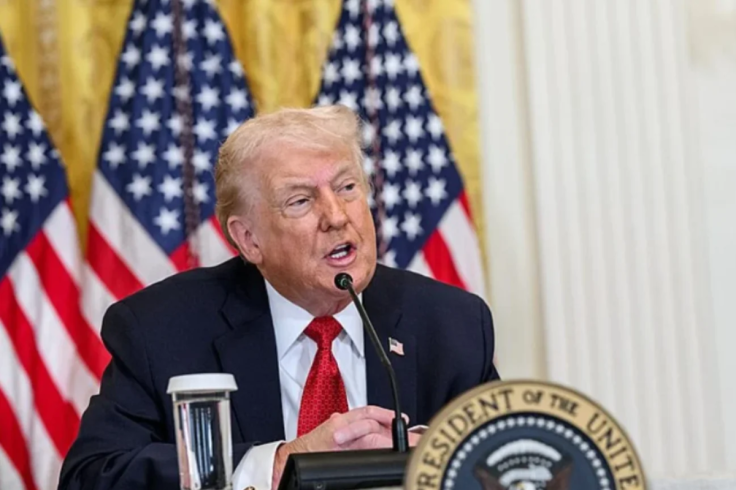
Speculation surrounding a potential Donald Trump resignation has resurfaced across Washington commentary following Democratic victories in the 3 November 2026 United States midterm elections
The electoral shift has renewed attention on an 8 October essay in Washington Monthly by consumer advocate Ralph Nader, who argued that looming congressional investigations and physical strain could persuade the 80-year-old president to leave office early.
According to projections by the Associated Press, Democrats captured majorities in both the Senate and the House of Representatives, reshaping the legislative landscape ahead of the new Congress convening in January 2027.
Nader published the same argument on his own website on 2 October, well before voters went to the polls. The former Green Party presidential candidate proposed resignation as one possible response to losing congressional support, not as a decision Trump had made.
Similar hypothetical forecasts from Democratic strategist James Carville and polling analyst Nate Silver have added to the post-election chatter, though none of the commentators offered evidence of an actual plan to step down.
The White House has forcefully defended Trump's health and work ethic against critics, whilst Trump himself has signalled no intention of departing before his term ends in January 2029.
Why Ralph Nader Thinks Donald Trump Might Resign
Nader argued that Democratic control could expose Trump to congressional investigations, subpoenas and damaging disclosures.
He suggested that leaving office might appeal to a president facing two years of intense scrutiny. Resignation, however, would not automatically stop investigations or shield anyone from legal proceedings.
He also described Trump as 'exhausted physically and mentally', claiming his condition was deteriorating.
Nader cited a statement involving more than 30 mental health professionals and physicians. He said Senators Sheldon Whitehouse and Jack Reed had read it into the Congressional Record on 30 April.
Nader suggested Trump could invoke 'Drs. Orders' and say he wanted more family time. He also speculated that First Lady Melania Trump would welcome a resignation. He offered no direct statement from her supporting that view.
Ralph Nader Favours Vice-President JD Vance
Another element of his theory was succession. Nader argued that making Vice President JD Vance president could settle a potentially divisive Republican contest ahead of 2028. His description of Vance as Trump's preferred successor was an interpretation, not confirmation of an agreed handover.
Other political commentators have floated similar scenarios. During a 21 October interview with Fox News host Laura Ingraham, Democratic strategist James Carville stood by his forecast. He predicted Trump would be 'out by Easter' 2027 and suggested the president might lose interest after an electoral setback.
On a 4 November episode of the Still Counting podcast, analyst Nate Silver described a 'weird intuition' that Trump might find a reason to quit. Silver worried the president could become increasingly isolated. Neither commentator offered evidence of an actual resignation plan.
What Trump Resignation Would Mean for Vance
Under Section 1 of the 25th Amendment, Vance would immediately become president if Trump resigned. No special election or congressional approval would be required for that transfer.
Section 2 would then allow Vance to nominate a new vice president. The nominee would need majority approval in both the House and Senate, making the timing politically important as Democrats prepare to assume control.
Only one US president has resigned. Richard Nixon left office in August 1974 amid the Watergate scandal.
Trump's recent direction to Vance also illustrates why succession cannot be assumed. On 12 November, Trump told him to shift attention from Iran diplomacy towards alleged crime and corruption in Democratic-run areas. The instruction followed Vance's comments about the war's political cost, but it does not establish a rupture or plans to hand him power.
© Copyright IBTimes 2026. All rights reserved.