

'I Can't Be Racist': Elon Musk Rejects Racism Claims, Points to Half-Indian Partner
Musk defends USAID cuts under DOGE but says he got a little carried away by politics

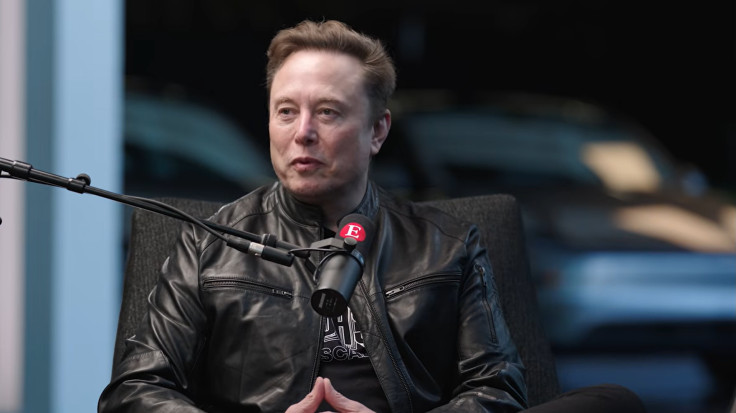
Elon Musk has completely rejected accusations that he is racist, arguing that his personal relationships and beliefs contradict that characterisation. In a recent interview with The Telegraph, Musk said criticism of his views on immigration and multiculturalism has been misrepresented, while also acknowledging that he became 'too involved in politics' during his time at DOGE under the Trump administration.
The comments come as Musk continues to draw criticism over his political interventions in Europe and the US, particularly through his X posts, support for controversial political figures, and outspoken views on immigration, free speech, and AI.
Addressing allegations of racism directly, Musk said: 'I can't be racist. My partner is half-Indian.' That remark was made in response to criticism that his recent political commentary has echoed far-right narratives, particularly in Britain.
He has publicly backed former Reform UK MP Rupert Lowe and his newly launched Restore Britain Party. Musk also voiced support for British far-right activist Tommy Robinson, whose legal cases and activism have made him one of the most polarising political figures. On Robinson, Musk said: 'You either fight back, or you die.'
Musk Defends Views on Immigration
During the interview, Musk also defended his views on immigration after being asked whether he was anti-Muslim. He rejected that label, saying his concerns relate to cultural integration rather than religion itself.
'If people are coming to a country with antithetical views, I am against that. I'm against rape and murder. I'm against the imposition of rules and laws that are contrary to what we've come to accept in the West,' Musk said.
He added that many people described as being on the 'far-right' were 'just normal people,' reflecting his broader criticism of how political labels are applied in public debate.
Musk has warned multiple times that Europe faces growing social tensions if immigration policies remain unchanged. Despite admitting he has not visited Britain in several years, he said he has traveled there 'literally a hundred times.'
'If you have a large and growing, rapidly growing, group of people whose beliefs are antithetical to Western beliefs, at some point there will be a reckoning. They will try to implement their views, and those who oppose it will oppose it,' he added.
His previous comments predicting that civil unrest in Britain was 'inevitable' and his posts during race-related disturbances in Belfast have prompted accusations from critics that he has inflamed tensions. Supporters, however, argue that Musk is raising legitimate concerns about immigration, free speech, and public safety.
Musk also admitted at the end of the interview that his role leading the DOGE initiative pulled him too deeply into partisan politics. 'I think I got a little too involved in politics, got carried away, frankly,' Musk said.
However, he defended spending cuts affecting the US Agency for International Development (USAID), claiming, without presenting evidence, that 'zero people' had died as a result. Musk had even argued that private philanthropy from wealthy donors, including Bill Gates and MacKenzie Scott, could help replace government-funded aid programs.
© Copyright IBTimes 2026. All rights reserved.