

UK City Plans To Ban Balaclavas After Surge In Cases Of Masked E-Bike Thugs Running Riots In The Streets
As debate swirls over masks and e-bike nuisance, city officials confirm a ban is not part of the current Public Spaces Protection Order consultation, despite mounting public concern.
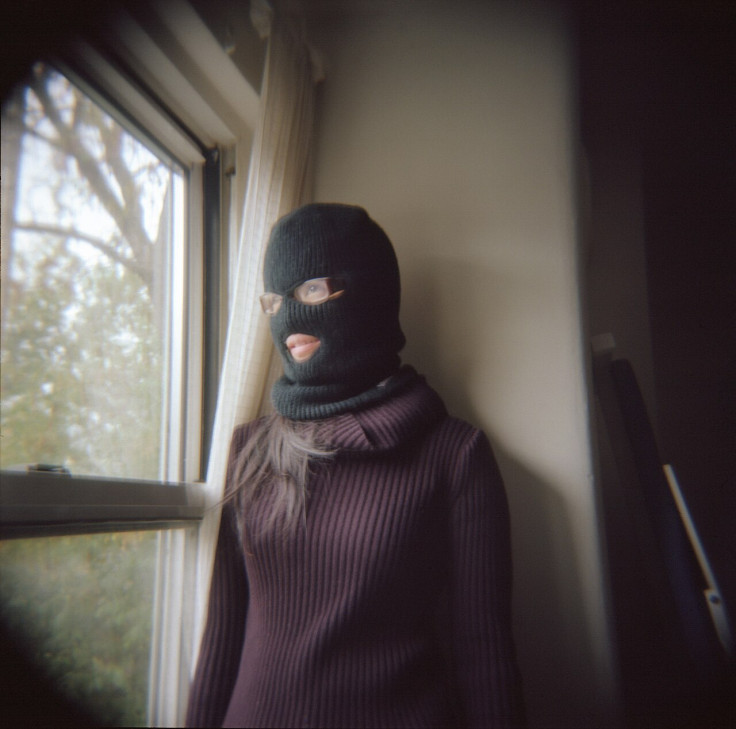
Nottingham City Council has moved to clarify its position on a potential balaclava ban, stating that face coverings do not currently form part of the city's new Public Spaces Protection Order (PSPO) proposals.
The clarification follows widespread speculation and intense public debate regarding the use of masks by individuals linked to anti-social behaviour and e-bike incidents in the city centre. While officials acknowledge that the issue has become a significant point of contention, they maintain that any formal move to restrict clothing would require a separate consultation and further legal scrutiny.
The discourse has intensified after the leader of the council, Councillor Neghat Khan, voiced personal concerns about the prevalence of masked individuals in high-footfall areas. Cllr Khan pointed specifically to the intimidating nature of groups wearing face coverings during warm weather, labelling it a 'serious concern' for public safety. Her remarks have fuelled a viral conversation about street safety, with many residents calling for stricter enforcement to tackle the perception of organised 'masked gangs' operating on electric bikes.
The Scope Of The Current PSPO Proposals
The proposed PSPO is designed to address a range of nuisance behaviours, including unauthorised leaflet distribution, disruptive busking, and aggressive begging. It is an administrative tool intended to empower authorities to address specific, low-level offences that affect the quality of life in Nottingham's commercial and cultural districts.
Current council documentation confirms that a ban on balaclavas is not included in the draft being put to the public. However, the council has indicated that it is listening to feedback. If public support for extending the order to include face coverings proves significant, the local authority could theoretically launch a follow-up consultation. For now, the administration is focused on gathering views on the existing measures, leaving any potential clothing restrictions in the realm of hypothetical policy.
Rising Concern Over Masked E-Bike Activity
The push for discussion has been partly fuelled by concerns over masked e-bike gangs in the UK, where offenders allegedly use electric bikes for fast movement through crowded urban areas while concealing their identities.
Council leader Neghat Khan has raised concerns about the visibility of such behaviour in public spaces, questioning why individuals would wear heavy face coverings in warm conditions and linking it to broader concerns about intimidation and perceptions of safety in the city centre.
However, authorities have not published detailed breakdowns that confirm a consistent pattern of organised "gang" activity, and much of the concern is based on reported incidents and community feedback rather than on classified crime categories.
Police Response And Confirmed Incidents
Nottinghamshire Police have been referenced in relation to several public disorder and theft-related investigations involving e-bikes, but detailed public statements directly supporting a balaclava-specific policy have not been issued.
Where incidents have occurred, authorities have generally treated them under broader categories such as theft, robbery, or anti-social behaviour, rather than defining them as a distinct 'masked e-bike gang' trend.
This gap highlights a key issue in the debate: perception is outpacing the formal classification of the problem.
Winter Wonderland Machete Incident
One of the most widely discussed events shaping the conversation was a reported incident at Nottingham's Winter Wonderland event in the city centre last November.
CCTV footage circulated at the time showed masked youths riding e-bikes in Old Market Square, with reports suggesting machetes were seen during the disturbance. The incident caused significant public alarm due to its location in a busy festive area.
While the footage contributed significantly to public concern, detailed updates on arrests, charges, or prosecutions have not been consistently published for the specific individuals involved, leaving parts of the case unresolved in the public narrative.
Man escapes police custody…👮♀️
— ANDY PUBLIC U.K (@Andypublicuk) June 10, 2026
Belfast Northern Ireland.
A balaclava clad man is marched through the streets by the Police but then he makes a break for it … pic.twitter.com/wCQe1f8M8R
CCTV and Anonymity In Street Crime Debate
A recurring theme in the discussion is the role of CCTV in preventing crime, and whether face coverings undermine its effectiveness.
Shopkeepers have expressed concerns that individuals wearing masks feel less identifiable, which may increase opportunistic theft in retail areas. This has contributed to broader concerns about street-crime anonymity and CCTV, particularly in high-footfall zones where surveillance is heavily relied upon.
However, experts also note that CCTV effectiveness depends on multiple factors, including police response time, lighting, and camera coverage, not solely on facial visibility.
Crime Rates And Public Perception In Nottingham
Recent nationwide crime data places Nottingham among higher-ranking areas outside London for reported offences, with figures often cited at around 122.2 crimes per 1,000 residents.
However, officials stress that crime statistics vary by category and reporting method and do not always reflect real-time street conditions or specific neighbourhood experiences.
The debate around safety has therefore become as much about perception as about recorded crime data, particularly in city-centre entertainment and retail districts.
Public Support And Campaigner Influence
Support for stricter measures has also come from individuals affected by violent incidents involving e-bikes. Campaigner Amy Hodson-Ridgeway, who began advocating for change after her son was injured in a hit-and-run incident involving an e-bike, has supported discussions around restricting anonymity in public spaces.
She argues that concealment can make it easier for repeat offenders to avoid accountability, although this position remains part of a broader public debate rather than a formal policy consensus.
For now, the balaclava issue remains a 'watched space'. While the council has not ruled out future action, the immediate priority is to address the nuisance behaviours currently under review.
The coming weeks will likely see further scrutiny from both the public and local business representatives as the consultation period concludes and the council prepares its final implementation plan for the city centre.
© Copyright IBTimes 2026. All rights reserved.
- Recommended For You


