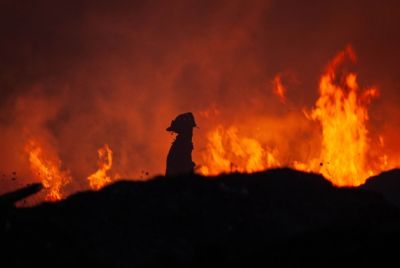
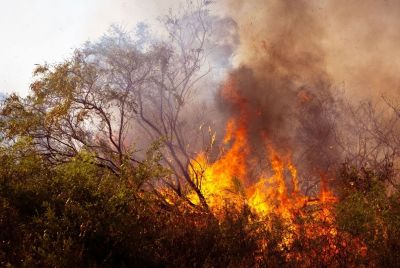
Deadly Europe Heatwave Linked to Multiple Deaths as Temperatures Continue Rising
Unprecedented heatwaves sweep across Europe, breaking records and raising climate change alarms.
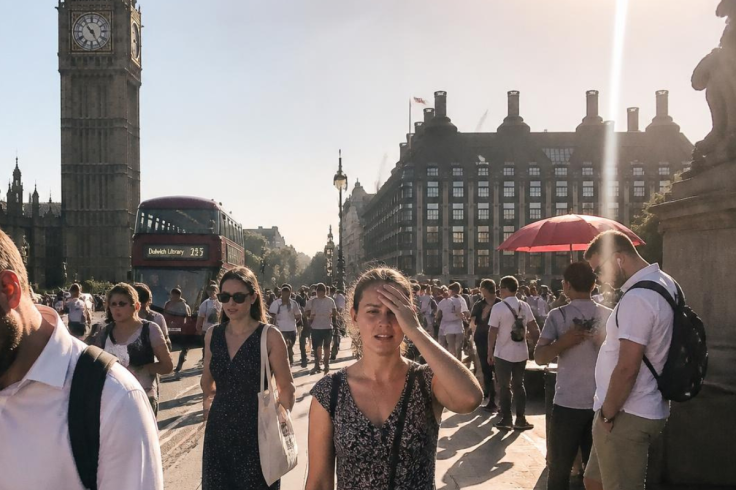
Europe is facing unusually early and dangerous heatwaves, with authorities issuing emergency warnings as multiple deaths have been reported due to temperatures climbing above normal seasonal levels.
Experts said countries are experiencing a massive 'heat dome', shattering May records in London and fuelling heat in France. Officials are also raising concerns over rare 'tropical nights' where overnight temperatures remain high that many people are unable to cool down even after sunset, The Associated Press reported.
Record Temperatures Sweep Across Europe
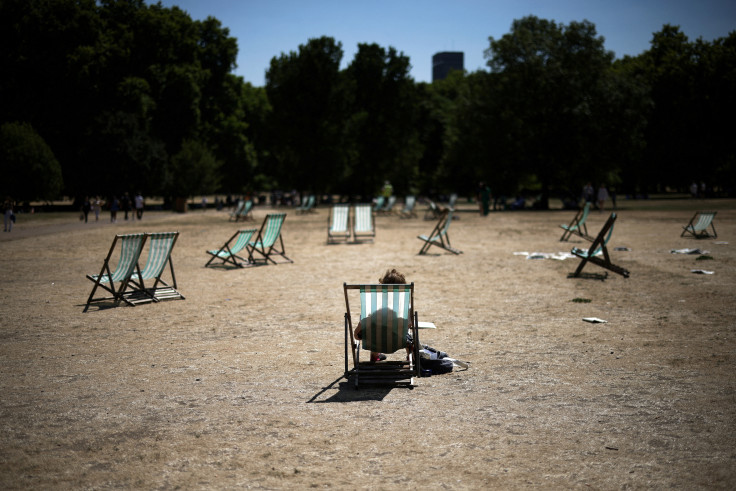
In London, temperatures broke a century-old record on Tuesday, hitting 35.1 degrees Celsius at Kew Gardens, according to Britain's Met Office weather. The day earlier, temperatures were recorded at 34.8 degrees Celsius in the same location. The temperature shattered the 32.8 degrees Celsius recorded in 1922 and matched in 1944.
In France, weather agency Meteo France said the national heat index was recorded at 24.8 degrees Celsius on Tuesday, surpassing the 24.6 degrees Celsius recorded on Monday. Authorities issued an orange heat wave alert, the second highest, in the northwest side of the country as the heatwave is expected to persist until Wednesday or Thursday.
Meanwhile, in Spain, its meteorological office, AEMET, warned that a 40-degree-Celsius temperature is possible in some areas later this week. In Italy, authorities have restricted people from walking outdoors, if not needed.
Deaths Reported as Heatwave Turns Deadly
Authorities say the scorching temperatures have already been linked to multiple deaths across Europe.
In France, several heat-related incidents have been reported, including deaths connected to outdoor activities and swimming accidents as people rushed to beaches and lakes to escape the heat. Government spokesperson Maud Bregeon said seven deaths were reported in connection with the high temperatures, including five drowning incidents and two sporting event collapses.
Emergency services in the UK have also responded to a rising number of heat-related incidents. Authorities said at least four teenagers died in apparent drownings in lakes and reservoirs, while a 60-year-old man was reportedly dead in a sea in southwest England. The persistent heatwave has also prompted the UK Health Security Agency to issue an amber health alert for large parts of the country until Thursday. It warned of potential health risks among older people, children, and workers who are at risk of experiencing heat exhaustion and dehydration.
Scientists Say Climate Change Fuelling Heatwaves
Meteorologists say the extreme temperatures sweeping across Europe are being intensified by a powerful 'heat dome', a weather phenomenon that traps hot air over a large region for days or even weeks. The system has pulled unusually warm air from North Africa into parts of Western and Southern Europe, pushing temperatures far above normal seasonal averages and creating dangerous 'tropical nights' where cities struggle to cool down after sunset.
But experts are also pointing to human-driven climate change, especially burning coal, oil, and gas, as the reason the heat becomes more intense and frequent.
The extreme conditions are also exposing weaknesses in Europe's infrastructure, much of which was not designed to handle prolonged periods of intense heat. Many homes and public buildings across countries like the UK and France lack air conditioning, while hospitals, public transport systems, and power networks are facing increasing strain as temperatures continue to rise. Officials have warned that without major adaptation efforts, future heatwaves could place even greater pressure on health systems and urban infrastructure.
Bob Ward of the Grantham Research Institute on Climate Change and the Environment at the London School of Economics said changes in the way people live and businesses operate were necessary, AFP reported.
'We now have the climate of the Mediterranean countries in the summer but we don't have the buildings and offices built for a Mediterranean climate', he added, calling for action.
Issuing the same warning, Friederike Otto, professor of climate science at Imperial College London, said: 'The climate we are living in today is simply not the one we grew up with, and our buildings and infrastructure are woefully unprepared for what's next'.
© Copyright IBTimes 2026. All rights reserved.
- Recommended For You