

NATO Pledges To Defend Space as Reports Warn of Russian Nuclear Satellite Launch Within 60 Days
NATO says it would defend its territory, including in space, while Moscow rejects the allegations and Berlin declines to confirm or deny them
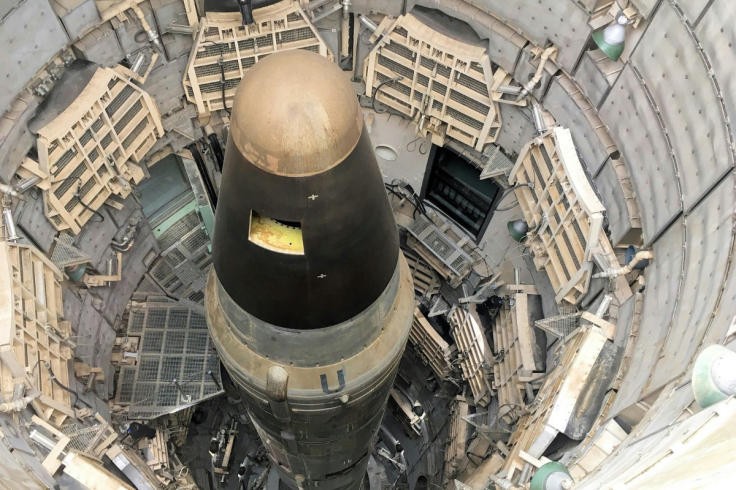
Russia could launch a nuclear-armed satellite within 60 days of an intelligence warning issued in early November, German media have reported. NATO Secretary-General Mark Rutte said the alliance would defend its territory, including in space.
The reports have not been independently verified. NATO has not publicly confirmed the reported launch plan, and Moscow has rejected the allegations.
What the Reports Say
The claims come from a joint investigation by NDR, WDR and Süddeutsche Zeitung, which cited Western intelligence and military assessments, including information attributed to Germany's Federal Intelligence Service (BND) and armed forces. The full list of countries and agencies involved has not been disclosed.
The investigation relied on unnamed security sources. It reported that the satellite had already been assembled and was stored in the Moscow region. The 60-day period refers to the time from the warning, rather than a launch date known to have been set.
NATO and Berlin Respond
Rutte said NATO had a range of options for responding to threats in space, although some measures might not be visible to the public. He added that the alliance regularly assessed its deterrence and defence posture. His remarks restated existing policy rather than announcing new measures.
German Chancellor Friedrich Merz, who appeared alongside Rutte, said the reports revealed the level of escalation Russia was prepared to pursue. His comments did not independently confirm the alleged satellite or its reported timetable.
A German government spokesman declined to confirm or deny the allegations, saying the government was taking them 'very seriously' while cautioning against 'excessive nervousness regarding hypothetical dangers', AFP reported.
Kremlin spokesman Dmitry Peskov said he had not seen the latest reports. He dismissed the allegations, questioning claims attributed to unidentified sources and saying they were hardly worth taking seriously.
Warnings, Treaty Rules and Earlier Capabilities
In February 2024, the United States publicly raised concerns about a Russian space-based anti-satellite capability. US officials raised concerns about the development, although they did not disclose all the intelligence behind the assessment. Moscow rejected the allegations.
President Vladimir Putin said at the time: 'Our position is clear and transparent: We have always been categorically against and are now against the deployment of nuclear weapons in space.'
Russia is a party to the 1967 Outer Space Treaty. Article IV prohibits signatories from placing nuclear weapons or other weapons of mass destruction in orbit around Earth, installing them on celestial bodies or stationing them in outer space in any other manner. If Russia were to place a nuclear weapon in Earth orbit, that would breach the article.
The treaty does not prohibit every form of military activity in space. The United States and China have demonstrated anti-satellite capabilities, although such systems should not be confused with nuclear weapons stationed in orbit.
In September, US Secretary of the Air Force Troy Meink confirmed that the Space Force had deployed 'on-orbit space-control weapons' capable of defending US forces against hostile adversary action. He did not disclose further details.
Josef Aschbacher, head of the European Space Agency, discussed the prospect of nuclear weapons in space, Handelsblatt reported.
NATO has said it will continue assessing its defences and respond where necessary. The reports have not been independently verified, and no launch date has been publicly confirmed.
© Copyright IBTimes 2026. All rights reserved.