Trump Says Iran Is Doing a 'Very Poor Job', 'That Is Not the Agreement We Have' Amid Strait of Hormuz Oil Tensions
Trump's remarks raise concerns over key global shipping route stability

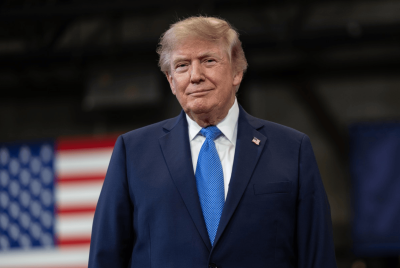
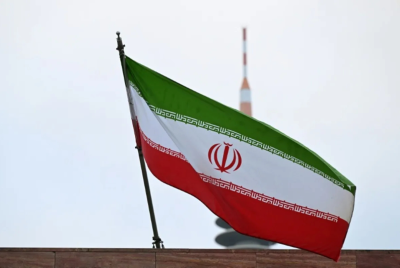
Trump has escalated tensions over Middle East energy security after accusing Iran of failing to uphold expectations on oil transit through the Strait of Hormuz, saying it is 'doing a very poor job' and insisting 'that is not the agreement we have', in comments that come amid a fragile ceasefire environment and ongoing uncertainty over maritime stability in the region.
The remarks, posted on Truth Social, immediately drew attention due to the strategic importance of the Strait of Hormuz, a vital global shipping lane through which a significant share of the world's seaborne oil passes. Any disruption in the waterway has historically triggered concerns over supply security and volatility in global energy markets.
Trump's Truth Social Statement Raises Fresh Tensions
In his post, Trump directly criticised Iran's handling of oil flow through the Strait of Hormuz, stating it was 'doing a very poor job' in allowing transit to proceed as expected. He added that the situation 'is not the agreement we have', suggesting a breakdown or dispute over previously understood arrangements governing the waterway.
The comments did not provide further detail on the specific agreement he was referring to, but they come at a time when maritime access and enforcement in the region remain politically sensitive and closely monitored by international stakeholders.
The tone of the message was notably confrontational, reinforcing concerns that disputes over shipping routes could add pressure to already strained diplomatic dynamics.
Strait of Hormuz Remains Critical Global Energy Route
The Strait of Hormuz is widely regarded as one of the most strategically important chokepoints in the global energy system. Located between Iran and Oman, it serves as a key passage for crude oil and liquefied natural gas exports from Gulf producers to international markets.
Disruption in the strait, even if limited, can have immediate consequences for global oil prices, shipping insurance premiums and supply chain stability.
Energy analysts consistently identify the route as a potential flashpoint during periods of regional tension due to its narrow geography and high traffic volume.
Fragile Ceasefire Context Heightens Sensitivity
Trump's remarks come against the backdrop of what has been described as a fragile ceasefire environment in the wider region, following recent periods of heightened military and political tension.
While details of the ceasefire framework remain limited in public reporting, it has been widely characterised as unstable, with ongoing concerns about how different parties interpret its terms. The inclusion of maritime activity and oil transit within broader regional disputes has added another layer of complexity to the situation.
Observers have warned that any escalation linked to shipping routes could undermine efforts to maintain de-escalation, particularly if economic pressure points such as energy exports become entangled in political disagreements.
Dispute Over Maritime Expectations Continues
At the centre of the dispute is disagreement over how oil transit through the Strait of Hormuz should be managed and what obligations exist between regional actors. While no detailed agreement has been publicly confirmed in relation to Trump's comments, the issue of safe passage for commercial shipping has long been a recurring point of tension.
Iran has previously maintained that maritime navigation rights in the strait are subject to established international norms, while Western governments have periodically raised concerns over interference or enforcement actions affecting commercial vessels.
The latest comments add to an already complex backdrop of competing narratives over responsibility and control in the waterway.
Markets Watch for Further Escalation
Global energy markets are closely monitoring developments due to the Strait of Hormuz's critical role in oil supply chains. Even rhetorical escalations between political leaders and regional actors can influence market sentiment, particularly when linked to shipping security.
Traders and analysts are watching for any signs of disruption to transit flows or changes in risk assessments that could affect pricing and freight costs. The situation remains fluid, with attention focused on whether diplomatic channels can reduce tensions or whether disputes over maritime activity will continue to intensify.
© Copyright IBTimes 2026. All rights reserved.
- Recommended For You