

How Russia's Wartime Economy Is Fueling Public Frustration With Putin
Economic pressures mount in Russia as fuel shortages and inflation impact daily life.
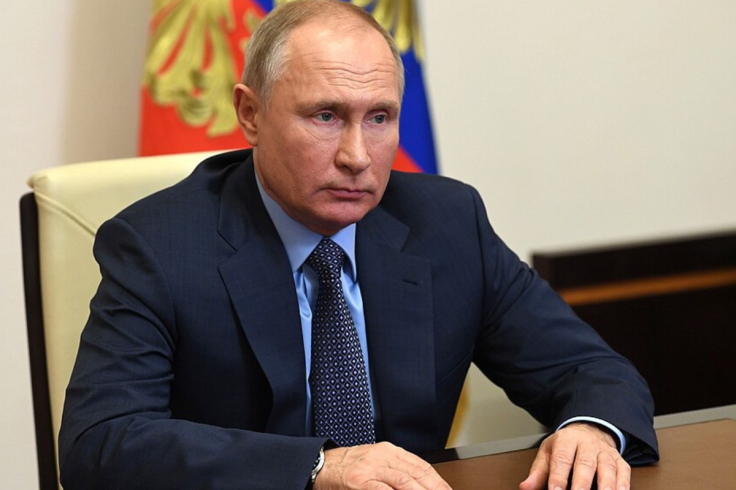
Fuel queues, rising prices and labour shortages are becoming increasingly familiar across parts of Russia, exposing the growing strain of an economy reshaped by more than four years of war in Ukraine. What was once presented by the Kremlin as proof of Russia's resilience is now placing growing pressure on households and businesses.
President Vladimir Putin has acknowledged fuel shortages in several regions after repeated Ukrainian drone strikes damaged oil refineries and energy infrastructure. Although the Kremlin has described the disruption as temporary, shortages and higher prices are becoming harder for many Russians to ignore. Reports of supply problems have added to wider concerns about the cost of living as the war continues.
For much of the conflict, Russia's wartime economy softened the impact of Western sanctions. Analysts now say the same model is creating new pressures for households and businesses.
Fuel Queues and Shortages
One of the clearest signs of mounting pressure has been the spread of fuel shortages across several Russian regions.
Long queues have formed at filling stations, while some areas have introduced fuel rationing after Ukrainian attacks disrupted refinery operations. Farmers have also warned that shortages could affect harvesting during one of the busiest periods of the agricultural calendar, raising concerns about wider economic disruption.
Motorists interviewed by Reuters described waiting longer to refuel as supplies ran low, saying queues at petrol stations had become increasingly common.
Despite Russia remaining one of the world's largest oil producers, repeated attacks on refining facilities have reduced domestic fuel supplies. The government has responded by considering emergency measures, including redirecting supplies and exploring fuel imports to stabilise the market.
Although the fighting remains in Ukraine, its economic effects are becoming increasingly visible in the daily lives of ordinary Russians.
Inflation Starts to Bite
The economic strain extends well beyond fuel.
Military spending has kept defence factories busy and unemployment relatively low, but it has also fuelled inflation, higher borrowing costs and persistent labour shortages. As more resources are directed towards the war effort, businesses outside the defence sector are finding it harder to recruit workers and manage rising operating costs.
A June survey by the independent Levada Center found fewer Russians believed the country was moving in the right direction, while Putin's approval rating also edged lower.
Economists say military industries have expanded, but many households are paying more for everyday essentials, widening the gap between the Kremlin's message of resilience and daily reality.
Why Analysts Are Watching
Public criticism of the war remains heavily restricted in Russia, making organised protests relatively uncommon. Even so, analysts say frustration can increasingly be seen in discussions about fuel supplies, household budgets and the rising cost of everyday life rather than in open political opposition.
They caution that economic frustration does not automatically translate into declining support for Putin or the war. However, history shows that prolonged pressure on living standards can gradually weaken public confidence in a government's ability to deliver stability, a key part of Putin's political appeal for more than two decades.
Russia's wartime economy continues to support military operations, but fuel shortages, inflation and rising living costs are becoming harder for ordinary Russians to ignore. Analysts say that if those pressures continue, sustaining public confidence could become an increasingly difficult challenge for the Kremlin.
© Copyright IBTimes 2026. All rights reserved.