

Vanessa Guillén Wasn't Alone: New Investigation Reveals Dozens of US Army Women Were Killed by Fellow Soldiers
Exploring the systemic issues leading to violence and harassment against women in the military.
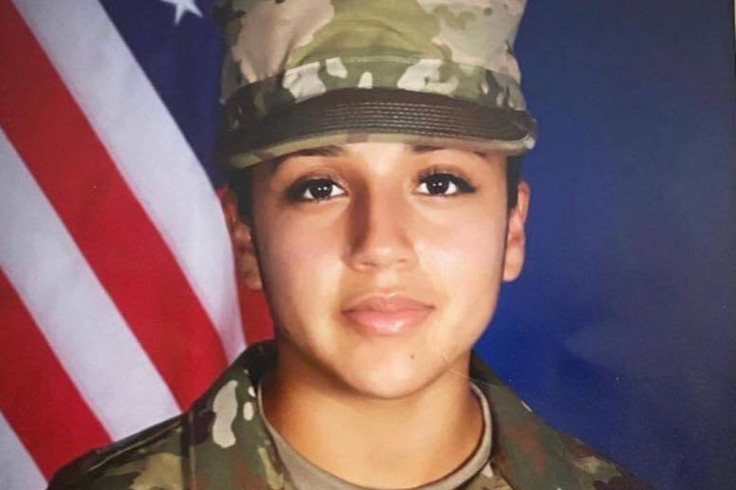
Vanessa Guillén's death was not only a tragedy; it exposed deep concerns about military culture and the safety of women serving in the US Army. The 20-year-old soldier was murdered by fellow soldier Aaron Robinson at Fort Hood in Texas in 2020, prompting widespread calls for reform after allegations that she had experienced sexual harassment before her death.
More than five years later, a new investigation by The Intercept suggests Guillén's case was far from isolated, raising fresh questions about the risks faced by women serving alongside their fellow soldiers.
Women Killed by Fellow Soldiers
According to the investigation, at least 41 female US Army soldiers were killed by fellow service members or veterans between 2011 and August 2025.
Among the cases highlighted is that of Hannah Gunterman McKinney, who was killed in Iraq after being struck by a Humvee driven by decorated Sergeant Damon Shell. According to reports, he was later charged with killing McKinney as well as drink-driving.
Another case involved 23-year-old Sarah Roque, whose body was found inside a rubbish bin after she was allegedly shot in the head by fellow soldier Wooster Rancy.
Speaking after her daughter's death, Sarah's mother, Ana, said there was no known relationship between the pair.
'There was no connection between Sarah and Rancy. They never spoke, never texted, and their paths never crossed,' she said.
Although prosecutors pursued the case, Ana said she was frustrated that the motive was never fully established.
'I can't complain about the prosecutors; they did their job. But my grievance is that they didn't push to uncover the truth behind why he did it.'
Violence Beyond Intimate Relationships
Research has consistently found that many female homicide victims are killed by current or former intimate partners. However, several of the military cases highlighted in the investigation did not involve romantic relationships, suggesting that women in uniform can also face deadly violence from colleagues with whom they have no personal connection.
Guillén's murder prompted reforms intended to improve how the military handles reports of sexual harassment and assault. However, advocates argue that women continue to face significant risks within the ranks.
An Army spokesperson revealed that 'the Army has several programmes and policies to protect service members who experience sexual assault or domestic violence.'
Sexual Harassment and Mental Health
Beyond homicide, women serving in the military continue to report high levels of sexual harassment, assault and abuse, experiences that researchers say can have lasting consequences for their mental health.
One survivor, Specialist Mayra Diaz, said she was nearly murdered by Sergeant Greville Clarke, who allegedly waterboarded her, threatened to rape her and pointed a pistol at her head.
Diaz said military leaders failed to protect women despite previous warning signs.
'Because the Army took no action to address the string of female soldiers attacked in their barracks, Sergeant Clarke was empowered to continue preying on the female soldiers at Fort Hood, including me,' she said.
Josh Connolly, Senior Vice President of advocacy organisation Protect Our Defenders, said the connection between military sexual trauma and suicide is well established.
'There's a huge correlation between sexual assault and suicide rates,' he told The Intercept. 'It's unambiguous — sexual assault rates are higher than in the civilian world.'
One in Four Women Report Sexual Assault
Research by Brown University's Costs of War project found that one in four women serving in the US military experienced sexual assault between 2001 and 2023. Studies have also linked military sexual trauma to higher rates of depression, post-traumatic stress disorder, self-harm and suicide among veterans.
Despite reforms introduced following Guillén's death, campaigners argue that more needs to be done to protect women serving in the armed forces and to hold perpetrators accountable.
For many families, including Guillén's, the changes have not come quickly enough. The latest investigation suggests that while her death sparked national outrage, it was not an isolated tragedy but part of a wider pattern that continues to raise concerns about the safety of women serving in the US Army.
© Copyright IBTimes 2026. All rights reserved.