

Russia Hit by Fuel Shortages and Petrol Queues as Ukrainian Drones Cripple Refineries
Widespread fuel shortages and rationing hit Russia as Ukrainian drone strikes target oil refineries.
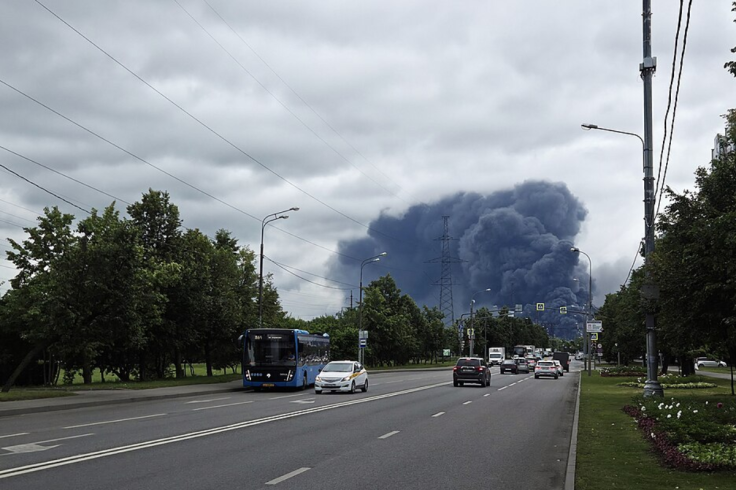
Russians are queuing for hours at petrol stations and facing fuel rationing as Ukrainian drone strikes continue to knock out oil refineries across the country. The disruption now stretches from Crimea to Siberia, with nearly all of Russia's 83 regions reporting some form of shortage.
The crisis has built up over months of sustained Ukrainian attacks, with refineries hit more than once in several regions before repairs could be completed. Officials in some areas have moved from rationing to outright emergency measures as the shortages have spread.
Refineries Struck Across the Country
Facilities including Norsi, Ufa, Moscow's Kapotnya plant, Syzran and Tuapse have all been struck multiple times since the spring, with the most recent attack hitting the Omsk refinery, Russia's largest, this week. Governor Vitaly Khotsenko said the strike caused a fire but no casualties, adding that air defences destroyed most of the drones involved.
Ports used for oil exports have also been targeted, including Vysotsk, Ust-Luga and Novorossiysk, cutting into the volumes Russia can ship abroad as well as what it can refine at home. Some of these facilities have been hit more than once, with repair crews struggling to keep pace with the frequency of strikes.
To manage the shortfall, authorities have limited sales to around 20 to 30 litres per vehicle at many stations and banned the filling of jerry cans. Petrol and jet fuel exports have already been banned, and officials are now weighing a similar restriction on diesel, alongside a temporary loosening of fuel quality standards to stretch supplies further.
Putin Acknowledges the Crisis
President Vladimir Putin addressed the shortages directly, saying 'these attacks on our facilities certainly create problems, that is obvious', and adding 'we are currently seeing a certain shortage, though I would say it is not critical.'
He said repairs at refineries 'must be completed more quickly' and called for a faster build-up of air defence systems to protect energy infrastructure from further strikes.
Moscow has turned to imports to offset the domestic shortfall, shipping in tens of thousands of tonnes of petrol from India and reportedly planning further monthly imports.
Ukraine May Have Found Russia’s Achilles Heel 🇺🇦💥🇷🇺
— Jack Prandelli (@jackprandelli) July 8, 2026
Most areas of Russia are now facing some form of fuel restriction
That is a remarkable situation for one of the world’s largest oil producers
The reason is not a lack of crude
It is pressure on the system that turns crude… pic.twitter.com/dWCWzCdIWF
Regional States of Emergency
At least three regions, Irkutsk, Zabaykalsky Krai and Penza, have declared a state of heightened alert or emergency over the shortages, joining Crimea and Sevastopol, which imposed similar measures in June.
Ordinary drivers have borne the brunt of the disruption, with long queues becoming a common sight even in Moscow, and some stations running completely dry.
Economic Pressure Builds
Gasoline production has dropped by around a quarter compared with the same period last year, according to industry estimates. The Bank of Russia has flagged rising fuel prices as a driver of inflation, which climbed above the central bank's target in June.
The government has also lowered its economic growth forecast for the year, a sign the fuel crisis is now feeding into wider strain on Russia's finances.
The fuel crisis marks one of the most visible domestic consequences of the war for ordinary Russians, touching daily life in a way that battlefield news often does not. It also strikes at Russia's oil revenue, a key pillar of its war financing, meaning the economic and military dimensions of the conflict are increasingly intertwined for the Kremlin.
© Copyright IBTimes 2026. All rights reserved.