

Tech Giant Huawei Convicted of Conspiring to Steal Trade Secrets in US Federal Trial
Huawei's defence cited billions in licensing fees as it challenged prosecutors' case during the federal trial
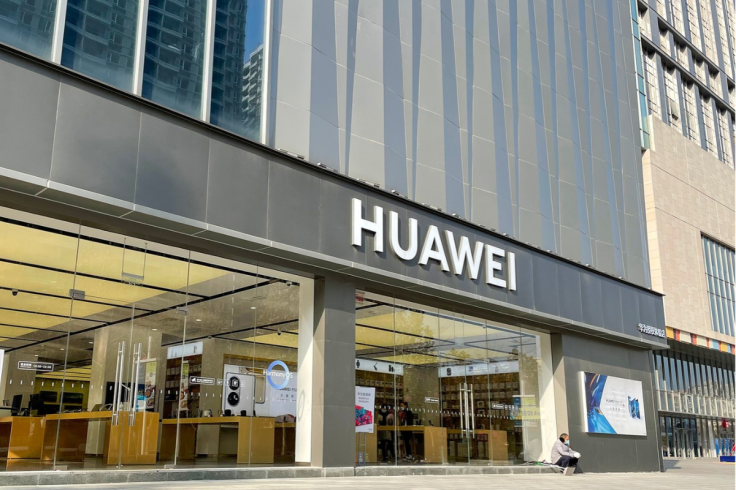
Chinese technology giant Huawei was found guilty of conspiring to steal trade secrets, violating US sanctions, and committing fraud on Tuesday, 24 November, following a three-month federal criminal trial in New York.
A federal jury returned guilty verdicts against Huawei and three of its subsidiaries on charges that included bank and wire fraud and conspiracy to commit money laundering, according to the US Department of Justice (DOJ). The verdict marks a turning point in the long-running US criminal case against Huawei, which was first made public in January 2019.
Huawei's Cases Involving US Companies and Iran
Federal prosecutors presented evidence of intellectual property theft involving several American technology companies, including Cisco and T-Mobile. According to the DOJ, Huawei copied source code used in Cisco routers, with engineers referring to the American company by spelling its name backwards in an apparent attempt to conceal the theft.
According to CNBC, Huawei employees also reportedly sent photographs and technical information about T-Mobile's touchscreen-testing robot to China. One employee subsequently removed a component from the American company's laboratory in a backpack, prosecutors said.
The DOJ also said that Huawei misrepresented its operations in Iran to banks to obtain billions of dollars in credit and loans, as well as access to US dollar-clearing services. Additionally, the department said the company supplied surveillance cameras that enabled Iranian authorities to monitor protests.
US Attorney General Todd Blanche accused Huawei and its subsidiaries of relying on deception and theft to conduct business in the US, saying, 'No person or company is above the law.'
Huawei Hits Back After Partial Acquittal
In a statement issued on Wednesday, 25 November, the company welcomed its acquittal on the racketeering conspiracy charge but disputed the guilty verdicts: 'We believe the government's remaining charges are equally without legal or factual merit.'
Huawei maintained that the five trade secret-related disputes cited by prosecutors had previously been resolved through civil proceedings. The company pledged to review the verdicts and pursue necessary legal action to protect its interests while maintaining uninterrupted business operations and continued investment in research and development.
Defence Challenges Prosecution's Case
During closing arguments, Huawei's defence lawyer, Brian Heberlig, argued that prosecutors had relied on 'innuendo and facts ripped out of context,' alongside testimony from disgruntled former employees.
'Huawei didn't steal its way to success,' Heberlig told jurors, arguing that much of the material prosecutors claimed had been stolen was already publicly available. 'You can't steal a secret that isn't a secret,' he said.
He highlighted Huawei's multibillion-dollar spending on licensing fees, saying 75% of those payments went to American companies. He maintained that employees found responsible for misconduct had faced disciplinary action or dismissal.
Heberlig said Cisco source code had been found in Huawei software more than two decades ago. He said Huawei responded by recalling affected routers from the US market, agreeing to replace the disputed code and establishing what he described as a 'compliance culture' that continues today.
Huawei Faces Financial Penalties
The company's criminal case became public in January 2019, a month after Huawei's chief financial officer, Meng Wanzhou, was arrested in Canada. Meng returned to China in September 2021 after entering into a deferred prosecution agreement with US prosecutors. The charges against her were subsequently dismissed.
According to the DOJ, Huawei and its subsidiaries face potential fines, forfeiture, and restitution at their 14 September 2027 sentencing.
© Copyright IBTimes 2026. All rights reserved.