ICE New York Operation Begins in Queens With Officials Warning of Collateral Arrests This Week
Fear alone could empty storefronts and keep immigrant workers home within days

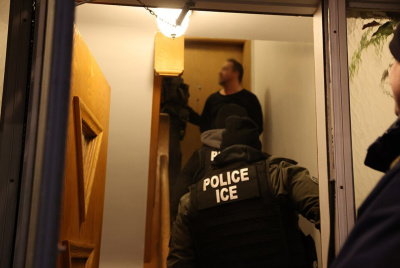
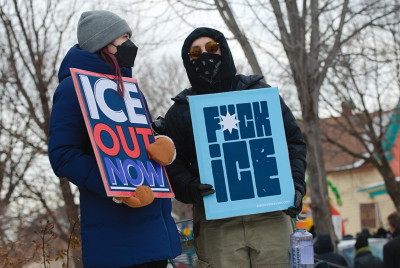
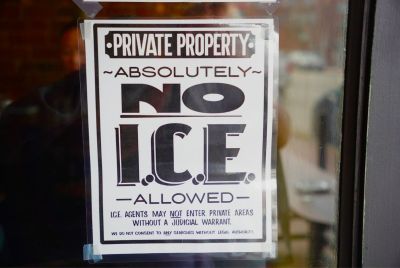
US Immigration and Customs Enforcement began a new operation in Queens on Monday, with officials warning the surge into New York City will produce collateral arrests, sweeping up bystanders and relatives who were never the intended targets.
The operation started in the borough and is expected to move into other parts of the metropolitan area from Tuesday, according to NewsNation, which first reported the deployment citing sources familiar with the plans. Officers already assigned to the New York field office are leading the effort, and no agents have been brought in from other cities so far.
What Collateral Arrests Mean for New Yorkers
Collateral arrests happen when officers arrive looking for a specific person and detain others at the scene. Because those swept up can include US citizens and legal residents questioned during a raid, the practice reaches far beyond ICE's stated targets. In one case last year, agents in Corona detained a construction worker on his way to work, later saying they had been looking for his neighbour.
The fear that follows is the immediate cost. When workers stay home and shoppers avoid the streets, storefronts empty and workers' wages shrink, hitting small businesses in immigrant neighbourhoods within days.
Why ICE Is Moving Now
The operation focuses on people released after local jails and prisons declined to honour ICE detainers, allowing them to return home rather than enter federal custody. New York's Protect Our Courts Act generally bars ICE from making civil immigration arrests as people travel to, attend, or leave state courthouses, pushing officers into neighbourhoods instead.
Border czar Tom Homan has tied the deployment to the state's sanctuary laws. 'We're going to send more ICE agents to New York because you took away the efficiencies of safer arrests at county jails,' he said in June. He has argued that when agents cannot reach a target inside a jail, they will find that person in the community, where others without legal status may also be arrested.
A Crackdown Hochul Warned Against
The surge lands days after the World Cup final at MetLife Stadium on 19 July, the event Governor Kathy Hochul had cited when she urged the administration to hold back. In June, she warned that public immigration arrests could bring the kind of chaos seen in Los Angeles and Minneapolis, damaging the economy and frightening immigrant communities.
'Not here, not New York, not ever,' Hochul said at a roundtable in Queens, adding that she had not requested federal help because she knew how disruptive it would be. Immigrant advocates have accused the administration of racial profiling and pushed state lawmakers to pass stronger protections.
How Far the Operation Could Reach
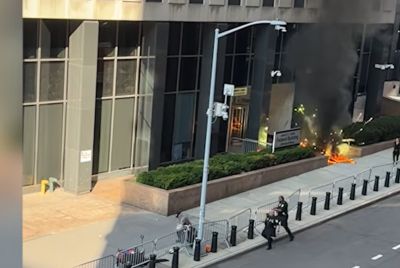
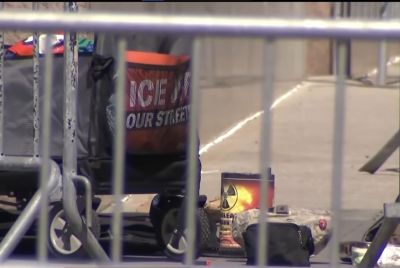
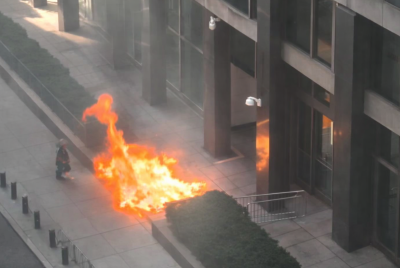
Homan has suggested the effort may run for more than a month, though he has not set a timeline or said how many officers are involved. The move follows an alleged attack on a Manhattan federal building housing ICE, the FBI, and an immigration court, which authorities have tied to a 43-year-old Army veteran. Homan said the operation was planned before that incident.
The scale of past collateral arrests points to what could come. ICE's own records, obtained through a Freedom of Information Act lawsuit, showed roughly 800 New Yorkers were detained as collateral between August and early March, most with no criminal history.
© Copyright IBTimes 2025. All rights reserved.
- Recommended For You