Iran Rejects Trump's Peace Announcement Hours After He Made It: 'Incomplete and Inconsistent With Reality'
Iran's media refutes Trump's claim of a negotiated peace deal, highlighting discrepancies in US-Iran negotiations.
Iran's state-affiliated media flatly rejected Donald Trump's claim that a peace deal ending the US-Iran war had been 'largely negotiated,' calling his announcement hours old and factually wrong.
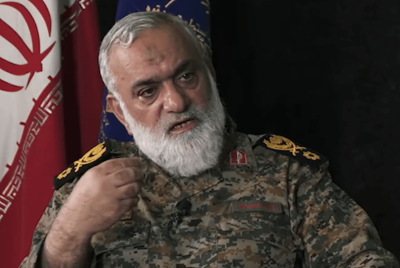
The rebuttal came via Fars news agency, which is affiliated with Iran's Islamic Revolutionary Guard Corps. The agency dismissed Trump's Truth Social post of 23 May 2026 as 'incomplete and inconsistent with reality,' and said the Strait of Hormuz would remain under Iranian control according to the latest text exchanged between the two countries.
The confrontation laid bare the gap between Washington's public framing of the negotiations and Tehran's own account of where talks actually stand, raising fresh questions about how close either side genuinely is to a lasting settlement.
Trump's Truth Social Post and What It Said
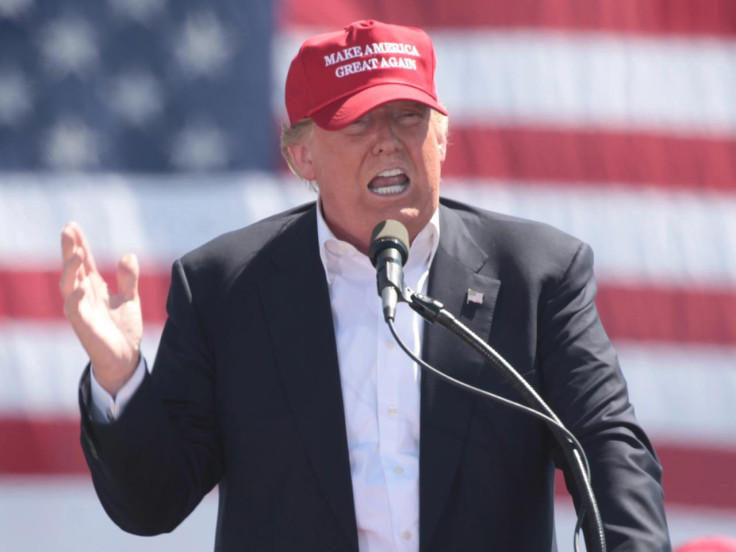
Writing on Truth Social on 23 May 2026, Trump declared: 'An Agreement has been largely negotiated, subject to finalization between the United States of America, the Islamic Republic of Iran, and the various other Countries.'
He said details were still being finalised and would be 'announced shortly,' adding that the agreement would include the reopening of the Strait of Hormuz, the strategic waterway Iran has kept under tight control since the war began on 28 February 2026.
Trump has a pattern of announcing progress in these negotiations that Tehran subsequently disputes. Since the fragile ceasefire of 8 April 2026, he has repeatedly suggested a deal was imminent, at one point calling the ceasefire 'on life support' after Iran's proposals failed to include nuclear concessions. The May announcement followed a White House Situation Room meeting, after which Trump said he would be making a 'final determination' on a possible agreement.
According to a source familiar with the matter cited by CNN, recent versions of a memorandum of understanding under discussion would end hostilities, gradually reopen the Strait of Hormuz, and lift the US naval blockade of Iranian ports. A 30-to-60-day window for continued negotiations on outstanding issues, including Iran's nuclear programme, was also reportedly included.
Tehran's Response: Baghaei on State Television and Fars on the Strait
Iran's Foreign Ministry spokesperson Esmail Baghaei addressed the announcement in remarks to state television, which were reported by Iranian state media Press TV. 'Tehran has said goodbye to the language of 'must' 47 years ago,' he said. 'None of the Western parties can use the language of 'must' when they talk about the Islamic Republic of Iran. We make our own decisions based on the interests and rights of the Iranian nation.'

Baghaei described the US naval blockade of Iranian ports as 'illegal from the start,' alleging it violated both the ceasefire that took effect on 8 April and international principles governing freedom of navigation. He said Tehran viewed some US actions as extended unilaterally beyond the ceasefire's terms. On the question of whether any US de-escalation would be meaningful, he was blunt: 'We have to see in practice whether they will actually follow through on their words or if this is just a propaganda claim.'
On the specific dispute over the Strait of Hormuz, Fars news agency reported that the latest exchanged text between the US and Iran stipulated that Iran would continue to manage the waterway. This directly contradicted Trump's post, which presented the strait's reopening as a settled term of the deal. Baghaei separately told reporters that any mechanism concerning the strait should be agreed between Iran, Oman, and the countries bordering it, and that the United States 'has nothing to do' with that arrangement, according to CNN's reporting of his remarks.
The Broader Standoff: A Conflict Three Months Old With No End Date
The US-Iran conflict began on 28 February 2026, when the United States and Israel launched attacks on Iran. A two-week ceasefire brokered through Pakistani mediation took effect on 8 April, following a series of escalating ultimatums from Trump and a last-minute suspension of planned strikes. The ceasefire has never been fully observed, with both sides accusing the other of violations.
The Strait of Hormuz, through which roughly one-fifth of global oil and gas exports passed during peacetime, has remained under varying degrees of Iranian control throughout the conflict. As of late May 2026, approximately 240 ships were reported waiting for Iranian permission to transit the strait, according to Fars, citing the IRGC Navy. The US naval blockade of Iranian ports was separate from the strait's status, adding a second layer to the maritime standoff.
Indirect talks between the two countries through mediators have continued, with discussions focused on ending hostilities and the question of Iran's nuclear programme. Tehran has consistently rejected what it describes as 'one-sided' US proposals, while Washington has set denuclearisation as a red line for any final agreement. As of 1 June 2026, no signed agreement existed, and the CBS News live updates tracker confirmed that Trump had yet to make a final determination on the deal he announced days earlier.
Across more than three months of war and a ceasefire that neither side appears fully committed to, the gap between what Trump announces and what Tehran acknowledges has become a story of its own.
© Copyright IBTimes 2026. All rights reserved.
- Recommended For You