Notre Dame Abuse Report Details Alleged 'Weighing Scheme' Targeting Male Students
Independent report reveals Notre Dame's failure to act on sexual misconduct allegations against former priest, prompting criticism and new measures.
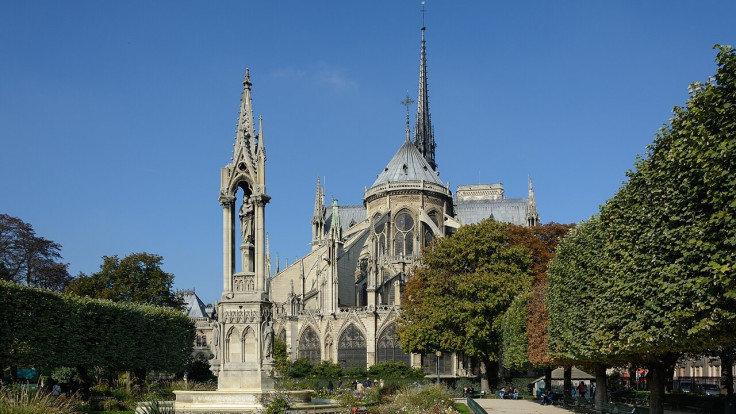
The University of Notre Dame is facing intense public scrutiny after an independent report accused the institution of failing to act on allegations of sexual misconduct involving a former priest who worked on campus for years.
The investigation, conducted by law firm Debevoise & Plimpton, centred on the actions of Rev. Thomas King, who served as a rector at Zahm Hall. The findings describe a coercive 'weighing scheme' allegedly used to target male students during the 1980s and 1990s.
This clergy sexual abuse investigation suggests that warnings regarding Father King were shared with university staff decades ago, yet systemic failure prevented meaningful intervention. The report also scrutinised the administration's handling of clergy sexual misconduct claims involving other priests, concluding that the institution should have responded with far greater urgency. These revelations have sparked widespread criticism and prompted the university to announce new safety measures for survivors.
Inside The Alleged Weighing Scheme
The 25-page report found that Father King used concerns about students' health to persuade male students to participate in what investigators described as a 'weighing scheme'.
According to the findings, he would express concern about a student's physical condition and insist that the student accompany him to a locker room for weighing.
'Once in the locker room, he would direct students to undress fully before they stepped onto a scale,' the report stated. It added that 'multiple individuals, some of whom were weighed, were sexually touched or assaulted by Fr. King, both at Notre Dame and after he left.'
Investigators identified at least 15 cases connected to the alleged scheme across Notre Dame and nearby Holy Cross College. Father King left Notre Dame in 1997 and moved to Holy Cross College, which at the time served as a feeder institution to the university. The report said he remained there for roughly a decade and held considerable influence because he played a key role in recommending students for transfer to Notre Dame.
The investigation concluded that the university should have done more in response to allegations surrounding Father King. Witnesses told investigators that complaints about his behaviour had been raised with university employees as far back as the 1990s. However, when the law firm interviewed staff members from two departments believed to have received complaints, none could recall receiving any.
In some cases, the report found that employees who heard concerns about the weighing incidents failed to recognise their sexual implications. Investigators also sought an interview with Father King through his attorney, but the request was declined.
The report noted that complaints concerning Father King continued to emerge even after he had left Notre Dame. Beyond his roles at Notre Dame and Holy Cross College, he also served at parishes near Lakeville, Indiana, and Niles, Michigan. Following complaints connected to those assignments, he entered a senior home for priests within the Order of the Holy Cross, according to the report.
Pattern Of Misconduct And Institutional Oversight
The findings also explored Notre Dame's broader handling of allegations involving clergy members. Investigators pointed out that the allegations against Father King were not the first time the university had been forced to address claims of sexual abuse involving priests.
One case detailed in the report involved Rev. David Porterfield, who served as rector of Sorin Hall. According to investigators, Father Porterfield resigned in 1983 after Notre Dame learned of a complaint against him. However, he was later rehired, a decision that drew criticism in the report.
The investigation said Notre Dame continued to allow Porterfield access to the university community in various roles. After returning, he served as an assistant rector at Grace Hall and as an assistant director of admissions. Following another complaint, he entered an alcohol treatment programme but later returned to the South Bend area, where he worked in parish roles and eventually became a substance abuse counsellor. Porterfield died last year.
The allegations against Father King became public after a group of former students from Notre Dame and Holy Cross College came forward with complaints. Among them was David Tybor, now a professor at Tufts University and a 1998 Notre Dame graduate.
Speaking after the report's release, Tybor said he remained unconvinced that it provided enough answers.
'I think the report raises as many questions as it answers,' he said. 'And I think this is not the first situation like this at Notre Dame. These are the same things they said 25 years ago in other situations where they said it's never going to happen again.'
The Path To Accountability
In response to the findings, Notre Dame President Rev. Robert A. Dowd said the university was 'deeply disturbed' by what the investigation uncovered. He thanked those who came forward to 'share their painful stories' and announced that Notre Dame had established a counselling support programme for former students who experienced sexual abuse.
The university also said it was creating a new process to ensure information about misconduct allegations involving priests, including former employees, would be shared more quickly. In addition, the report stated that allegations involving Father King have been referred to state and local law enforcement authorities in Indiana.
The findings arrive nearly 25 years after widespread reports of clergy sexual abuse first gained national attention in the United States. While Notre Dame has assured changes in response to the report, questions remain about how earlier complaints were handled and whether warning signs were missed for years.
The university has pledged to improve its student safety protocols and reporting processes, while survivors remain focused on the long-term failure to protect vulnerable students from predatory behaviour.
© Copyright IBTimes 2026. All rights reserved.
- Recommended For You