

Justin Timberlake Claims 'World Tour' Arrest Video Would Ruin Reputation, Files Legal Motion To Block Release
The singer seeks to protect his privacy and career from potential harm.
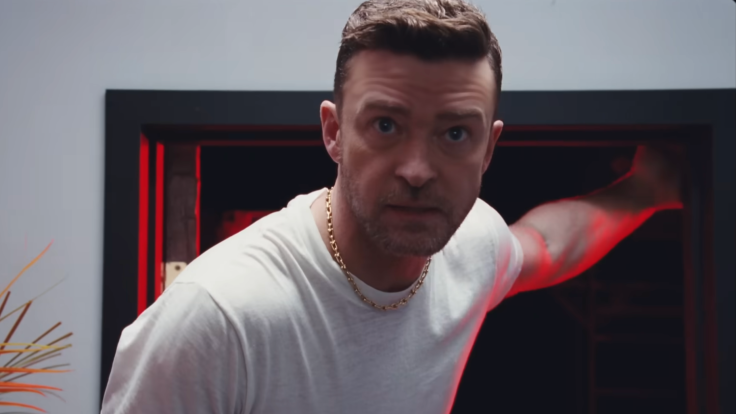
Justin Timberlake is mounting a high-stakes legal fight to stop the release of police body‑cam footage from his 2024 drink‑driving arrest, warning that making the video public would cause 'severe and irreparable harm' to his reputation and career.
The 45‑year‑old singer and actor filed a petition in the Suffolk County Supreme Court on 2 March 2026 seeking an order to block or heavily restrict public access to the recording, which was captured during his June 2024 arrest in Sag Harbor, New York. Timberlake's legal team argues that the footage would expose deeply personal and private moments that carry no legitimate public interest and could subject him to ridicule and harassment.
The legal challenge comes nearly two years after the incident itself, underscoring how long the consequences of a single night can shadow a public figure long after the headlines fade.
Legal Petition Cites Privacy And Professional Harm
In court documents filed in late February and lodged on 2 March 2026, Timberlake's attorneys, including Edward Burke Jr. and Michael J. Del Piano, urged the judge to issue an emergency stay preventing release of the body‑cam footage under New York's Freedom of Information Law (FOIL). They argue that the recordings, which reportedly span several hours, contain 'intimate, highly personal, and sensitive details' about Timberlake that are unrelated to governmental transparency or public interest.
The legal filing emphasises that public release of the video's contents would not inform the public about governmental operations but would instead serve primarily to invade the star's privacy and cause 'unwarranted embarrassment'. Timberlake's team is seeking either a full prohibition on disclosure or, alternatively, advance access to review and propose redactions before any potential release.
The petition asserts that making the footage public would allow viewers to see details of the interior of his vehicle, interactions with officers, and other moments not relevant to the court's understanding of the arrest itself. The filing states that disclosure could expose private information about Timberlake and his family.
A judge has not yet ruled on the request, and initial discussions between lawyers for both sides are ongoing.
BREAKING: Drunk driver Justin Timberlake has filed emergency court documents to block the release of 8 hours of body camera footage during his DUI arrest. This is going to ruin the tour! pic.twitter.com/XRTb5HF3OJ
— Britney Stan 🌹 (@BritneyTheStan) March 3, 2026
Background: The 2024 Arrest And Plea Deal
The controversy stems from 18 June 2024, when Timberlake was stopped by police in Sag Harbor after he allegedly failed to stop at a stop sign and drifted out of his lane while driving a BMW. Officers determined there were signs of alcohol influence, including bloodshot and glassy eyes, according to court records.
Timberlake told police he had 'one martini' and was following friends when he was pulled over, and he refused a chemical test at the scene.
In September 2024, he accepted a plea deal reducing the original DWI (driving while intoxicated) charge to the lesser offence of driving while ability impaired, a non‑criminal violation under New York law. As part of the agreement, he was fined £375 ($500) and a £200 ($260) surcharge, ordered to complete 25 hours of community service, and had his driver's licence suspended for 90 days. He was also instructed to deliver a public safety message about the dangers of impaired driving.
At that court appearance, Timberlake acknowledged the incident as a mistake and urged others to make safer choices. He said: 'Even if you've had one drink, don't get behind the wheel of a car... This is a mistake that I made, but I'm hoping that whoever is watching and listening right now can learn from this mistake. I know that I certainly have.'
That statement, made in September 2024, continues to circulate widely in media coverage and online discussion. Official video from that moment may already be public through various news outlets, but the more detailed arrest footage remains at the heart of this new legal fight.
Freedom Of Information Law And Public Access Debate
In New York, police body‑cam footage is generally subject to disclosure under FOIL once a request is made, subject to redaction for privacy and safety concerns. However, courts can weigh a petitioner's privacy interests against public benefit to decide whether recordings should be released.
Timberlake's lawyers argue that the footage has no meaningful value in informing the public about police conduct or government operations, because the encounter has already been adjudicated and resolved through his guilty plea. Instead, they say release would serve mainly to embarrass him and exacerbate reputational harm.
Opposing counsel, including representatives for the Village of Sag Harbor and its police department, have indicated a willingness to discuss potential terms and redactions. A representative for the local authority said they are 'trying to be as transparent as can be with this footage', noting that state law typically favours disclosure for public records absent strong reasons not to release them.
Industry And Public Reaction
The legal campaign has already sparked debate about celebrity privacy, public accountability, and the public's right to access official records. Some observers view the move as an attempt to control narrative and mitigate fallout ahead of Timberlake's professional endeavours, including touring and music releases. Others argue that once a matter enters the public domain, it should remain accessible to ensure transparency in law enforcement and equal accountability.
For Timberlake, a figure whose career spans decades and encompasses music, film, and television, the potential release of unfiltered footage from a vulnerable moment carries implications well beyond his legal case. His attorneys maintain that safeguarding his privacy is essential to protecting his ongoing work and personal dignity.
As this rare legal showdown unfolds in a New York state courtroom, the reverberations could extend into wider discussions about celebrity privacy, public records, and how modern transparency laws intersect with individual reputation.
© Copyright IBTimes 2026. All rights reserved.