

How Elon Musk's Quiet Visits to the Philippines Raise Questions Over Strict Foreign Land Ownership
The ambassador did not identify the islands or clarify whether Musk owns, leases or invests in the properties, while Philippine law restricts foreign land ownership
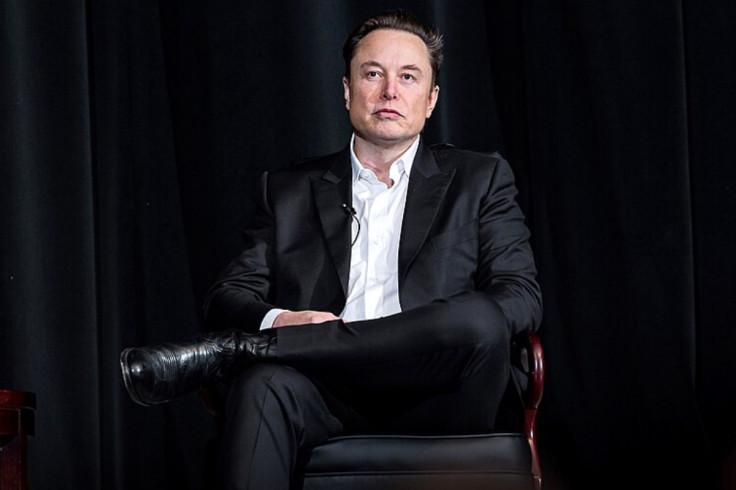
Elon Musk's reported island developments have raised questions about foreign land ownership in the Philippines after the country's ambassador to the US said the billionaire visits frequently.
Jose Manuel Romualdez made the remarks during an ANC interview on Thursday, 19 November. He said Musk landed in Manila at about 11.30am on Wednesday, 18 November, before boarding Air Force One to wait for US President Donald Trump. He then travelled with Trump to China for the APEC summit.
ABS-CBN News reported that Musk was part of the US business delegation during Trump's Manila visit.
'From what I'm told, Elon Musk comes here quietly very often because he has one or two islands, I'm told, that he's developing,' Romualdez told ANC. The ambassador did not name the islands or offer evidence for the claim.
Romualdez also said Musk 'loves the Philippines'. Neither Musk nor his companies have publicly confirmed the reported developments.
What Is Known About Musk's Reported Island Projects
Romualdez did not say whether Musk had bought, leased or invested in the properties. His remarks do not establish that the billionaire owns any Philippine islands.
Article XII, Section 7 of the 1987 Philippine Constitution generally bars the transfer of private land to anyone not qualified to hold lands of the public domain. This means foreign nationals cannot directly own private land, except in cases such as hereditary succession.
Former natural-born Filipino citizens may acquire private land, subject to limits set by law. Foreigners may lease property, while corporations that are at least 60 per cent Filipino-owned may acquire private land.
Musk has a business link to the country through Starlink, SpaceX's satellite internet service, although nothing links the service to the reported island developments.
President Ferdinand Marcos Jr. said on 20 November that the Philippines was in talks with SpaceX about becoming a rocket launch site, naming Cagayan as a possible location.
Pax Silica Project Raises Separate Land Rights Concerns
Romualdez made his comments while discussing the proposed Pax Silica agreement between Manila and Washington. The Philippines joined the US-led initiative in April 2026 and agreed to host a proposed 1,618-hectare hub in Capas, Tarlac, mainly for mineral processing and semiconductor manufacturing.
Romualdez rejected claims that the government was 'selling out' the country. He called the process transparent, adding there was 'no real immediate rush' to finalise it. The framework agreement remained unsigned as of 22 November.
He also denied that the hub would host data centres. Officials describe it as a manufacturing hub for critical minerals and semiconductors.
Human Rights Watch raised concerns in a 16 November news release, warning that the project could displace Indigenous Aeta communities and farmers in Capas. It said the government would provide the land, while investors, including US firms, would fund the facilities.
According to the group, the Aeta Hungey community in Sapang Kawayan has sought recognition of its ancestral domain since 1994 and refiled its claim in 1999, but has yet to receive a title. Community chieftain Petronila Capiz-Muñoz said officials had told residents they would be relocated by December.
The group added that the Bases Conversion and Development Authority appeared not to have obtained the community's free, prior and informed consent.
Farmers in Sitio Binyayan have reportedly rejected an offer of 300,000 pesos per hectare for their land, fearing the loss of their livelihoods. None of the claims has been tested in court.
© Copyright IBTimes 2026. All rights reserved.