'Gave Little Regard': Police Dismissed Blood Evidence as a Nosebleed in Nancy Guthrie Abduction
Detectives initially underestimated blood evidence in the ongoing Nancy Guthrie disappearance case, raising questions about the investigation's early stages.
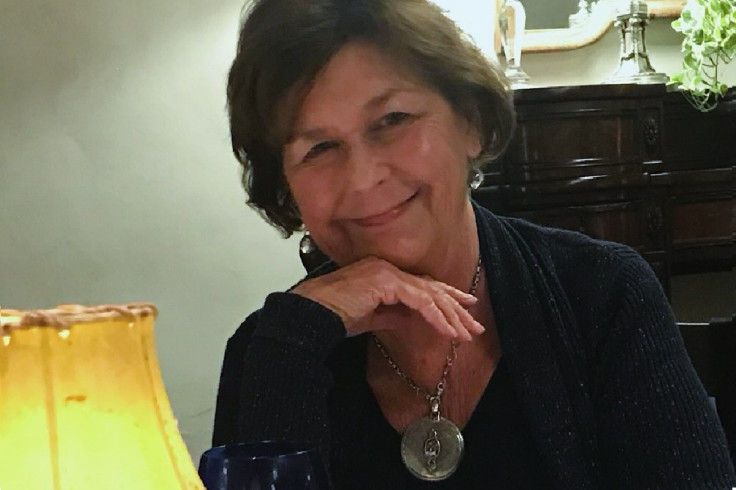
The blood discovered on the front porch of Nancy Guthrie's Tucson home was initially treated as a minor finding by investigators before forensic testing later confirmed it belonged to the missing 84-year-old, according to a new report that raises fresh questions about the early stages of the investigation.
The claim, published by The Wall Street Journal and attributed to sources familiar with the investigation inside the Pima County Sheriff's Office, suggests detectives initially gave the blood 'little regard' believing it may have resulted from something relatively routine, such as a nosebleed or a minor head injury.
If accurate, the report offers new insight into how one of the case's most significant pieces of physical evidence was initially assessed before becoming central to the investigation into Guthrie's disappearance.
The sheriff's office has not publicly confirmed or commented on the report's characterisation of how the evidence was handled.
Nancy Guthrie Disappearance Timeline
Nancy Guthrie was last seen on the evening of 31 January after family members dropped her off at her home in the Catalina Foothills near Tucson, Arizona.
When relatives were unable to contact her the following day, she was reported missing.
When relatives were unable to contact her the following day, she was reported missing.
Investigators have since said they believe Guthrie was abducted during the early hours of 1 February.
Pima County Sheriff Chris Nanos has repeatedly described the case as one in which 'someone's life' was believed to be in immediate danger, prompting authorities to treat the disappearance as a criminal investigation rather than a routine missing-person case.
Over the past six months, detectives have collected forensic evidence, analysed surveillance footage, interviewed witnesses and worked alongside the FBI as the investigation has expanded.
Despite those efforts, no suspect has been publicly identified.
Report Says Blood Was Initially Viewed as Minor
According to The Wall Street Journal, homicide detectives led by Sgt David Stivers initially did not view the blood found on Guthrie's front porch as particularly significant.
Sources cited by the newspaper said investigators believed the small amount of blood could have resulted from an everyday incident, including a nosebleed or someone bumping their head.
The blood was nevertheless collected as part of the crime scene examination.
Subsequent forensic testing reportedly confirmed that it belonged to Guthrie.
That finding transformed what may initially have appeared to be a minor detail into one of the strongest publicly known pieces of physical evidence connected to her disappearance.
The report does not suggest investigators failed to collect the evidence, only that its potential significance may not have been fully recognised at the outset.
The Pima County Sheriff's Department has not addressed that specific allegation publicly.
Officials have consistently stated that Guthrie's home was processed as a crime scene and that detectives collected fingerprints, DNA evidence, surveillance footage and other forensic material for laboratory analysis.
During a February media briefing, Sheriff Nanos said investigators had identified 'concerns' at the residence early in the investigation and were pursuing multiple leads based on evidence recovered from the property.
Ransom Notes Add Another Layer to Investigation
The investigation has also focused on two ransom messages authorities believe may have been sent by the person responsible.
The first note, received by Tucson television station KOLD-TV on 2 February, claimed, 'We have your mother Nancy. She is safe but scared.'
The message demanded millions of dollars in Bitcoin.
A second note, sent several days later on 6 February, claimed Guthrie had died and stated she was 'buried in nature now.'
Investigators have not confirmed whether either message is genuine or whether the sender was directly involved in Guthrie's disappearance.
Instead, detectives have appealed to the public to focus on the language used in the communications.
According to the sheriff's office, investigators believe the messages contain distinctive vocabulary, phrasing and sentence structure that someone familiar with the writer may recognise.
Authorities continue to ask anyone who notices similarities between the letters and someone they know to contact investigators.
Savannah Guthrie Continues Public Appeal
The case has remained in the public eye largely because Guthrie's daughter, television journalist Savannah Guthrie, has continued making emotional appeals for information.
In recent social media posts, she described the family's 'hearts' as being 'in ruins' while asking the public to continue praying and sharing information about the investigation.
She also addressed the person responsible directly, urging them to reveal what happened.
'Do the right thing,' she said in a video appeal, asking anyone involved to tell investigators where her mother could be found.
In another post, Savannah criticised those treating the case primarily as online entertainment.
She wrote that people following the investigation solely 'for entertainment or for profit' were contributing to the family's suffering rather than helping bring answers.
Investigation Remains Active
Six months after Nancy Guthrie disappeared, investigators say the case remains active.
The FBI continues assisting with forensic analysis, digital evidence and interviews.
During an earlier briefing, FBI Special Agent John Edwards said federal investigators were 'doing everything in our power' to help locate Guthrie and determine what happened.
Authorities have also confirmed that DNA evidence, fingerprints, surveillance footage and other forensic material continue to undergo analysis.
The latest report adds another layer to an already complex investigation.
If the account published by The Wall Street Journal is accurate, it suggests investigators initially viewed one of the case's most significant pieces of forensic evidence as relatively routine before laboratory testing established its connection to Guthrie.
Whether that early assessment affected the course of the investigation remains unclear.
What is certain is that several key questions remain unanswered: no suspect has been publicly identified, Guthrie has not been found, and investigators have yet to explain who wrote the ransom notes or what ultimately happened after she disappeared from her Tucson home.
As the investigation moves into its seventh month, the blood evidence, ransom messages and continuing forensic work remain central to a case that authorities insist is far from over.
© Copyright IBTimes 2026. All rights reserved.
- Recommended For You