

NASA Leader Jared Isaacman Ignored Direct FAA 'Too Dangerous' Warnings To Fly His Vintage Jet Over Crowded DC Air Show
NASA's Independence Day flyover raises questions about FAA safety decisions and public aircraft status.
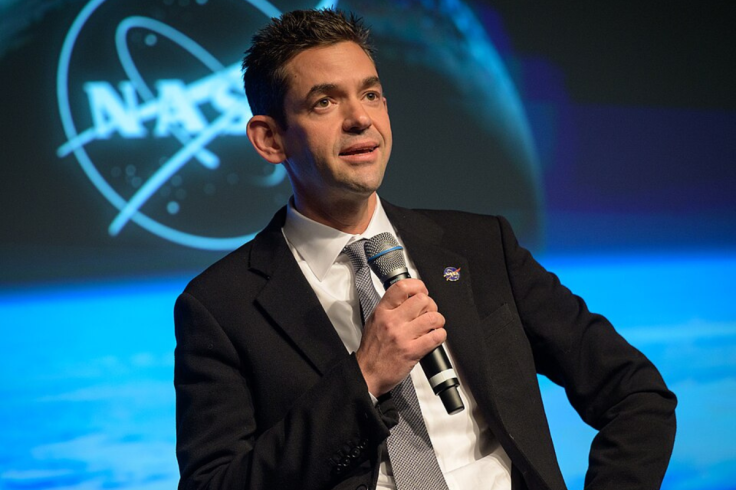
NASA Administrator Jared Isaacman flew a privately owned Northrop F-5 Tiger II over the National Mall on 4 July after the Federal Aviation Administration rejected a request to authorise four of the jets for the Freedom 250 flyover.
The FAA's 30 June decision called the aircraft 'very high-risk' and identified potential danger to people and property on the ground. The flight nevertheless went ahead after Isaacman said the operation had been placed under NASA control and should be treated as a government operation, not a civil one.
The publicly available record establishes the safety refusal and the flight, but it does not settle whether the later classification met the legal test for a public aircraft operation.
FAA Safety Review Rejected Civil Request
The Journal's document-based account says an Isaacman representative petitioned the FAA in late June to permit four 1970s-built F-5s, with NASA and Air Force pilots, to join the anniversary air display.
It reported that Hugh Thomas, the senior official leading the FAA's Flight Standards Service, signed a six-page denial on 30 June. The account says the review examined the jets' flight controls, the consequences of a pilot ejection, and previous crashes.
For 250 years, America has inspired generations to dream bigger, aim higher, and explore farther.
— NASA Administrator Jared Isaacman (@NASAAdmin) July 5, 2026
Yesterday was a celebration of that enduring spirit and a reminder that our greatest adventures are still ahead.
Happy Independence Day, America. 🇺🇸 pic.twitter.com/Bm0QvLWvHR
The reported decision matters because the request concerned an operation above the National Mall, where a mechanical failure would have consequences well beyond the crew. The FAA spokeswoman told the Journal that the agency had conducted a standard safety review of 'privately owned, experimental aircraft' before they came under government ownership. The agency did not say that it had reversed its safety conclusion.
NASA had publicly advertised the Washington events in advance. The official Freedom 250 page listed 3-5 July activities at the Great American State Fair and a 4 July 'Salute to America' fireworks celebration, alongside a schedule of agency flyovers. NASA also identified the F-5 in a February image caption as Isaacman's personal aircraft.
Public Aircraft Status Became Regulatory Fault Line
Isaacman told the Journal that the flyover should never have been filed as a civil operation. He said the jets were already under NASA control, although the titles had not been transferred. The Journal reported that the FAA registry still listed Isaacman's company, JDI Holdings, as the owner of three of the four aircraft, with a separate entity owning the fourth. It also reported that invited government passengers did not fly.
That distinction is central, rather than semantic. Federal law defines a public aircraft to include an aircraft 'used only for the United States Government,' subject to statutory limits. An aircraft loses that status when it is used for commercial purposes or carries passengers who are not crew or qualified non-crewmembers, under 49 U.S.C. §40125. The statute does not make a recorded transfer of title the only possible route to federal public-aircraft status, but it does require the operation to meet the governing conditions.
The FAA's advisory circular on public aircraft operations says its purpose is to help determine whether government-owned or government-contracted aircraft operations are public or civil. It also says the circular is guidance, not a regulation, and does not alter the statutory requirements.
The materials reviewed do not include NASA's custody agreement, its risk acceptance, a mission order, or a formal FAA public-aircraft determination for the July flight. Those missing records prevent a definitive public conclusion about whether the reclassification was legally sufficient.
Official Event, Personal Aircraft
The 4 July appearance was not an unscheduled private stunt. NASA's Freedom 250 material presented the flyovers as part of a national anniversary programme, while the agency's separate Flight Inspiration guidance describes flyovers as straight, level passes of up to three F-5 aircraft and requires event applicants to provide an FAA contact. That guidance does not itself decide the legal status of this particular flight, and it does not explain the reported four-aircraft request.
Isaacman's aviation credentials are substantial. NASA's official biography says he has more than 8,000 flight hours, has flown at more than 100 airshows, and is qualified in the Northrop F-5 and T-38. Those credentials, however, do not answer the public-interest question raised by the FAA's decision: whether an agency head's personal jets can move from a rejected civil proposal to a government operation without release of the safety and custody documentation behind that change.
The Journal reported that Isaacman said FAA Administrator Bryan Bedford texted him before the flight to wish him well, while Transportation Secretary Sean Duffy backed the FAA's safety decision and did not intervene. Neither point demonstrates that FAA safety officials withdrew their objections. It instead illustrates the unresolved institutional split between a regulator's safety review and NASA's claimed authority to conduct a government operation.
The unresolved issue is whether a safety refusal for privately owned aircraft can be overtaken by reclassification as government business without transparent public documentation.
© Copyright IBTimes 2026. All rights reserved.