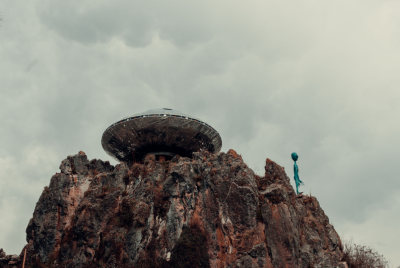
Trump Forms UFO Board to Investigate 'Mothership' Orb Threat Over Sensitive National Security Site
Trump's UFO board taps Avi Loeb as officials revisit unexplained orb reports near Cheyenne Mountain.

The White House has established a new UAP Governance Board to deal with unexplained sightings and encounters, with the panel meeting for the first time on Tuesday and Harvard astrophysicist Avi Loeb among its advisers. The move folds a long running fringe obsession into the machinery of government, and does it with a straight face.
The Trump administration has been leaning into the language of transparency on unidentified anomalous phenomena, or UAP, while building a separate science advisory council to sit alongside the new board. According to an official from the Office of the Director of National Intelligence, the mission is to serve as an 'interagency body' that can pull together the different powers of military, law enforcement, intelligence and civilian agencies. The same official said the aim is also to improve how UAP incidents are investigated and how data is collected and analysed.
That is the official line, at least. The practical version is rather more modest. The board will have no budget and only access to declassified information, which means it will not be peering into the deepest vaults of the state. Even so, it could still matter if only because the cases being discussed are the sort that have kept UFO circles buzzing for years, and not always in a useful way.
UFO Board Leans on Avi Loeb
Loeb, who has repeatedly pushed against scientific orthodoxy and public scepticism alike, has been tapped to lead the UAP Science Advisory Council, a smaller working group inside the new structure. He has also attracted headlines for suggesting that interstellar object 3I/Atlas could be something more than a rock drifting through space, even an alien ship. That claim did not exactly settle the matter, but it did remind everyone that Loeb is perfectly happy to ask awkward questions out loud.
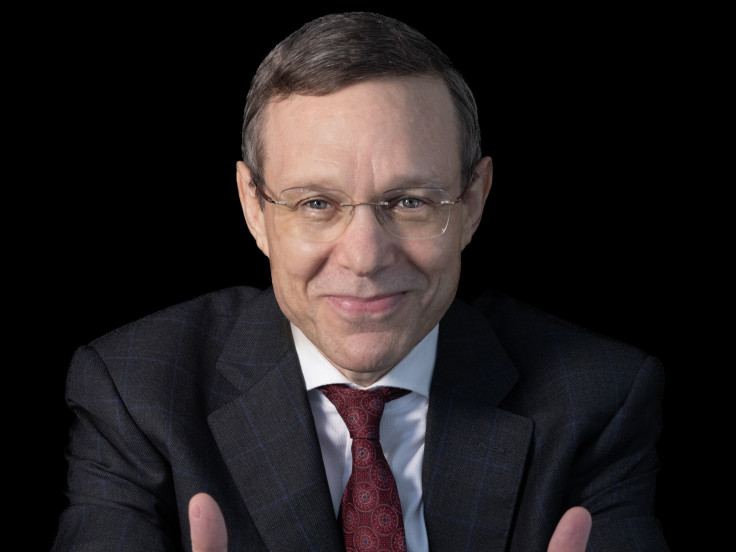
He said the government is 'not a scientific organization,' and argued that outside experts can help fill the gaps. The point, in his telling, is not to feed the public mood or chase the drama. It is to work from data, and to say plainly when the data are too thin to support a conclusion. In other words, less spectacle, more evidence. A rare thought in this corner of the internet, frankly.
Loeb also suggested the team should stay focused on the evidence rather than the noise around it, saying, 'keep our eyes on the orbs.' It is a line with just enough theatre in it to make the whole enterprise feel slightly mad, but that may be part of the appeal. The White House has, after all, put a serious-looking stamp on a subject that has spent decades living in the shadows of conspiracy and mockery.
The council's roster is a curious one. Loeb has assembled scientists and UFO watchers that include the sceptic Michael Shermer, Stanford's Dr Gary Nolan, SUNY Albany's Dr Kevin Knuth and Dr Matthew Szydagis. Retired Rear Admiral Gallaudet, a longstanding advocate of disclosure, is also on the board and said the government has been overdue in taking a scientific approach to the subject. He said he was pleased, and not surprised, that the executive branch is now moving in that direction.
UFO Board Eyes the Cheyenne Mountain Mystery
If the new board needs a test case, one already exists in the official retelling. Loeb pointed to a glowing 'mothership' orb that allegedly released smaller orbs in 2023 near Cheyenne Mountain in Colorado, close to a sensitive national security site. US government officials reportedly witnessed the incident, which has been one of the more stubborn entries in the UAP catalogue.
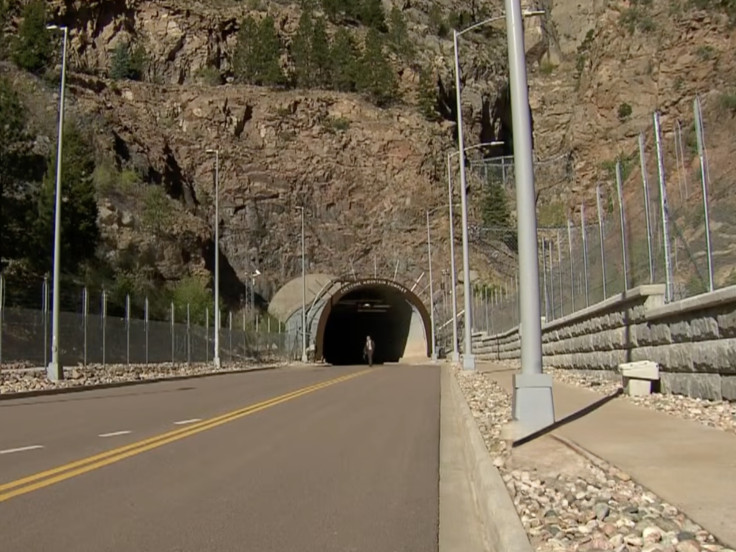
Loeb said the simplest explanation might be that the orbs were drones capable of producing smaller drones. He also said the Pentagon's All-domain Anomaly Resolution Office has said that 40 per cent of the observed phenomena cannot be explained by technologies the US has or believes adversaries possess. That is the sort of figure that will keep the subject alive, whether or not it survives contact with better data.
Still, Loeb insisted the board would not be built around public fascination. It would be built around the evidence available, and the possibility of collecting better evidence in future. Gallaudet, meanwhile, framed the whole thing as overdue, arguing that the government should finally treat UAP as a scientific problem rather than a punchline. That alone does not solve the mystery. It just means someone in Washington has decided to open the file again.
© Copyright IBTimes 2026. All rights reserved.
- Recommended For You