

Netanyahu Offers Rival First Turn as Israeli PM, Warns 'Hostile Forces Will Take Over' From Within
Israel's longest-serving prime minister offers to relinquish power temporarily as his rival moves closer to forming a government
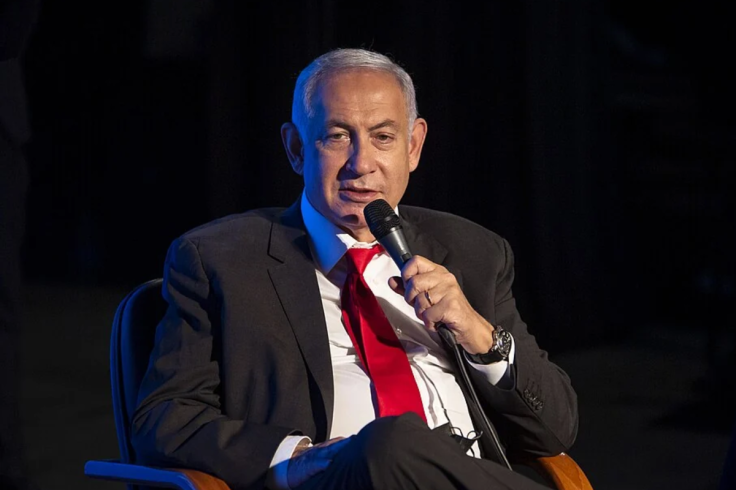
Israeli caretaker Prime Minister Benjamin Netanyahu offered Gadi Eisenkot the first turn as prime minister under a proposed unity government on Saturday, 28 November 2026. The rivals held two hours of talks at military headquarters in Tel Aviv on Sunday morning.
The concession followed Israel's inconclusive general election on 27 October, which left neither political bloc with a parliamentary majority. Eisenkot, a former Israeli military chief, has since advanced negotiations to form a government without Netanyahu.
Under the proposed rotation agreement, Eisenkot would serve as prime minister first, with Netanyahu initially becoming alternate prime minister. The Likud leader presented his compromise as necessary to address Israel's security challenges, although no agreement has been announced.
Benjamin Netanyahu Makes Major Concession as Coalition Deadline Approaches
The offer marks a departure from Netanyahu's previous negotiating position. Israel's longest-serving prime minister had maintained that he should lead a unity government or serve first under a rotation agreement.
President Isaac Herzog formally tasked Eisenkot, leader of the centrist Yashar party, with forming a government on 8 November.
According to the Central Elections Committee's official results, Netanyahu's outgoing coalition bloc secured 53 seats, while Eisenkot's four-party opposition bloc won 48.
Neither bloc independently secured the 61 seats required for a majority in the 120-member Knesset.
The Arab-led Joint List and United Arab List, commonly known as Ra'am, secured 11 and eight seats, respectively. Their combined parliamentary representation gives both parties considerable influence over government formation.
Herzog subsequently confirmed that 67 lawmakers had recommended Eisenkot to form a government, compared with 46 who backed Netanyahu. Seven lawmakers declined to recommend either candidate.
Eisenkot has since signed coalition agreements with Avigdor Liberman's right-wing Yisrael Beitenu party and Yair Golan's left-wing Democrats. Together with Yashar, the three parties hold 36 parliamentary seats.
However, Liberman and Golan have expressed opposition to a government involving Netanyahu, complicating efforts to establish a broader unity coalition.
Benjamin Netanyahu Faces Opposition Scepticism Over Unity Government Offer
Netanyahu justified his concession by questioning whether an alternative government could adequately confront Israel's security challenges.
He opposed the inclusion of Arab-led parties in the next government, making unsubstantiated allegations that their members supported terrorism.
However, Ra'am leader Mansour Abbas addressed one of Eisenkot's coalition conditions during a Channel 12 interview on Saturday.
Abbas affirmed that his party considers Hamas a terrorist organisation, citing proposed legislation that Ra'am had co-sponsored. His remarks addressed a significant obstacle to political cooperation, although they did not establish a formal coalition agreement.
Former prime minister Yair Lapid dismissed Netanyahu's proposal as a 'transparent con'. In contrast, former prime minister Naftali Bennett cautiously welcomed the concession while demanding evidence of Netanyahu's commitment to genuine negotiations.
Eisenkot said he would assess Likud's willingness to negotiate over the following 24 hours. He previously accused the party of failing to respond to a detailed proposal submitted through a confidential channel.
Likud, meanwhile, claimed Netanyahu had attempted to contact Eisenkot by telephone but received no response.
Eisenkot's initial mandate expires on 6 December. Under Israeli law, Herzog may grant an extension of up to 14 days. However, the Yashar leader has pledged to form a government within the original timeframe.
Should Eisenkot fail to assemble a coalition within the permitted period, Herzog could assign the responsibility to another lawmaker.
For now, negotiations remain unresolved. Netanyahu's offer provides a potential route to retaining a role in government, while Eisenkot continues seeking the parliamentary support necessary to establish a new administration.
© Copyright IBTimes 2026. All rights reserved.