Octopus Energy Solar Eclipse Warning Explains How Britain Could Lose up to 1.3 Gigawatts of Power
Octopus Energy asks eligible customers to shift electricity use as solar generation temporarily falls
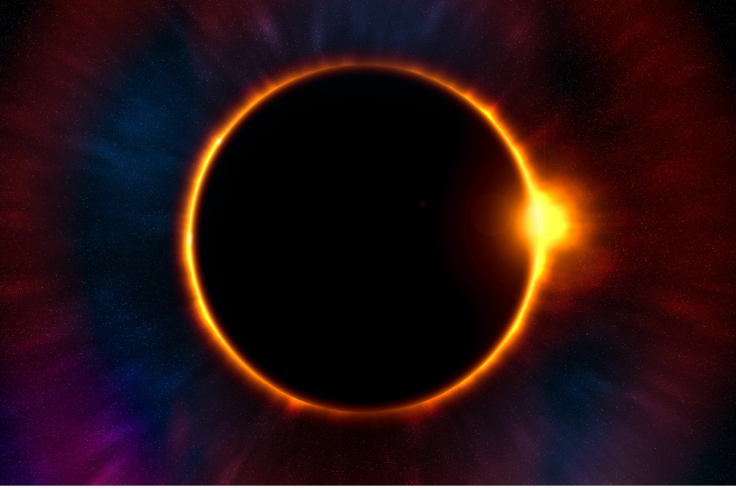
Octopus Energy has launched an 'Eclipse Power Down' session asking eligible customers to use less electricity between 6 p.m. and 8 p.m. on Wednesday 12 August, as the Moon obscures up to 95 per cent of the Sun in parts of Britain.
The company has encouraged households to move activities such as using washing machines and dishwashers outside that period. The timing matters because the resulting reduction in sunlight is expected to affect solar generation while electricity demand can begin increasing as people return home and start preparing meals.
Octopus Energy is a British clean energy supplier that also operates renewable generation and the Kraken energy management platform. The wider business is active in electric vehicles, heat pumps and energy technology.
Why Your Washing Machine Matters During the Eclipse
The main concern for the electricity system is the amount of solar generation that could temporarily fall during the eclipse. The National Energy System Operator has been preparing for the event for more than a year and expects the eclipse could reduce British solar generation by between 700 megawatts and 1.3 gigawatts.
The 1.3GW figure refers specifically to solar generation, rather than Britain losing 1.3GW of electricity from the grid. Other generation sources and imports remain available, while system operators can adjust supply and demand as conditions change.
The potential reduction is significant because solar power has become an increasingly important part of Britain's electricity mix. Solar generation accounted for 14.4 per cent of Britain's electricity in July, according to figures cited by Octopus Energy.
The amount of solar generation affected will vary across Britain, depending on how much of the Sun is obscured in different locations. Some parts of the country will experience near-total obscuration, while others will see a less dramatic reduction in sunlight.
How Households Can Help the Grid
The eclipse creates a temporary challenge because solar generation will fall while electricity demand can rise during the evening. Households returning home may be preparing meals, using appliances and carrying out other energy-intensive activities at the same time that solar output is declining.
Octopus Energy says shifting some electricity use outside the 6 p.m. to 8 p.m. period could reduce the need for additional gas-fired generation. The company's approach forms part of its wider focus on demand flexibility, with smart tariffs and energy programmes that encourage customers to change when they consume electricity in response to conditions across the energy system.
For the eclipse, delaying laundry, dishwashing and other non-essential activities can reduce demand during the affected period. While an individual household's contribution is small, the combined effect of many customers changing their consumption can help ease pressure on the system.
Eligible customers who participate in the 'Eclipse Power Down' session can receive a free hour of electricity as an incentive for taking part. The offer is available to customers on eligible Octopus Energy tariffs who have signed up to the company's demand flexibility schemes.
How NESO Has Prepared for This Moment
NESO has been preparing for the eclipse because of the potential change in solar generation. The event is also taking place in the evening, when electricity demand normally begins to increase, adding another layer of complexity for grid operators.
Hot weather could provide another factor for the electricity system if households use more fans and cooling equipment. The preparations do not indicate that a nationwide power outage has been announced, and operators are instead preparing to manage a temporary reduction in one source of electricity generation while demand potentially increases.
For participating Octopus customers, the request is to delay non-essential electricity use between 6 p.m. and 8 p.m. on Wednesday where possible. Customers who have signed up to the company's demand flexibility schemes will receive notifications about the session.
As the eclipse passes, solar generation will recover and the temporary reduction will ease. But the event offers a glimpse of a future where households are active participants in the grid, not just consumers, and where flexibility is as valuable as generation itself.
© Copyright IBTimes 2026. All rights reserved.
- Recommended For You