Suffolk Scrapped Climate Emergency Declaration Two Weeks Before 'Apocalyptic' Wildfire Hit
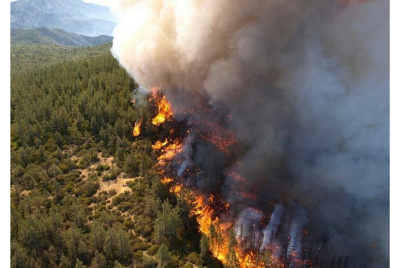
The wildfire razed about 150 hectares, roughly equal to 210 football pitches
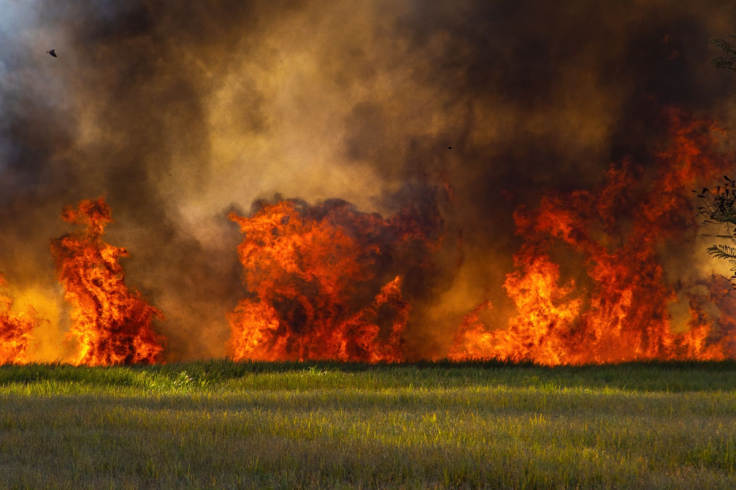
Suffolk County Council scrapped its climate emergency declaration less than two weeks before a major wildfire tore across Dunwich Heath, forcing evacuations and destroying nationally important wildlife habitat.
Councillors voted on 16 July to rescind the declaration originally adopted in 2019. Thirteen days later, a fast-moving fire erupted on the Suffolk coast amid drought conditions, spreading across approximately 150 hectares—an area equivalent to around 210 football pitches.
The timing has placed renewed attention on the Reform UK-led council's decision to reverse its previous climate position. However, there is no evidence that the policy change caused the fire, whose ignition remains under investigation.
What Did Suffolk County Council Scrap?
The council voted by 47 to 16 to withdraw its six-year-old climate emergency declaration following a contentious meeting attended by protesters.
The resolution also ordered references to a 'Climate Emergency' to be removed from council policies, strategies and communications where considered appropriate.
Councillors approved a comprehensive review of the authority's climate, environmental and net-zero programmes. Individual schemes could be continued, modified or scrapped depending on their environmental outcomes, cost, effectiveness and statutory requirements.
Councillor Morgan Brobyn, the cabinet member who presented the motion, argued that the decision did not represent a choice between caring and not caring about the environment.
He said the council wanted environmental stewardship to be practical, effective and focused on measurable outcomes. The administration also maintained that Suffolk still needed to prepare for flooding and extreme weather.
Opposition councillors described the withdrawal as a backward step. The Green group argued that the council should continue using its influence to encourage residents and businesses to reduce emissions.
Conservative councillors said previous environmental measures had reduced the authority's annual energy bills by £4.8 million.
Wildfire Erupts During Severe Drought
The Dunwich Heath wildfire began shortly after 5.30pm on 29 July and expanded rapidly during hot, dry and windy conditions.
Suffolk Fire and Rescue Service declared a major incident as more than 100 firefighters, specialist vehicles and a water-dropping helicopter were deployed. Changing winds made the direction of the blaze difficult to predict.
Residents, tourists and caravan owners were evacuated, while approximately 50 people received assistance at a rest centre in Westleton. Local families also opened their homes to people displaced by the fire.
The blaze was burning several miles from the Sizewell B nuclear power station and the Sizewell C construction site. Officials said neither facility was at risk, although the situation was being closely monitored.
Firefighters expected the emergency response to continue for at least another 48 hours.
Rare Wildlife Habitat Devastated
The fire spread through Dunwich Heath and affected areas close to the RSPB's Minsmere nature reserve, which contains rare coastal heathland and protected wildlife.
Adam Rowlands, the RSPB's area manager, described seeing a 20ft fireball move through the trees as birds attempted to escape. He called the scene 'apocalyptic', with an orange sky and smoke visible from miles away.
Species found in the affected habitat include nightjars, nightingales and Dartford warblers. Conservation groups said the full ecological impact would not be known until teams could safely inspect the burned land.
Did Climate Change Cause the Suffolk Fire?
Investigators have not announced how the wildfire started. Climate change cannot automatically be identified as the direct cause of an individual ignition.
However, scientists have repeatedly warned that prolonged heat and drought dry out vegetation, allowing fires to spread more rapidly and become harder to control once they begin.
East Anglia was officially in drought when the fire erupted, while Britain had already experienced several periods of extreme summer heat.
The council's decision did not create those immediate conditions. Nevertheless, a major wildfire striking the county 13 days after its climate emergency status was withdrawn has intensified questions about whether local authorities should be reducing their climate commitments while extreme-weather risks are increasing.
© Copyright IBTimes 2026. All rights reserved.
- Recommended For You