

Ohio Doctor Who Raped Best Friend's Pal in 1989 Ordered To Pay $98M After Dodging Rape Prosecution
An Ohio doctor has been ordered to pay $98 million in civil damages for a 1989 rape that could not be criminally prosecuted
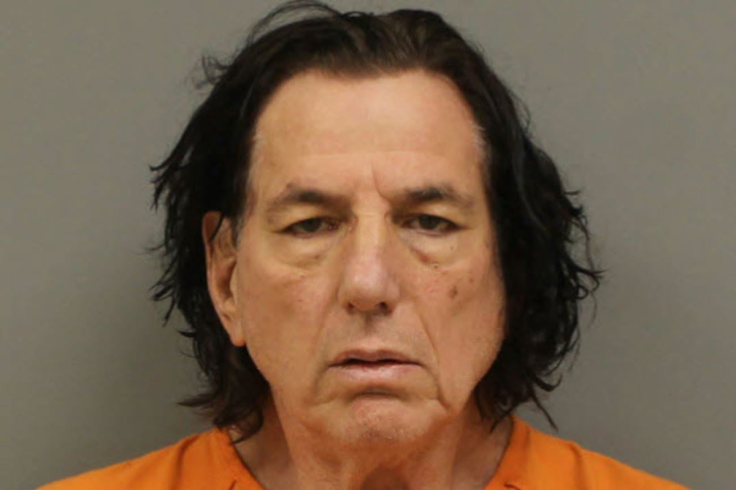
An Ohio doctor who admitted raping his wife's best friend in 1989 has been ordered to pay $98.25 million (€89.62 million and £75.01 million) in civil damages after the statutory deadline for criminal prosecution expired.
Hamilton County Court of Common Pleas Judge Christopher McDowell entered the judgment in favour of Dana Beatty on 19 November 2026, more than 37 years after she was sexually assaulted at her Cincinnati home.
Frederick Louis Tanzer, 68, is serving a 15-year federal prison sentence for lying to investigators about the rape rather than for the sexual assault itself.
Ohio Doctor Ordered to Pay Millions in Damages
Court records filed on 20 November show that McDowell awarded Beatty $48.25 million (€44.01 million and £36.84 million) in compensatory damages. A further $50 million (€45.61 million and £38.17 million) was awarded in punitive damages, intended to punish Tanzer's conduct and deter similar behaviour.
The judge described the punitive damages as 'warranted and constitutionally proportionate', citing the deliberate and violent nature of the attack.
Beatty and her husband filed a civil lawsuit against Tanzer in January 2025. McDowell found Tanzer liable in September 2026 before determining damages following a hearing on 17 November.
According to FOX19, Tanzer did not attend the hearing or formally answer the lawsuit. His request to delay the proceedings because of his imprisonment and financial circumstances was denied.
Despite the substantial judgment, Beatty's lawyer acknowledged that she was unlikely to recover anywhere near the full amount. The ruling nevertheless recognised the lasting psychological consequences of the assault and the suffering Beatty has endured over nearly four decades.
DNA Evidence Exposes Ohio Doctor Decades After Rape
Beatty was repeatedly raped by a masked attacker inside her Cincinnati home on 1 August 1989.
According to court findings, Tanzer left a note threatening to kill her if she contacted law enforcement. Despite the threat, Beatty reported the assault and continued cooperating with investigators.
The investigation gained renewed momentum in 2023 after her daughter contacted authorities about advances in DNA technology.
In 2024, investigators confirmed that Tanzer's DNA matched biological evidence recovered following the assault. The discovery exposed a disturbing personal connection: Tanzer had been married to Beatty's best friend at the time of the attack.
However, the six-year criminal prosecution deadline applicable to the rape had expired decades earlier. When questioned by investigators in 2024, Tanzer falsely denied interacting with Beatty on the day of the assault.
On 5 September 2025, he pleaded guilty to three counts of making false statements to federal agents. His plea documents also detailed his involvement in the rape. He received the maximum federal prison sentence of 15 years in January 2026.
Ohio Rape Case Highlights Gaps in Prosecution Laws
Ohio now generally allows 25 years for rape prosecutions, with exceptions permitting additional time following qualifying DNA matches. However, those legislative changes did not revive the expired criminal prosecution deadline in Beatty's case.
Prosecution deadlines for sexual offences vary considerably across the United States, leaving some survivors unable to pursue criminal charges even when advances in forensic technology establish their attackers' identities.
For Beatty, the civil judgment represents more than potential financial compensation. She has been campaigning for changes to Ohio's laws, hoping other sexual assault survivors will not face the same legal barriers that prevented prosecutors from bringing rape charges against her attacker.
© Copyright IBTimes 2026. All rights reserved.