

Pakistan Refuses UK Deportation of Child Rapist Shabir Ahmed – So Why Is the UK Giving Them £153 Million in Aid?
Pakistan has insisted child rapist Shabir Ahmed is Britain's responsibility
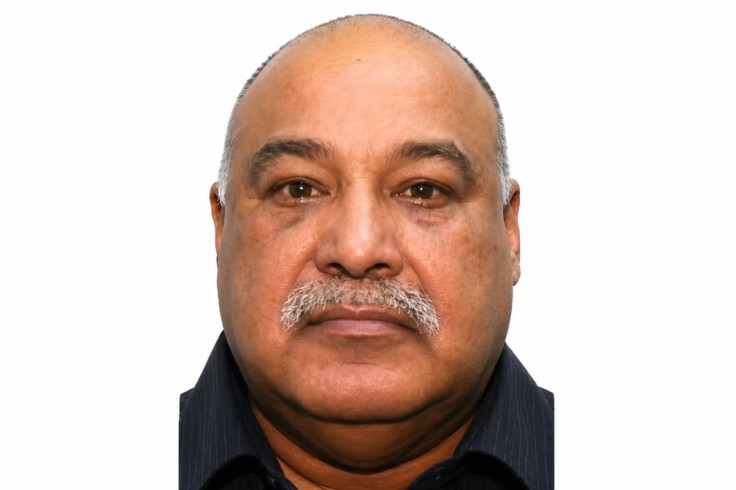
Pakistan has rejected the UK's efforts to deport convicted child rapist Shabir Ahmed, insisting he is Britain's responsibility despite being born in Pakistan, as the UK government confirmed a £153 million aid package for the country.
The row has intensified political debate over foreign aid, immigration and diplomatic relations, with opposition parties questioning why British taxpayers' money is continuing to flow while Ahmed remains in the UK.
Pakistan Rejects UK's Deportation Bid
Ahmed, 73, was released from prison earlier this month after serving 14 years of a 22-year sentence for leading one of the UK's most notorious child grooming gangs in Rochdale. He was convicted in 2012 for multiple child rape, trafficking and sexual exploitation offences involving vulnerable girls, some as young as 13.
The UK government has been seeking to deport him after stripping him of his British citizenship. However, Pakistan has refused to accept his return.
Responding to the dispute, Pakistan's Foreign Ministry spokesperson Tahir Andrabi said Ahmed had spent his entire adult life in Britain and committed his crimes there.
'The individual concerned is a British national who spent his entire adult life in the UK and was duly convicted by a British court,' Andrabi said.
He added that Ahmed was 'raised, groomed and unfortunately, spoilt' in Britain, arguing that the case was 'entirely an internal matter of the United Kingdom.'
Pakistani officials have also linked the dispute to broader diplomatic issues, reportedly seeking progress on longstanding extradition requests involving Pakistani political figures living in Britain.
£153m Aid Package Sparks Political Backlash
The deportation row has unfolded just as ministers signed off a £153 million UK aid package for Pakistan covering the next three years.
According to the Foreign Office, the funding will support education, healthcare, climate resilience and economic development projects designed to build 'a safer, more resilient Pakistan' while reducing migration and security risks affecting Britain.
Downing Street has stressed that the money does not go directly to Pakistan's government but is instead distributed through charities and development organisations operating in the country.
Nevertheless, the timing has prompted fierce criticism from opposition politicians.
Shadow Home Secretary Chris Philp argued that aid and visas should be suspended until Pakistan agrees to accept Ahmed and other convicted offenders.
Shadow Foreign Secretary Priti Patel questioned why ministers approved the funding while negotiations over Ahmed's removal remain unresolved, while Reform UK also called for overseas aid to Pakistan to be halted.
UK Considers New Pressure On Pakistan
According to reports, the Home Office says it is pursuing every available option to remove Ahmed from Britain.
Home Secretary Yvette Cooper has announced plans to amend immigration legislation that currently protects some long-term Commonwealth residents from deportation, arguing serious offenders should no longer benefit from those provisions.
The UK is also considering visa sanctions if Pakistan continues to reject Ahmed's return.
However, even if Parliament changes the law, deportation cannot proceed without Pakistan agreeing to receive him, turning the case into a wider diplomatic dispute between the two countries.
Hence, Ahmed remains under strict licence conditions, including GPS monitoring, while negotiations continue.
© Copyright IBTimes 2026. All rights reserved.