

UK Threatens Visa Ban After Pakistan Refuses to Accept the Deportation of Freed Child Sex Abuse Ringleader
Government explores legislative changes and diplomatic pressure to deport Rochdale grooming gang ringleader back to Pakistan.
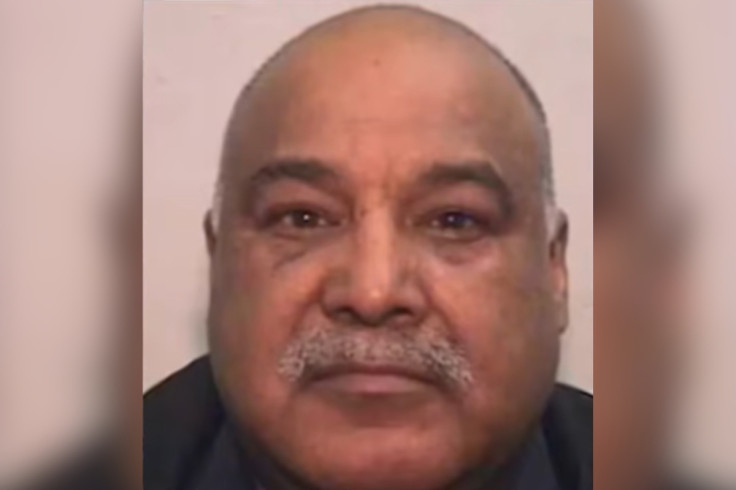
The UK government is considering visa restrictions against Pakistan after it indicated it would not accept the deportation of Shabir Ahmed, the convicted ringleader of the Rochdale grooming gang.
The move comes as ministers push to remove Ahmed from Britain following his release from prison earlier this month, although current immigration laws and Pakistan's position continue to stand in the way.
Ahmed was convicted in 2012 for multiple counts of rape and sexual offences against girls, some as young as 12, and was one of nine men found guilty over the Rochdale grooming gang scandal. Although he was stripped of his British citizenship after his conviction, legal protections dating back more than 50 years have so far prevented his deportation.
UK Looks to Close Deportation Loophole
Ahmed was jailed for 22 years and released on licence this month. Following his release, he was placed in 24-hour staffed accommodation and fitted with a GPS electronic monitoring tag. The government has said he will be returned to prison if he breaches any of the strict conditions attached to his licence.
The obstacle facing ministers is the Immigration Act 1971, which protects certain Commonwealth citizens who arrived in the UK before 1973 and lived in the country for at least five years from deportation.
Home Secretary Shabana Mahmood has proposed changing the legislation so foreign nationals convicted of serious offences can no longer rely on those protections. The amendment would align deportation rules more closely with the existing powers used to strip citizenship in serious criminal cases.
Mahmood has argued that legislation intended to protect long-term residents should not prevent the removal of offenders such as Ahmed.
Even if Parliament approves the proposed changes, however, the government has acknowledged that deportation cannot happen unless Pakistan agrees to receive him.
Visa Restrictions Could Be Used to Pressure Pakistan
Pakistan's Ministry of Foreign Affairs has maintained that Ahmed's case is Britain's responsibility. Spokesman Tahir Andrabi said Ahmed spent virtually his entire adult life in the UK, committed his crimes on British soil and should therefore be dealt with under British law. He also said Pakistan had 'no connection whatsoever' with the matter.
The UK has responded by making clear that every available option remains under consideration.
Asked whether Britain could refuse visas to Pakistani nationals if Islamabad continued to resist accepting Ahmed, the Prime Minister's official spokesman said all options remained on the table where countries failed to cooperate with the return of their nationals.
Victims' minister Catherine Atkinson said visa restrictions had previously persuaded other countries to accept deportees. She pointed to earlier cases involving Angola, Namibia and the Democratic Republic of Congo, saying those governments began cooperating within months after Britain threatened visa penalties.
The Home Office has acknowledged that any attempt to deport Ahmed ultimately depends on Pakistan's cooperation, making diplomacy as important as legislative reform.
Meanwhile, Ahmed's release has continued to alarm survivors of the Rochdale grooming gang. Some victims have said they feel frightened and unsafe following his return to the community.
Political pressure has also intensified. Shadow Home Secretary Chris Philp said Britain should restrict or stop issuing visas to countries that refuse to take back their citizens who are criminals or living in the UK illegally. Separately, Andy Burnham has described Ahmed as a 'vile criminal' and said he should be deported.
Until the law changes and an agreement is reached with Pakistan, Ahmed will remain in Britain under strict licence conditions. At the same time, the government pursues both legal reforms and diplomatic efforts to remove him.
© Copyright IBTimes 2026. All rights reserved.