

Britain's Falklands Defences Tested as Argentine Military Presence Triggers Alarm
British forces monitor Argentine aircraft operating near Falklands territory
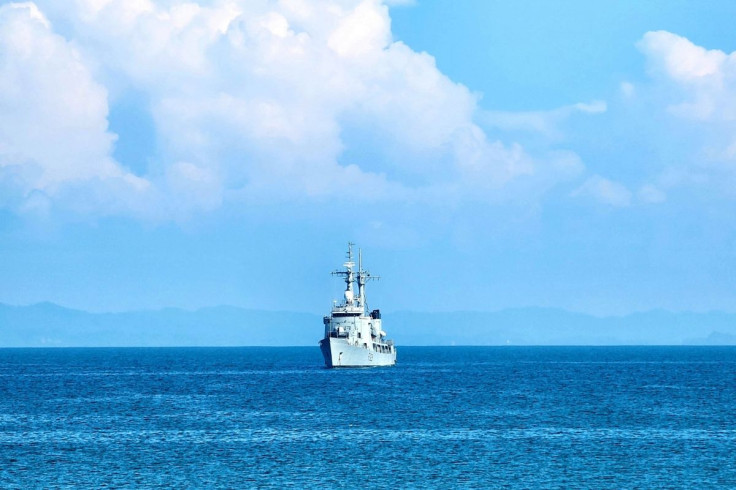
Fresh concerns over security in the South Atlantic have emerged after reports of Argentine military activity near the Falkland Islands prompted a response from British forces. The episode has revived attention on one of the United Kingdom's most sensitive territorial disputes.
The incident involved an Argentine military aircraft operating close to the islands, triggering monitoring procedures by British personnel stationed in the territory. While officials stressed there was no immediate threat, the event renewed scrutiny of Britain's military readiness and highlighted the enduring tensions between London and Buenos Aires over sovereignty of the Falklands.
More than four decades after the Falklands War, the islands remain a focal point of diplomatic disagreement. Argentina continues to claim sovereignty over the territory, while the United Kingdom maintains that the future of the islands should be determined by the wishes of the Falkland Islanders themselves.
British Forces Remain Vigilant
The United Kingdom maintains a permanent military presence on the Falklands through RAF Mount Pleasant, which serves as the centre of British defence operations in the South Atlantic.
According to the Ministry of Defence, military personnel routinely monitor air and maritime activity around the islands. The defence force includes Typhoon fighter aircraft, radar systems, and support personnel tasked with protecting the territory and responding to potential threats.
The latest activity was tracked as part of established surveillance procedures. Although no escalation followed, the incident demonstrated how closely British authorities continue to watch developments in the region.
Military experts note that activity involving the Falklands often attracts attention because of the islands' strategic location and the history surrounding the sovereignty dispute.
The Legacy of the 1982 Conflict
The Falkland Islands have remained under British administration since 1833, but Argentina has never abandoned its claim.
The dispute escalated dramatically on 2 April 1982 when Argentine forces invaded the islands, triggering a ten-week conflict. British forces ultimately retook the territory in June 1982 after a military campaign that claimed more than 900 lives.
The war remains a defining event for both countries and continues to shape political discussions surrounding the islands.Although diplomatic relati ons have improved since the conflict, sovereignty remains unresolved.
Self-Determination at the Centre
The United Kingdom's position is based on the principle of self-determination.
In a 2013 referendum organised by the Falkland Islands Government, 99.8% of voters chose to remain a British Overseas Territory. British officials regularly cite that result as evidence that the islanders should determine their own future.
Argentina rejects the referendum as a solution to the dispute and continues to advocate negotiations over sovereignty. As a result, the disagreement remains a recurring source of diplomatic tension between the two countries.
What Comes Next?
There is no indication that the latest incident will lead to a wider confrontation, and officials continue to engage through diplomatic channels.
However, the episode serves as a reminder that the Falklands remain one of the few territorial disputes involving the United Kingdom that continues to attract international attention. Military movements near the islands are closely watched because of the region's strategic importance and the history of conflict.
For Britain, the incident reinforces the importance of maintaining a credible defence presence in the South Atlantic. For Argentina, it highlights a sovereignty claim that remains central to national policy. And for the Falkland Islanders, it is another reminder that their remote home continues to occupy an important place in international affairs.
© Copyright IBTimes 2026. All rights reserved.