

Is PlayStation 6 Delayed? PS6 Reportedly Cost at Least $1,000 as Death of Physical Games Looms
As rumours harden around a pricey, digital-first PlayStation 6, Sony's next move may decide not just a console cycle, but what 'owning' a game really means.
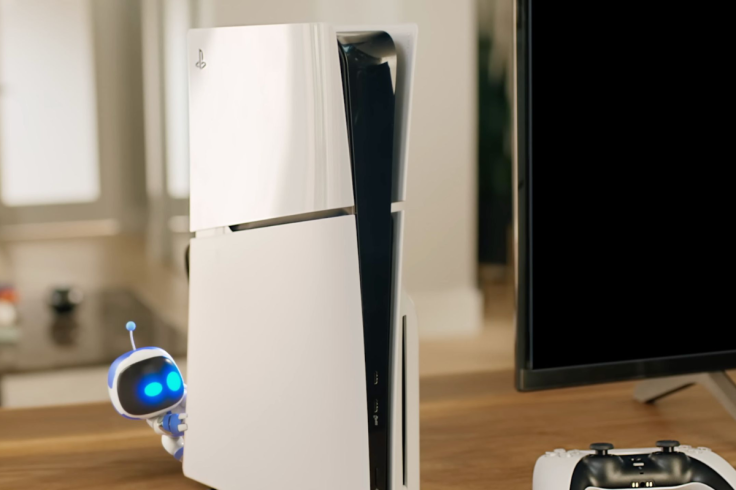
Sony's next-generation PlayStation 6 may not arrive until 2028 and could cost at least $1,000 at launch, according to a new report from a well-known gaming insider, intensifying questions over how far players will follow the console maker into a more expensive and potentially disc-free future.
The PlayStation 6 might launch in 2027, roughly in line with the seven-year gap between the PS4 and PS5. That expectation is now being challenged by claims from insider Nash Weedle, who has outlined a later window and a punishing price tag, with Sony said to be weighing whether to offset the cost by raising subscription fees and phasing out physical games entirely. None of this has been confirmed by Sony, so for now all details should be taken with a grain of salt.
PlayStation 6 Price Fears Collide With Market Reality
The suggested $1,000 launch price for the PlayStation 6 is not plucked from thin air. The report frames it as a rough baseline dictated by current memory and storage costs, which have been rising and remain volatile. Unless Sony is prepared to sell the hardware at a substantial loss and claw the money back elsewhere, the logic goes, that kind of sticker shock is becoming difficult to avoid.
Sony could try to cushion the blow by leaning harder on recurring revenue. That would likely mean higher PS Plus subscription prices and a more aggressive push towards digital-only sales, including an end to physical discs for PS6 games. Cutting retailers out of the equation and dropping manufacturing of discs and packaging gives Sony a larger cut of every title sold.
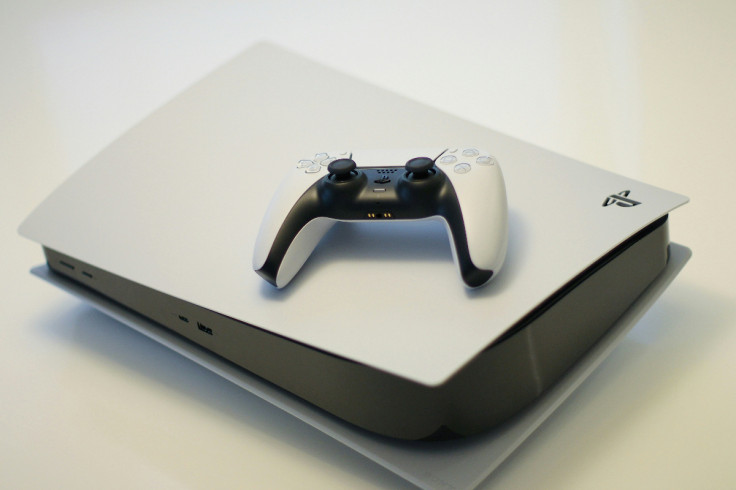
There is an obvious downside. Even if those strategies work on paper, the console itself would still land as significantly more expensive than the PS5 was at launch, and that is before you consider a cost-of-living crisis in many of Sony's key markets. Asking players to pay more up front and then more again on services is not an easy sell, however rational it might look in a boardroom.
Why a 2028 PlayStation 6 Might Suit Sony — And Nobody Else
The new 2028 timeline for the PlayStation 6 is attributed to Nash Weedle, a leaker who has built a reputation primarily on Nintendo hardware and software scoops rather than Sony's ecosystem. Weedle claims both the PS6 and a rumoured handheld companion device are lined up for that year, without giving a specific month. Going by recent console history, a November launch would be the obvious bet, but that is speculation rather than sourced information.
On paper, waiting until 2028 offers one clear advantage: it gives Sony more time for parts of the components market to calm down. The trouble, as the report itself concedes, is that analysts do not expect a return to the cheaper, more predictable supply chains of the past. Forecasts cited in the report suggest 2027 could actually be worse than 2026, and that 2028 is more likely to represent a plateau than a meaningful improvement.
This might simply be the new normal. If that is true, delaying the PlayStation 6 to avoid high costs begins to look less like a clever hedge and more like an expensive pause. A later launch introduces its own dangers: the chance of leaks spiralling, the risk of rival platforms moving first, and the mounting cost of sitting on finished hardware and software while the PS5 generation is stretched thinner and thinner.
It is also entirely possible that 2028 was always Sony's target and that what looks like a delay from the outside is simply the original roadmap peeking into view. Weedle's report does not take a position either way, and Sony has so far stayed silent on its next-gen timing.
Handheld Hopes as Disc-Based Games Face the Edge
The most intriguing element in the PlayStation 6 claims is the suggestion of a new handheld arriving alongside the console. Here, the economics become more fluid. If the PS6 launches around the $1,000 mark, a cheaper portable device priced several hundred dollars below it could give Sony a way to keep players in the PlayStation fold without expecting every household to shoulder the full premium.
The report floats prices where the handheld could come in at roughly half the cost of a PlayStation 6, or around $300 to $400 cheaper. That sort of gap would effectively turn the portable into a pressure valve for price-conscious players, especially if it ties tightly into the PS6 library or cloud gaming services. In theory, strong handheld sales could help to offset weaker uptake of the flagship console.
Hovering over all of this is the looming 'death of physical games' for the next generation. The report leans heavily on the idea that Sony will be incentivised to abandon discs altogether on the PlayStation 6, pocketing more from every digital sale while also reducing its reliance on external retailers and manufacturing partners. For players who still like to line games up on a shelf or lend them to a friend, that would be a turning point rather than a mere hardware refresh.

Sony has made no public comment on the PlayStation 6's price, launch year or format strategy, and there are no official documents in the wild to confirm any of these assertions. Until those arrive, all talk of a 2028 release, a $1,000 console and a disc-free future remains informed rumour, albeit from an insider whose past track record keeps the gaming world listening.
© Copyright IBTimes 2026. All rights reserved.