

Will PlayStation 6 Be Cheaper? Analyst Says Sony Could Ax the Disc Drive on Standard PS6
Sony's move to end disc production hints at a digital-only PlayStation 6 launch in 2028.
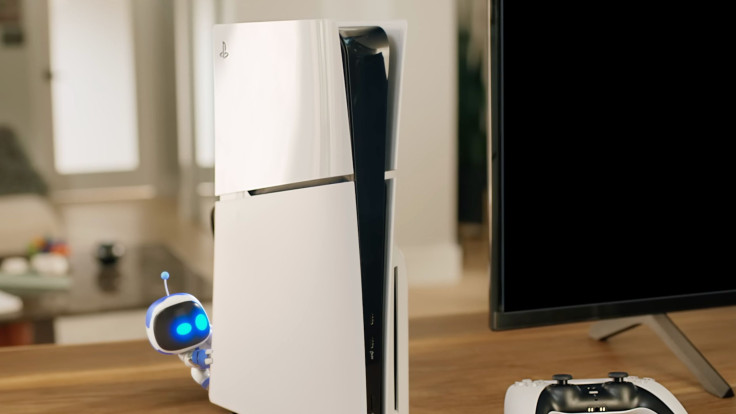
The gaming industry is reeling after Sony announced it will cease production of physical game discs for new PlayStation titles starting in January 2028.
Industry experts are now viewing the move as a definitive roadmap for the PlayStation 6, with analysts predicting the next-generation console will likely arrive at the end of 2028 and be designed without a standard physical media drive.
The decision, confirmed via the official PlayStation Blog on 1 July 2026, marks the end of an era for physical media enthusiasts. While existing disc-based titles remain unaffected, the shift to digital-only releases for future games suggests a permanent change in Sony's hardware strategy.
Piers Harding-Rolls, an analyst at Ampere Analysis, believes this date is no coincidence. 'We believe this almost certainly guarantees that the PS6 won't arrive until 2028 at the earliest,' he noted, projecting a late 2028 launch window.
The Case For A Disc-Less PlayStation 6
The removal of the disc drive is widely expected to be a primary cost-saving measure for Sony. As hardware manufacturers grapple with rising component costs and the industry-wide focus on digital margins, a base-model PS6 without an integrated drive represents a significant manufacturing win.
Analysts suggest that while Sony may offer a detachable drive—similar to the current PS5 hardware model—to facilitate backward compatibility for older physical libraries, the 'out-of-the-box' experience for the PS6 will be strictly digital. This move, while controversial among collectors, aligns with current consumer trends. Industry data indicates that digital downloads now account for approximately 80 per cent of game sales, a massive shift from the 13 per cent figure recorded when the PlayStation 4 first launched in 2013.
Will PlayStation 6 Be Cheaper?
Harding-Rolls said the standard version of the PS6 will, at minimum, not include a physical media drive. His reasoning is simple enough, even if it is not exactly glamorous. Sony will be looking for any easy win to reduce manufacturing costs, and stripping the disc drive from the base model would do exactly that.
That would not necessarily kill disc support entirely. Harding-Rolls suggested Sony could offer a separate add-on drive, much as it has done with the PS5 in recent years, which would let buyers who still want to use older physical games bolt that option on later. That arrangement would also give Sony more flexibility on price, which is where the real question sits.
A cheaper PS6 base model? Quite possibly. A cheaper all-round experience for players? That is less certain.

There is, of course, a catch. If Sony were to release the PS6 in late 2027, it would have to support disc-based launch titles for only a short spell before switching off physical production in January 2028.
That would be a strange bit of timing, even by the industry's occasionally mad standards. A 2028 launch, by contrast, would let Sony move into its next generation with a clean digital break.
What Sony's Shift Means
Sony's statement framed the move as a response to consumer behaviour, noting that digital preferences now significantly outpace physical disc sales. The company said the transition would better align the brand with how 'most of our community prefers to access and play games today,' which is corporate language, yes, but not empty language.
The practical effect is bigger than it looks at first glance. Retail shelves will not disappear, but the boxes may increasingly hold download codes rather than discs, which is a very different proposition for collectors and for players who still like to own something tangible. For fans who have built libraries around physical media, that part stings a bit.
It also nudges the wider console race into unusual territory. If Xbox's next machine, currently codenamed Project Helix, lands in late 2027 as has been suggested elsewhere, then the two giants would no longer be launching against each other in the same window. That would be the first such gap in more than two decades, and it would mark a notable shift in how the next console cycle unfolds.
None of this is a Sony announcement about PS6 hardware. It is an analyst's read on what Sony's disc decision implies, and on balance, it is a persuasive one. If the standard PS6 does go digital-first, the price question becomes obvious, because the absence of a disc drive should save money, even if it does not guarantee a bargain. That is the small, slightly awkward truth at the heart of this whole thing.
As the 2028 deadline approaches, the pressure will be on Sony to demonstrate that a digital-first PS6 can offer the same value and flexibility that physical discs have provided for decades. With the launch window now seemingly pegged to late 2028, the industry has two years to prepare for what promises to be the most significant hardware transition in PlayStation's history.
© Copyright IBTimes 2026. All rights reserved.