Trump Faces Fury as Pope Declines July 4 Invite Amid Claims of US 'Threats' to Vatican
Pope Leo XIV's absence from US celebrations sparks diplomatic controversy

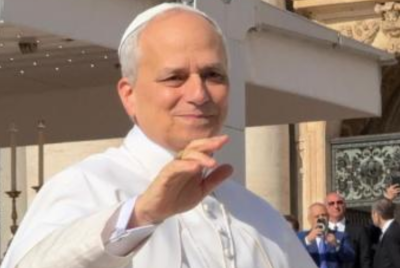
A dramatic diplomatic rift has erupted after Donald Trump was left facing mounting fury when Pope Leo XIV appeared to snub a high-profile 4 July invitation, choosing instead to stand thousands of miles away in a symbolic act that has ignited claims of deepening tensions and even alleged threats against the Vatican.
The shock decision has raised eyebrows across political and religious circles, with critics claiming the Pope's absence is no coincidence but a calculated response to what insiders describe as increasingly hostile rhetoric and pressure from Washington.
Pope Rejects July 4 Visit
The controversy centres on the Pope's decision to decline an invitation to attend the United States' 250th anniversary celebrations. Instead of travelling to America, Pope Leo XIV is expected to spend 4 July in Lampedusa, a location widely recognised as a gateway for migrants entering Europe.
The move is being widely interpreted as a powerful statement. Lampedusa holds deep symbolic meaning within the Catholic Church, particularly in highlighting the struggles of displaced communities. By choosing this destination, the Pope appears to prioritise compassion over ceremony.
No Clear Commitment From the Pontiff
Reports suggest the invitation had been formally delivered during an earlier meeting involving J.D. Vance, but the encounter was described by observers as awkward, with no clear commitment given by the pontiff.
Amid the growing row, Pope Leo XIV has continued to deliver pointed messages about global conflict, diplomacy, and the use of force.
In recent remarks, he warned that 'war is back in vogue' and criticised what he described as a shift away from dialogue towards aggression. Without naming specific leaders, his comments have been widely interpreted as indirect criticism of current US policy positions.
He also stressed that faith should not be used to justify violence, stating that those who wage war cannot claim divine support. These statements have drawn attention due to their timing, coming amid heightened geopolitical tensions involving the United States.
The Pope's messaging has resonated strongly with parts of the global Catholic community, particularly those concerned about humanitarian issues and the moral implications of political decisions.
Allegations of Tensions and Threats
The situation has escalated further following claims that tensions between the Trump administration and the Holy See have been building for months.
According to reports, a meeting involving senior US officials and Vatican representatives allegedly included references to military power and historical precedents where political leaders exerted control over the Church. While these claims remain unverified, they have fuelled speculation that the Pope's decision may have been influenced by concerns over pressure or intimidation.
In particular, references to the historical period known as the Avignon Papacy have raised alarm, given its association with political interference in Church affairs.
Neither the White House nor Vatican officials have publicly confirmed such allegations, but the narrative has rapidly gained traction online, intensifying scrutiny of US foreign policy tone and messaging.
Political Fallout
Back in Washington, the fallout has been swift. Critics of Trump have seized on the Pope's absence as evidence of strained international relationships, while supporters have dismissed the move as symbolic and politically motivated.
Some lawmakers have questioned whether the situation reflects a broader breakdown in diplomatic norms, especially between the United States and influential global institutions like the Vatican.
At the same time, the Pope's planned remote address to the United States on 3 July suggests he has not completely disengaged, but is instead choosing a different platform to deliver his message.
© Copyright IBTimes 2026. All rights reserved.
- Recommended For You