

Pope Leo Blasts Bishop Ordinations as a 'Sin of Extreme Gravity' in His First Big Test as Pontiff
SSPX's defiance marks a significant challenge to Pope Leo XIV's efforts for church unity
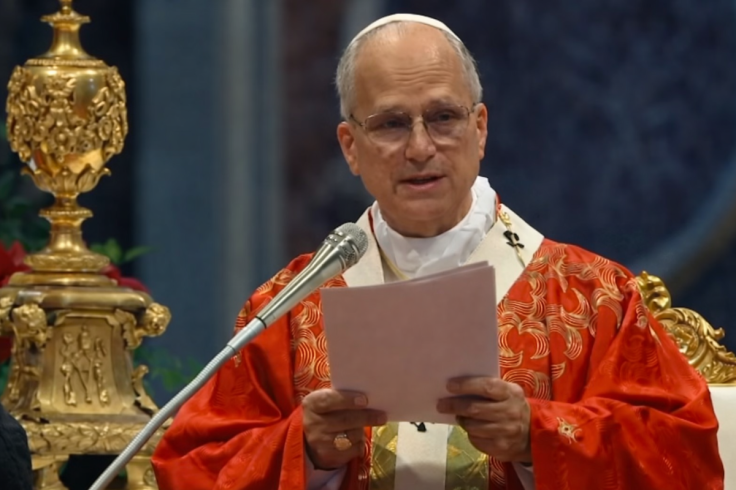
Pope Leo XIV warned a breakaway traditionalist sect that consecrating bishops without his consent would be a 'sin of extreme gravity'. The Society of Saint Pius X (SSPX) went ahead anyway, ordaining four new bishops in Switzerland on Wednesday.
The ceremony, held at the society's seminary in Écône, triggers automatic excommunication for all five clergy involved under Catholic church law. It is the most serious rupture of Pope Leo's papacy so far, arriving just over a year after his election and directly challenging the unity he has made his defining priority.
Pope Leo's Last-Minute Plea: 'Please Turn Back!'
In a letter dated 29 June, Pope Leo made a last-minute appeal to the SSPX's superior general, Father Davide Pagliarani, urging him to call off the ordinations. 'In this spirit, and filled with Christian affection, I plead with you and ask you with all my heart: please turn back!' the pontiff wrote.
He went further, warning of the spiritual cost to SSPX followers. 'I pray for you, because to tear the seamless garment of Christ is a sin of extreme gravity,' Leo wrote. 'May the Lord enlighten your consciences and awaken your hearts.'
The letter also stressed that the Vatican remained open to talks. Leo said the church recognised the SSPX's 'devotion to liturgical life' and 'apostolic zeal', framing his appeal as paternal rather than purely disciplinary.
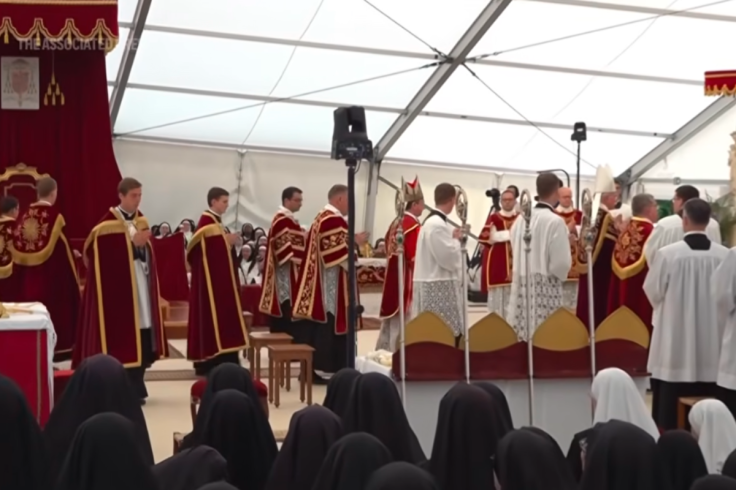
Defiant Ordination Goes Ahead In Écône
The plea was rejected. As the mass began on Wednesday, a priest read a statement defending the consecrations, insisting the society considered it 'a sacred duty toward holy church and toward souls to proceed with the consecration of bishops... entirely faithful to her holy tradition.'
Bishop Alfonso de Galarreta, himself consecrated without papal consent in 1988, laid hands on the four new bishops, two from the US, one from Switzerland and one from France. Hundreds of priests processed through the mountain village as the ceremony was livestreamed and translated into several languages.
Members of the Italian neofascist party Forza Nuova, and Futuro Nazionale, a new far-right force challenging Prime Minister Giorgia Meloni's re-election prospects, were spotted among the crowd.
The Strategic Choice Now Facing Pope Leo
Since his election, Leo has worked to heal rifts with traditionalists that deepened under his predecessor, Francis, making church unity the signature project of his early papacy. The SSPX's decision to proceed regardless is the first direct rejection of that project, and it now forces Leo to choose between a hard disciplinary line and the same patient diplomacy he has favoured so far.
Cardinal Blase Cupich of Chicago, an ally of the pope, said that the real danger of the SSPX's actions lies in it 'setting up a parallel structure within the ecclesial body of the church'. He added that Leo had made 'multiple interventions' because he takes the issue seriously, despite the SSPX's relatively small size.
The Society of Saint Pius X has gone through with its defiance of Pope Leo XIV, consecrating four new bishops at Écône without a papal mandate.
— AF Post (@AFpost) July 1, 2026
Rome had warned that the move would constitute a schismatic act and trigger automatic excommunications under canon law, echoing… pic.twitter.com/hLTh2NLzPU
How 1988 Set the Stage for Today's Rupture
The society, founded in 1970 by Archbishop Marcel Lefebvre in opposition to the modernising reforms of the Second Vatican Council, has grown into a global network of around 700 priests and roughly 600,000 followers, with a significant presence in the United States. Wednesday's consecrations mark only the second such clash between Rome and the SSPX since 1988, when Lefebvre and four bishops he ordained, including British bishop Richard Williamson, were excommunicated.
Pope Benedict XVI lifted those 1988 excommunications in 2009 in an attempt to heal the rift, though he stopped short of granting the society formal canonical status.
© Copyright IBTimes 2026. All rights reserved.