

Vatican's Schism Crackdown Doesn't Just Target Bishops—Some Catholics Risk Excommunication Too
Unauthorised consecrations lead to schism declaration and potential excommunications
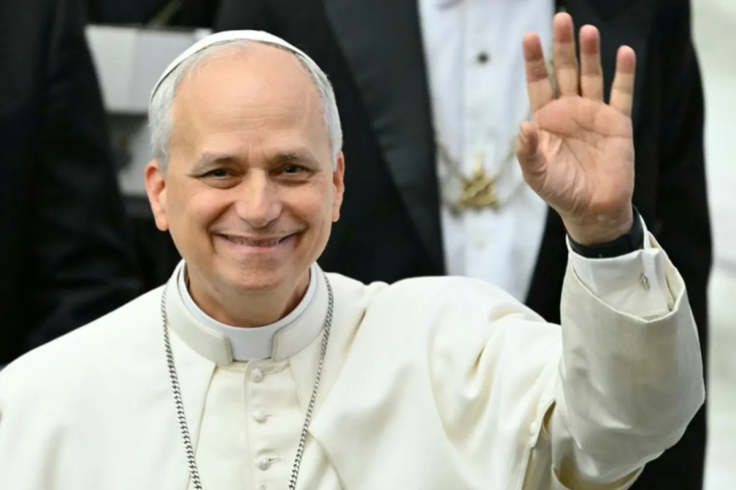
The Vatican has formally declared the traditionalist Society of Saint Pius X (SSPX) to be in schism after the group consecrated four bishops without Pope Leo XIV's approval, warning that some lay Catholics who formally adhere to the society could also face excommunication.
In a decree issued by the Dicastery for the Doctrine of the Faith, the Vatican said Catholics who 'formally adhere' to the SSPX could also be considered excommunicated. However, it stressed that simply attending Mass celebrated by SSPX priests or supporting the traditional Latin Mass would not, on its own, incur the penalty.
The decision came a day after the SSPX consecrated four bishops during a five-hour ceremony at its seminary in Écône, Switzerland, despite repeated Vatican warnings that proceeding without papal approval would constitute a schismatic act.
Who Could Face Excommunication?
According to the Vatican, the decree applies only to Catholics who knowingly reject the authority of the Pope and instead place their allegiance with the SSPX. Guidance first published by the Vatican in 1996 states that occasional attendance at SSPX liturgies or criticism of Vatican policy does not amount to formal adherence.
Under Canon 1364 of the Church's Code of Canon Law, schism is defined as refusing submission to the Pope or communion with the Catholic Church under his authority. The Vatican said both the bishops who performed the consecrations and those who received them incurred automatic, or latae sententiae, excommunication under canon law.
BREAKING: The Vatican excommunicates bishops from a breakaway group of traditionalist Catholics that consecrated them without Pope Leo's consent. https://t.co/dZUbjgCi7q
— The Associated Press (@AP) July 2, 2026
BREAKING: Holy See declares all 6 SSPX bishops are excommunicated
— Michael Haynes 🇻🇦 (@MLJHaynes) July 2, 2026
Bishop Galarreta committed "an act of a schismatic nature through the episcopal consecration"
All four bishops consecrated received "have ipso facto incurred the latae sententiae excommunication reserved to the… pic.twitter.com/DaLw7sfidm
Vatican Responds to Consecrations
The decree was issued less than 24 hours after the consecration ceremony at the SSPX's seminary in Écône, which attracted an estimated 15,500 worshippers.
Before the ordinations took place, Cardinal Víctor Manuel Fernández, head of the Dicastery for the Doctrine of the Faith, urged SSPX Superior General Davide Pagliarani to cancel the ceremony, warning that proceeding without papal approval would constitute a schismatic act.
The fraternity nevertheless went ahead with the consecrations, arguing that additional bishops were needed to continue its ministry.
Following the ceremony, the Vatican confirmed that Bishops Alfonso de Galarreta and Bernard Fellay, together with newly consecrated bishops Pascal Schreiber, Michael Goldade, Michel Poinsinet de Sivry and Marc Hanappier, had incurred automatic excommunication.
Vatican Secretary of State Cardinal Pietro Parolin later expressed 'deep sorrow', saying the consecrations had seriously wounded the Church's unity.
Long-running Dispute
The dispute dates back more than five decades. The SSPX was founded in 1970 by French Archbishop Marcel Lefebvre in opposition to reforms introduced after the Second Vatican Council, including the wider use of local languages during Mass.
In 1988, Lefebvre consecrated four bishops without papal approval and was excommunicated. Pope Benedict XVI lifted those excommunications in 2009 as part of an effort to restore full communion between Rome and the society, while Pope Francis later granted faculties allowing SSPX priests to hear confessions and celebrate marriages in certain circumstances.
The Vatican said repeated efforts by successive popes to restore the SSPX to full communion had failed. It concluded that the latest consecrations represented a renewed act of schism because they were carried out without papal approval, marking the collapse of years of attempts to reconcile the traditionalist movement with Rome.
© Copyright IBTimes 2026. All rights reserved.