Selena Gomez Wondermind Lawsuit Explained: Pop Star Accused of Deceiving Investors as $1M Startup Fails
Behind Selena Gomez's mental health mission, investors now say, was a startup quietly unravelling long before the cameras stopped rolling
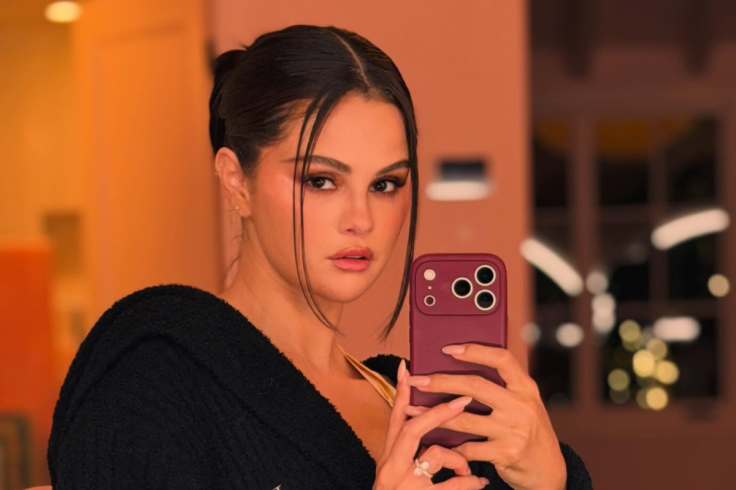
Selena Gomez is facing a new legal battle in California, where two investment firms filed lawsuits this week accusing the pop star and her mental health startup, Wondermind, of deceiving investors who poured more than $1 million into the struggling company.
The claims centre on Wondermind, a mental health brand launched in 2021 by Gomez, her mother Mandy Teefey, and entrepreneur Daniella Pierson. The project was heavily marketed as a mission-driven platform aimed at destigmatising mental health conversations, with Gomez's high-profile advocacy used as a powerful draw for investors and fans alike. The new lawsuits suggest that behind the glossy branding and celebrity endorsements, the business was in far worse shape than many backers were led to believe.
Selena Gomez Wondermind Lawsuit Alleges Misleading Pitch to Investors
The complaints, brought by Wondermind SRS 44 LLC and Bespoke Wondermind LLC, accuse Gomez, Teefey, Pierson and Wondermind Global of misrepresenting the company's infrastructure, leadership and resources in order to secure funding. According to the filings, investors were allegedly given an overly optimistic picture of Wondermind's operational capacity, while crucial weaknesses were downplayed or omitted.
The lawsuit language is stark. It claims that the money investors put in was effectively 'funding the collapse' of Wondermind, rather than supporting a viable, well-run startup. Put bluntly, the companies allege they were sold a vision of stability and growth when, in reality, Wondermind was already faltering.
Nothing in the public domain independently verifies those accusations at this stage, and Wondermind has not yet filed a formal response in court. The claims have not been tested before a judge, and no ruling has been made on their accuracy, so all allegations should be treated with caution until the legal process plays out.
What the suits do add to is an increasingly unflattering picture of Wondermind's internal troubles. A 2025 article by The Cut reported that the company failed to pay some vendors and employees on time, suggesting deeper financial and managerial strain. That earlier reporting painted a portrait of a business under pressure, with staff and partners caught in the crossfire.
Mandy Teefey has already pushed back on criticism of Wondermind's operations. Responding to those claims of dysfunction and missed payments, she said: 'It's unfortunate that a few disgruntled employees with an ax to grind can spread lies about me and distort the truth. Even more disappointing that the media is willing to amplify their lies.' That statement, while not addressing the new lawsuits directly, indicates how fiercely she disputes the narrative of a collapsing company.
Investors Say Selena Gomez's Brand Masked a Failing Startup
At the core of the Wondermind dispute is the uncomfortable question of what role Gomez's celebrity played in attracting money to a venture that now stands accused of being fundamentally unsound. For investors, the appeal was obvious. Gomez is one of the most followed figures on social media and has spoken openly about her own mental health, lending authenticity and reach to the project.
The lawsuits suggest that this star power may have helped paper over serious issues. The plaintiffs argue they were lured in by a high-profile founding team and assurances that Wondermind had the right people and systems in place to turn a profit while doing social good. Instead, they claim, the capital they provided simply delayed the inevitable, underwriting a slow-motion failure rather than building a lasting brand.
The line between an optimistic startup pitch and alleged deception is a narrow but crucial one. Early-stage companies routinely present ambitious projections and best-case scenarios to potential backers. The plaintiffs here are effectively saying Wondermind crossed that line, moving from hopeful spin into materially misleading statements about how robust the operation truly was.

It is also worth noting what the filings do not yet show. There is no detailed breakdown, in the material reported so far, of exactly how the $1 million-plus was spent or which specific statements by Gomez, Teefey or Pierson are alleged to be false. Those particulars will matter. Investors may feel morally aggrieved, but courts tend to care about documented promises, timelines and hard numbers.
Gomez, the timing is awkward. Her mental health advocacy has been central to her public image, and Wondermind was meant to be both a cause and a business. Allegations that the company failed to pay vendors and staff when due sit uneasily beside that carefully cultivated mission, even if a court eventually finds no legal wrongdoing.
Teefey's pushback suggests the defendants are likely to argue that startup turmoil, employee dissatisfaction and late payments do not amount to fraud, but rather to the messy realities of building a new company. The plaintiffs, in turn, are effectively arguing that they were not warned just how messy those realities already were when they signed over their money.
Until the case progresses and more documents become public, key pieces of the puzzle remain missing. There is, as yet, no independent confirmation of the investors' most serious claims, and no full account from Gomez or Pierson addressing the accusations head-on. For now, the lawsuits stand as sharply worded allegations, not established fact, and both sides will have to substantiate their stories under oath.
© Copyright IBTimes 2026. All rights reserved.
- Recommended For You