

Former Australian Bishop Convicted of Sexually Abusing 2 Indigenous Men on 13 Charges
Christopher Saunders was convicted on 13 sexual abuse charges involving two Indigenous men, exposing disturbing parties, Church-funded alcohol, and a wider Vatican probe
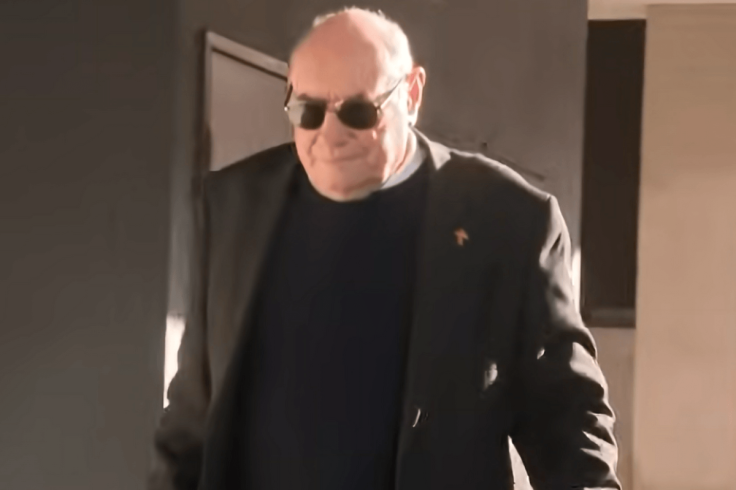
A former Australian Catholic bishop has been convicted of sexually abusing two young Indigenous men, ending a trial that exposed a disturbing picture of alcohol-fuelled gatherings, Church-owned properties, and allegations of abuse spanning more than a decade.
Christopher Saunders, 76, was found guilty by a District Court of Western Australia jury on 13 of 19 charges. The offences, alleged to have occurred between 2008 and 2019, included one count of sexual penetration without consent and 12 indecent assaults.
The prosecution's case centred partly on gatherings Saunders hosted at a Church-owned home in Broome, where young Indigenous men allegedly gathered for parties fuelled by free alcohol and cigarettes.
The supplies were allegedly paid for with Church funds. Prosecutors also alleged there was a striking house rule: male guests were expected to take off their shirts.
Saunders' lawyer, Tony Hager, did not dispute that such parties took place. He told jurors they could have seemed unusual, boozy, or even 'sleazy', but argued they were never sexual.
Prosecutor Adam Ebell took a very different view, arguing Saunders had a sexual interest in young Aboriginal men and acted on that interest when opportunities arose. The jury ultimately convicted him on 13 charges.
The 'Brother B' at the Centre
Saunders was a powerful figure in the remote Kimberley region, where he served as Bishop of Broome from 1996 until his resignation in 2021.
Court evidence also described how he was known to some young men as 'Brother B', a detail that adds another layer to the relationships at the heart of the case.
The prosecution's argument was not simply about what happened at individual parties. It was about the environment surrounding Saunders, his position of authority, and the access he allegedly had to young Indigenous men in a region where the Catholic Church wielded considerable influence.
The Evidence That Reached the Jury
The trial also featured police interviews in which Saunders denied allegations against him. In one account reported from court, Saunders described an allegation as 'outrageous' and another as 'bloody nonsense'. His defence maintained that the prosecution was interpreting behaviour that may have been unconventional or inappropriate as sexual conduct.
Jurors were also shown footage from a covert camera installed at Saunders' Broome home in 2024. The footage showed Saunders and another man sitting opposite one another and placing their feet on each other's laps while watching football.
Importantly, the man in that footage was not one of the alleged victims in the trial, and police did not allege that he had been assaulted. The footage was nevertheless part of the evidence presented to the jury.
What Happened to the Charges?
The numbers surrounding the trial can be confusing. Saunders ultimately faced 19 charges before the jury. He was convicted on 13 and acquitted of six, including charges involving a third alleged victim and an allegation concerning a person aged over 16.
Four other allegations involving sexual penetration of a child under 13 were withdrawn at the beginning of the three-week trial. That distinction matters. The 13 convictions represent the offences the jury found proved beyond reasonable doubt, rather than every allegation that has surrounded Saunders.
The Vatican's Explosive Findings
The criminal case is only part of the story. The Vatican launched an investigation into Saunders in 2022. It later provided Western Australia Police with a 200-page report, prompting police to reopen their investigation and eventually charge Saunders in 2024.
The report was never officially released, but leaked findings reported by Australia's Seven Network suggested a much wider picture. Investigators reportedly identified four Indigenous youths or young men who may have been sexually assaulted and another 67 Indigenous youths and men who may have been groomed.
Those 67 people were not the subjects of the 13 convictions. The distinction is crucial, but the figure shows why the Saunders case has become so significant beyond the courtroom.
The Church Responds
The current Bishop of Broome Tim Norton apologised to Saunders' victims and the wider diocese following the verdict.
Norton said the harm extended beyond those who had spoken to police or testified in court, reaching people who had trusted the Church and its leadership.
Saunders showed no reaction as the verdicts were read. He had been on bail since his arrest, but did not seek to remain on bail after his conviction.
The result leaves a stark divide between what has been proved in court and the much broader allegations contained in the Vatican investigation. Thirteen convictions now stand against Saunders, while questions surrounding the reported findings involving dozens of Indigenous youths and men ensure the case is far from fading quietly.
© Copyright IBTimes 2026. All rights reserved.