

Catholic Group Defies Pope Leo XIV By Appointing Four Bishops, They're Risking Excommunication
SSPX to Consecrate Bishops Despite Papal Warnings of Excommunication
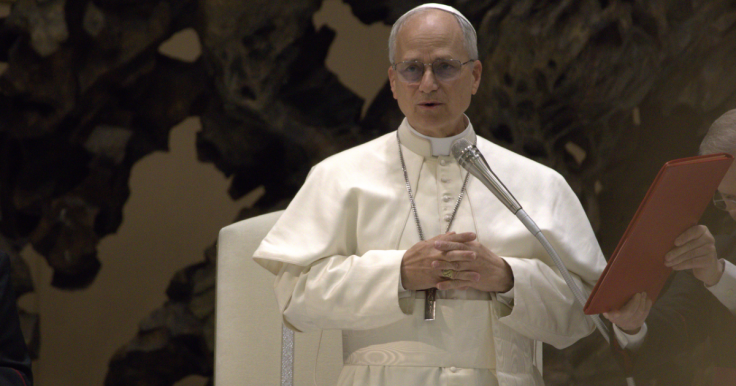
A traditionalist Catholic group is pressing ahead with plans to appoint four bishops without the approval of Pope Leo XIV, despite repeated warnings that the move could lead to automatic excommunication and be treated as a schismatic act.
The Society of St. Pius X (SSPX) is due to hold the consecration ceremony on Wednesday at its seminary in Econe, Switzerland, with thousands expected to attend.
The event comes after Pope Leo made a final appeal urging the society to reconsider, warning that consecrating bishops without a papal mandate was a 'sin of extreme gravity' that would ultimately harm the faithful. Even so, the SSPX has refused to change course, insisting that it is acting out of necessity to preserve what it believes is the authentic Catholic faith. The ceremony also coincides with the 38th anniversary of the last time the Vatican declared similar consecrations by the group to be a schismatic act.
Society of St. Pius X Defies Pope's Warning
According to Catholic Church law, appointing bishops without papal approval carries the penalty of automatic excommunication for both the bishops being consecrated and the bishop carrying out the ceremony. The act is also regarded as a schismatic one because it breaks communion with the authority of the Catholic Church.
Despite that, preparations for Wednesday's event have continued publicly. The SSPX website has featured a countdown to the ceremony, alongside videos showing seminarians preparing for the occasion. Those attending have also been offered commemorative items, including a 75 Swiss franc (£65) 'Cuvee des Sacres' souvenir wine set with bishop-themed labels and an 'Econe2026' baseball cap.
The society has made it clear that the possibility of excommunication is not enough to make it reconsider.
'We don't fear it. It pains us immensely, but we believe that the good we seek is greater than the pain that will be inflicted upon us,' said Marc-André Mabillard, the society's media manager.
In a response to Pope Leo's letter, SSPX superior Rev. Davide Pagliarani urged the pope to wait before declaring any penalty, but also made clear that the group's plans would not change.
Mabillard later expressed what he called 'great sadness to not be understood by our leader,' before adding, 'We are changing absolutely nothing in our plans.'
Dispute Extends Beyond Mass Language
The Society of St. Pius X was founded by French Archbishop Marcel Lefebvre in opposition to the reforms introduced by the Second Vatican Council during the 1960s. Those reforms reshaped the Catholic Church's relationship with other Christians, Jews and followers of other faiths, while also allowing Mass to be celebrated in local languages rather than exclusively in Latin.
Today, the SSPX continues to celebrate the ancient Latin Mass and argues that the modern Church has embraced heresies and errors, including modernism, liberalism and ecumenism. The group says it alone is preserving the true Catholic faith and has justified the consecrations by claiming there is a 'state of necessity' because it needs more bishops to serve its followers.
The society says it currently has only two of its original four bishops still living and needs additional bishops to oversee ordinations and confirmation ceremonies. It says the move is not intended to reject Pope Leo's authority or challenge his position. The four men selected are Pascal Schreiber of Switzerland, Michael Goldade of the United States, Michel Poinsinet de Sivry of France and Marc Hanappier of France.
Many Catholics, including some with conservative and traditional views, have criticised the decision.
'You can't serve tradition while disobeying the church and her authority,' said Rev. Robert Gahl, an ethics expert at the Catholic University of America.
St. John Paul II biographer George Weigel also argued that the disagreement extends well beyond whether Mass is celebrated in Latin or English. He wrote that the divide concerns 'a rejection of the Second Vatican Council's teaching on the church, salvation, religious freedom, church-state relations, and the church's relationship to other religions.'
Weigel also recalled that Lefebvre supported the collaborationist Vichy regime in France during the Second World War, while noting that one of the SSPX's original bishops denied the Holocaust.
With the ceremony now set to go ahead, the society has remained firm in its position despite the pope's appeal and the threat of automatic excommunication.
© Copyright IBTimes 2026. All rights reserved.