

Portugal vs Spain Match Could Expose Whether Ronaldo Still Fits Portugal's 2026 World Cup Team's Best XI
As Portugal faces Spain, Ronaldo's place in the starting XI is under scrutiny.
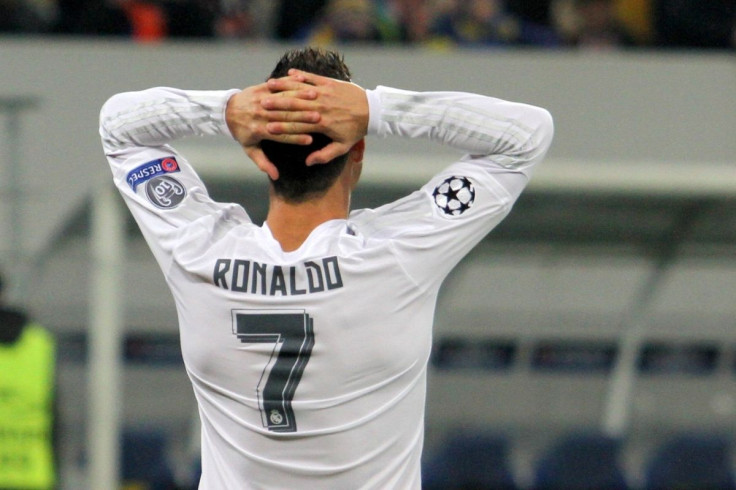
Cristiano Ronaldo has spent more than two decades proving doubters wrong, but Portugal's World Cup last‑16 showdown against Spain could offer the clearest evidence yet of whether the 41‑year‑old still belongs in Roberto Martínez's strongest starting XI.
Ronaldo remains Portugal's captain and all‑time leading scorer, yet questions over his role have intensified as younger team‑mates increasingly shoulder the team's creative burden.
The Iberian rivals meet in one of the tournament's biggest knockout fixtures with a place in the quarter‑finals at stake. Spain arrive as one of the competition's most convincing sides, unbeaten and yet to concede a goal, while Portugal have reached this stage despite producing inconsistent performances.
The contrast has fuelled debate over whether Portugal should continue building their attack around Ronaldo or begin prioritising the country's emerging generation.
The discussion extends beyond one knockout match. With this expected to be Ronaldo's final World Cup, every appearance now carries greater significance.
Whether he inspires Portugal to victory or struggles against Spain's organised defence could shape not only this tournament but also how history records the final chapter of one of football's most prominent international careers.
Why Ronaldo's Place Is Being Questioned Despite His Legendary Status
Few players have earned as much goodwill as Ronaldo. His international record remains extraordinary, with more than 140 goals for Portugal and decisive performances over two decades. Yet modern international football increasingly rewards mobility, pressing and fluid attacking movement, qualities naturally harder to maintain at 41.
Portugal's squad now includes several players entering their prime. Bruno Fernandes continues to influence matches from midfield, Vitinha and João Neves provide energy and control, while Rafael Leão, Pedro Neto and João Félix offer pace that can stretch opposing defences.
Some analysts argue Portugal often look more unpredictable when attacks flow through these younger players rather than focusing on delivering chances to Ronaldo.
That does not diminish Ronaldo's value. His movement inside the penalty area, aerial ability and experience remain high level. However, the debate has shifted from whether he should play to whether he should automatically start every major match.
Spain Provide A Defining Test Of Portugal's Attack
Spain represent a demanding tactical examination for Portugal.
Luis de la Fuente's side have combined disciplined defending with technically gifted midfielders led by Rodri and Pedri, while teenager Lamine Yamal continues to emerge as one of the tournament's standout performers. Their ability to dominate possession means Portugal may enjoy fewer attacking opportunities than in previous matches.
Against such opposition, every attacking decision matters.
If Portugal struggle to press effectively or fail to create chances, scrutiny will focus on whether Ronaldo's presence limits the team's tactical flexibility. Conversely, if he delivers another decisive goal against one of the world's strongest defences, the criticism could ease.
Roberto Martínez Continues To Back His Captain
Despite growing external debate, Portugal manager Roberto Martínez has consistently shown faith in his captain.
Ronaldo is expected to start alongside João Félix and Pedro Neto, with Bruno Fernandes operating behind the front line. That selection reflects Martínez's belief that Ronaldo still offers qualities that cannot easily be replaced, particularly in high‑pressure knockout football where a single finish can decide an entire tournament.
The manager also recognises Ronaldo's psychological influence. Younger team‑mates have frequently spoken about the confidence they gain from sharing the pitch with Portugal's most decorated player.
Ronaldo Faces His Final World Cup
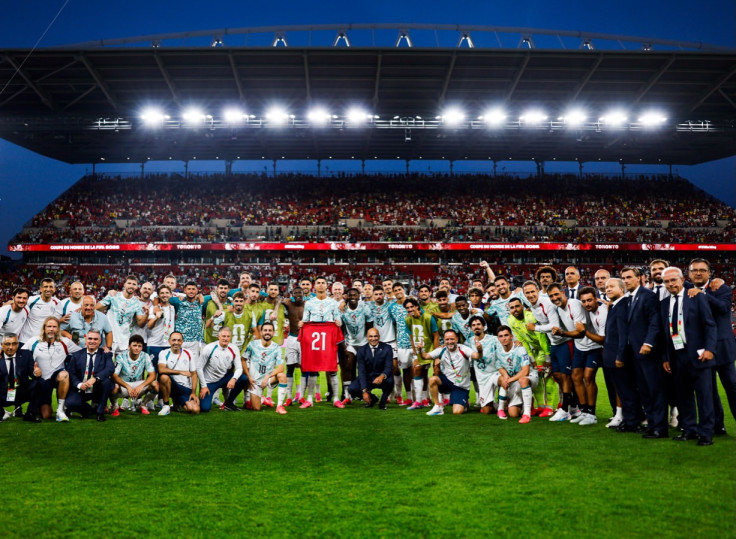
Ahead of the Spain clash, Ronaldo confirmed that this World Cup will be his final appearance at football's biggest tournament.
'I won't be more or less Cristiano if I win the World Cup,' he said, while reflecting on a career that has lasted 23 years at international level. He also spoke about enduring constant criticism throughout his career, remarking that people had 'tried to kill me for 23 years'.
Those comments have resonated with supporters, many of whom see the Spain match as another opportunity for Ronaldo to answer critics one final time.
Does Ronaldo Still Belong In Portugal's Best XI?
The answer is more nuanced than either side of the debate often suggests.
Purely from a tactical perspective, Portugal arguably possess younger forwards capable of offering greater pressing intensity and movement over 90 minutes. Against elite opponents, that athletic advantage can be significant.
However, knockout football is rarely decided solely by physical attributes. Experience, composure and finishing remain important, and few players possess those qualities to the same extent as Ronaldo.
Ultimately, the Spain match may not provide a definitive answer, but it could offer the strongest evidence yet. If Ronaldo leads Portugal past one of the tournament favourites, questions about his place in the starting XI will likely fade. If Portugal's attack struggles while Spain's younger stars dominate proceedings, calls for a changing of the guard are likely to grow.
Either way, this meeting is about more than reaching the quarter‑finals. It is also a key moment in assessing whether Portugal's greatest‑ever player remains its best option for the biggest matches of the 2026 World Cup.
© Copyright IBTimes 2026. All rights reserved.