

Sam Altman Among 25 People on Waitlist for 'Fatal' Brain Preservation That Will Keep Them Digitally Immortal
Sam Altman paid a refundable £7,500 deposit in 2018 to join a 25-person waitlist for a 'fatal' brain preservation service.
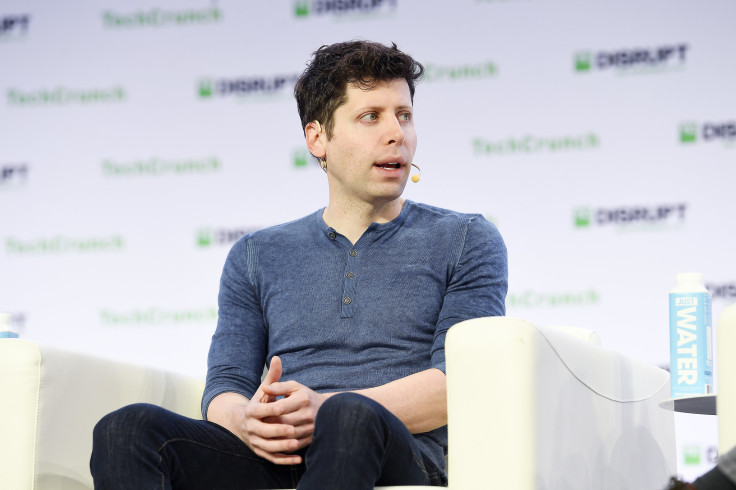
OpenAI CEO Sam Altman is among a small group of tech figures linked to a controversial brain preservation startup, Nectome, which claims it may one day allow human consciousness to be digitally reconstructed—at the cost of death.
The idea, widely reported in 2018, centres on a process described by its creators as '100 percent fatal,' raising ethical questions that continue to shadow the concept of 'mind uploading.'
The discussion first emerged after MIT Technology Review reported that Nectome, a startup backed by the prestigious Y Combinator accelerator, was offering a waiting list for people willing to pay a refundable deposit of around £7,500 ($10,000) for future access to its service. The company's pitch was simple but extreme: preserve the brain in such precise detail that it could potentially be simulated later as a digital mind.
How Does Brain Preservation Work?
To start, Nectome's process uses a high-tech form of embalming called aldehyde-stabilised cryopreservation. The goal is not to keep a person alive. Instead, it is to preserve the brain in very fine detail, including the tiny connections between brain cells, known as the connectome.
Some researchers believe that if these connections can be mapped clearly enough, scientists might one day be able to rebuild parts of a person's memory or personality in a computer.
The company's co-founder, Robert McIntyre, described the process very directly. He said it would feel 'identical to physician-assisted suicide.' This is because the brain has to be preserved while the person is still alive, at the exact moment the chemicals are used.
MIT Technology Review reported that the process involves connecting a person to a machine that pumps these chemicals through the brain under medical supervision. Supporters say this is similar to end-of-life care. Critics point out that the result is always death, which makes the idea highly controversial.
The idea of saving the mind digitally is not new. Groups like the Alcor Life Extension Foundation have already stored human bodies in liquid nitrogen for years.
However, Nectome's method is different. It does not aim to bring the body back to life. Instead, it focuses only on saving the brain's structure, in the hope that it can be used later.
Altman Among 25 People on the Wait List
Altman was among approximately 25 people who signed up for the startup's waiting list. Mashable reported that he is said to have placed a refundable deposit while expressing interest in the long-term possibility of mind uploading, a concept popular in transhumanist and futurist circles.
The list also included other early supporters of Silicon Valley's life-extension movement, though the company emphasised that the service itself was not yet available.
Experts quickly criticised the idea. Some said it was dangerous because it mixes scientific research with something very serious—ending a person's life. Others doubted it would ever work, since scientists still don't fully understand how the human mind or consciousness actually works.
Even with the criticism, the company still received funding and interest from researchers. Supporters argued that even if 'mind uploading' never happens, studying and preserving the brain in detail could still help science.
Critics were much harsher. They said the idea sounds more like a risky theory than real technology, especially since it involves death with no guaranteed result.
Recent Developments on Nectome's Idea
Recent research has added some context to Nectome's claims, though it does not prove its core idea. A new study reported by New Scientist shows that scientists have made progress in preserving mammal brains with extremely great detail, keeping their structures almost perfectly intact. This uses a method similar to the one Nectome is based on, suggesting the science behind brain preservation is improving.
However, the brain remains dead after the process, and there is still no evidence that memories or consciousness can be recovered or turned into a digital mind. In simple terms, while scientists may now be better at preserving the brain's structure, they still cannot 'bring it back' or recreate a person from it.
As of writing, there have been no widely confirmed public updates showing that Nectome has successfully delivered its brain preservation service or moved beyond the experimental stage. The company largely faded from mainstream headlines after the initial backlash in 2018. There is also no verified evidence that human mind uploading has become possible or that any preserved brain has been turned into a digital consciousness.
In simple terms, the idea still exists, but the science has not caught up to the promise.
© Copyright IBTimes 2026. All rights reserved.