

Sara Boustany Explains Elise's Sexuality in 'The Body': A Closer Look Beyond the Backlash
Boustany's comments on Elise's sexual fluidity explore biphobia, queer erasure, religious expectations and identity
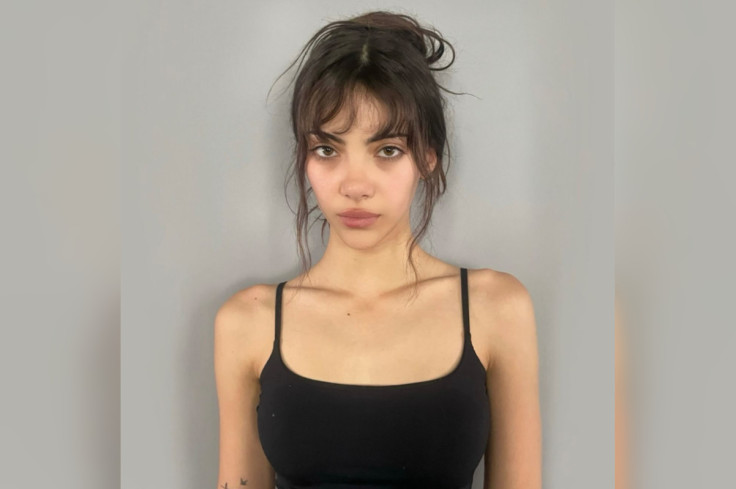
Sara Boustany's interpretation of Elise Zakaria as sexually fluid in Netflix's The Body offers an opportunity to examine sexuality beyond labels. Her interpretation raises important questions about biphobia, religious expectations and why someone's capacity to love should not be measured by the genders they find attractive.
Set in 2004, the series explores queer adolescence within a conservative Catholic-school environment. Elise's journey reflects the complexities of discovering one's identity while navigating faith, societal expectations and fear of judgement.
Sara Boustany Explains Why Elise Is Sexually Fluid
Speaking to Elite Daily, Boustany explained that Elise's sexuality was established alongside creator Quinn Shephard and co-showrunner Gina Gammell.
'I don't think she's exclusive to women,' she said, describing a character whose attraction is not confined to one gender.
Boustany also discussed scenes involving Elise and Tyler Flores that did not appear in the final cut. Their removal meant audiences primarily witnessed Elise's relationship with Anya Butler rather than the full range of her romantic experiences.
Why Being Bisexual or Fluid Does Not Make Elise Less Queer
Biphobia involves prejudice against bisexual people, including assumptions that their sexuality is confused, temporary or less legitimate. Bisexual erasure occurs when attraction to multiple genders is dismissed or invalidated.
In Season 1, Episode 2 of The Body, Elise states, 'I like who I like,' reflecting her openness to attraction without needing a fixed label. Her feelings for Anya remain genuine regardless of whether she experiences attraction towards other genders.
Being bisexual or sexually fluid does not make someone's love for a woman any less real, meaningful or deserving of recognition. Loving a woman does not become less queer simply because someone may also experience attraction to men, nor should that possibility diminish the authenticity of a sapphic relationship.
During the early 2000s, bisexual and sexually fluid identities were also subject to prejudice and erasure. These experiences demonstrate why acceptance should not depend on whether someone's sexuality fits a particular label.
How Religion and Society Complicate Queer Self-Discovery
The show's Catholic-school setting reflects how religious teachings and societal expectations can complicate queer self-acceptance. For young people in conservative environments, recognising their sexuality may involve navigating shame, personal beliefs and fear of judgement.
According to Netflix Tudum, Shephard drew inspiration from her experiences exploring sexuality, while Gammell examined the tension between individual identity and belonging.
Boustany similarly explained that Elise experiences shame differently from Anya. Although Elise appears more comfortable acknowledging her attraction, understanding one's feelings does not necessarily eliminate the pressure to conform.
Why Understanding Elise Means Looking Beyond Sara Boustany
Boustany originally auditioned for Anya before Shephard recognised her suitability for Elise. The casting decision allowed her to explore a character whose confidence coexists with emotional vulnerability.
In an interview with Teen Vogue, Boustany and Kristina Bogic discussed their interpretations of the characters and the emotional complexities surrounding their relationship.
Portraying Elise requires understanding experiences that Boustany does not necessarily share personally. Her interpretation of a fictional character should therefore be distinguished from assumptions about her sexuality, religion or personal beliefs.
Ultimately, The Body explores the complexities of queer identity and self-acceptance. Elise's sexual fluidity does not diminish her love for Anya; it reinforces that the authenticity of someone's love is defined by their feelings and commitment, not by the limits of their attraction.
© Copyright IBTimes 2026. All rights reserved.