Flash Flood Warning: Severe Rain Has Ended in Collin and Denton Counties, But Flooding of Low-Lying Areas Still Persist
Flash floods continue to impact North Texas and Midwest regions as storm systems overwhelm drainage systems, prompting safety warnings.
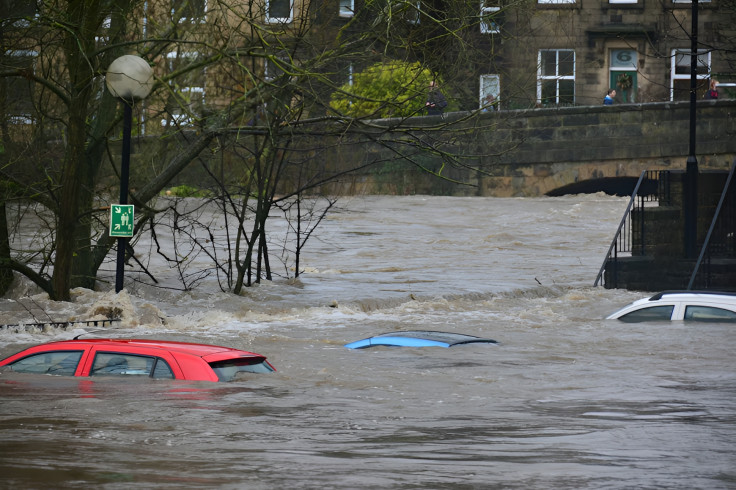
Severe rain has ended across parts of Collin and Denton counties in North Texas, but flooding continues to affect low-lying areas as runoff from earlier storms continues to overwhelm drainage systems, according to the National Weather Service in Fort Worth. Officials said the heaviest rainfall had moved out of the region, although residual flooding remained active in several neighbourhoods.
Flash flood warnings were issued on Tuesday across Collin, Denton, Dallas and Tarrant counties after repeated thunderstorms moved across North Texas. The National Weather Service reported that slow-moving storm cells produced intense bursts of rainfall, overwhelming urban drainage systems and prompting emergency alerts across the Dallas–Fort Worth metro area.
Flash Flood Warnings Sweep North Texas and Midwest
The National Weather Service confirmed that rainfall rates in parts of Collin and Denton counties reached levels capable of producing rapid street flooding, particularly in low-lying and poorly drained areas. Some warnings remained in effect for several hours as additional storm cells developed and moved across the region.
Communities including Dallas, Fort Worth, Arlington, Plano, Frisco, McKinney, Denton and surrounding cities experienced road closures and rising water levels during peak rainfall. Officials urged residents to avoid travel unless necessary, warning that even shallow moving water could create life-threatening conditions.
Meteorologists also noted that the same storm system stretched beyond Texas, triggering flash flood watches and warnings across parts of Indiana, Illinois and Kentucky. In several Midwestern counties, repeated rounds of thunderstorms produced heavy rainfall rates, with concerns over rising creeks, saturated ground and overwhelmed drainage systems.
Indiana Flood Risk Grows as Storms Move East
In central and southern Indiana, forecasters reported rainfall rates reaching 1 to 2 inches per hour during the strongest storm periods, with isolated areas expected to see additional rainfall before the system fully cleared.
Emergency management officials placed multiple counties under severe weather advisories as flood watches remained active into Wednesday afternoon. Authorities warned that already saturated ground from previous rainfall events increased the likelihood of flash flooding even after storm intensity began to ease.
Across Illinois and the Metro East region near St. Louis, forecasters also warned of further thunderstorms, hail and lightning as a cold front moved through the region. The National Weather Service said additional bursts of rainfall could develop before conditions begin to stabilise later in the week.
Safety Warnings Issued as Officials Urge Drivers to Avoid Floodwaters
Meteorologist Mark Fuchs urged drivers to avoid flooded roads entirely, warning that conditions can change quickly and water depth is often difficult to judge once flooding begins.
Emergency officials across multiple states repeated similar warnings, stressing that most flood-related deaths occur in vehicles. The National Weather Service stated that as little as 6 inches of moving water can knock a person off their feet, while 12 inches can carry away most vehicles.
Authorities also warned of hydroplaning risks, reduced visibility and sudden water pooling on highways during heavy rainfall. Drivers were advised to slow down, avoid standing water, keep headlights on and maintain distance from larger vehicles that can reduce visibility with spray.
Officials added that residents in flood-prone areas should move immediately to higher ground if water levels rise and avoid walking or driving through floodwaters under any circumstances.
Conditions Expected to Remain Unstable Into Midweek
While severe rainfall has ended across parts of Collin and Denton counties, officials said flooding is still ongoing in several low-lying areas as water continues to drain slowly.
Meteorologists said the broader storm system remains active across the central United States, with additional rainfall potential still under observation. Further updates are expected as river levels stabilise and weather patterns continue to shift into midweek.
© Copyright IBTimes 2026. All rights reserved.
- Recommended For You