

'I Can Do Anything': Trump Ignores Doctor's Call to Cancel July 4 Speech Amid Heatwave
A holiday address about American endurance is doubling as a live experiment in how far one ageing candidate can push his luck against the weather.
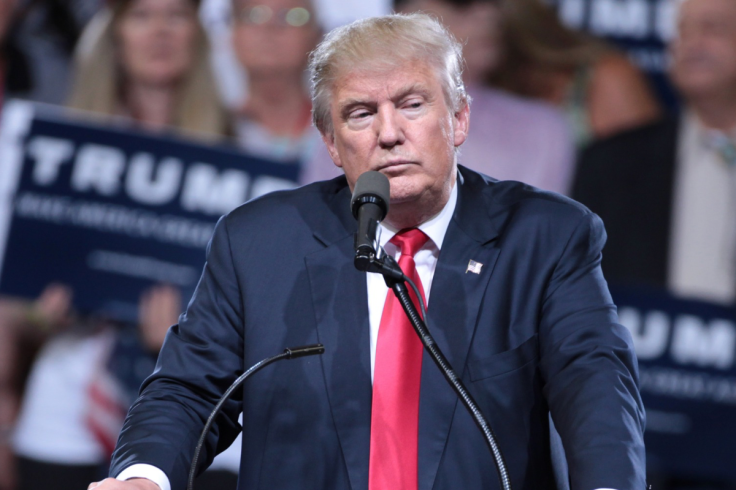
Donald Trump is pressing ahead with a July 4 speech at Mount Rushmore on Thursday night despite a fierce US heatwave and public warnings from a leading cardiologist that the outdoor rally could be medically dangerous for both the president and his supporters.
The July 4 address is billed as a centrepiece of the America 250 celebrations at the South Dakota monument, with Trump scheduled to speak at about 9.45pm local time before a planned fireworks display. The event will unfold as large swathes of the United States grapple with extreme temperatures, with forecasts suggesting conditions at Mount Rushmore could still feel punishingly hot even after sunset.
Trump Heatwave Speech Becomes a Test of Stamina
The concern about Trump's heatwave speech was sharpened by his own remarks at the opening ceremony for the Theodore Roosevelt Presidential Library, where he appeared to treat the brutal forecast as a challenge rather than a caution.
'By the way, on July 4th, it's going to be approximately 107 degrees out. I'm going to go, and I'm going to make a really long speech just to show that I can do anything,' Trump told the audience.
Those lines, part bravado, part campaign theatre, lit up social media and handed doctors a specific scenario to worry about. Extreme heat is known to heighten the risk of dehydration, heat exhaustion and heatstroke during mass outdoor gatherings, particularly for older adults. Trump is 80.
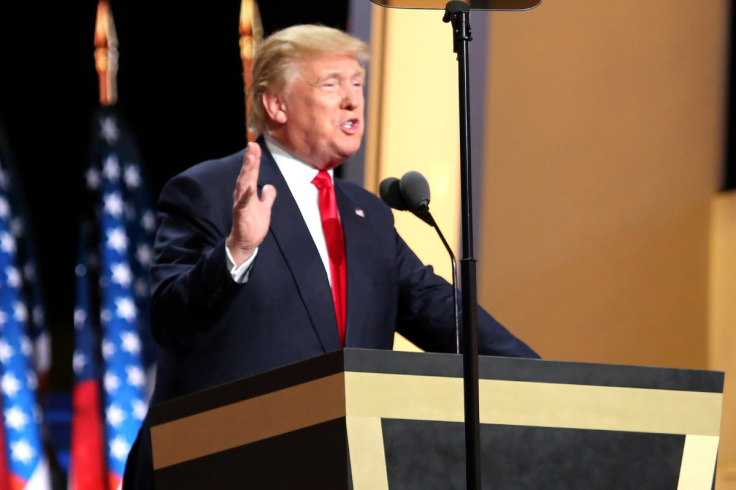
Washington DC-based cardiologist Dr Jonathan Reiner, who has previously served as a medical analyst for CNN, went public with his alarm. Posting on X, he pointed back to a high-profile decision last year to scrap an outdoor inauguration ceremony because of dangerously low temperatures, arguing that similar logic should apply in the other direction.
'The same way the outdoor inauguration was canceled last year because of the cold,' Reiner wrote. 'The rally on the Mall this July 4 should be canceled because of the intense heat (> 100 degrees). Dangerous weather and large crowds are a bad combination.'
Reiner's intervention drew quick support from users who were less worried about political optics than basic biology. 'I don't think there's any chance of any large crowds being there, but you're right, it should be canceled,' one X user replied. Another added, drily, 'Yeah, it would be terrible if anything happened to an elderly speaker.'
The White House has not issued a detailed public response to Dr Reiner's specific comments, and there is no indication that Trump has heeded any medical advice to shorten or scrap the Mount Rushmore appearance. On the contrary, his promise of a 'really long speech' suggests he views the conditions as another test of endurance to be passed in full view of the cameras.
Medical Concerns Collide With Political Theatre
The Trump heatwave speech has turned into a small case study in how modern US politics shrugs at physical limits. Independence Day addresses are supposed to be patriotic pageantry. This one, at least on paper, is also a live stress test for an octogenarian candidate who has repeatedly framed his own stamina as proof of fitness to serve.
To recall, outdoor political events in the United States have been adjusted or abandoned before because of weather. Dr Reiner referenced the decision to cancel last year's outdoor inauguration ceremony due to extreme cold. The medical logic is not exotic. Whether the risk is frostbite and hypothermia or dehydration and heatstroke, prolonged exposure to severe conditions can push people with underlying health issues over the edge.
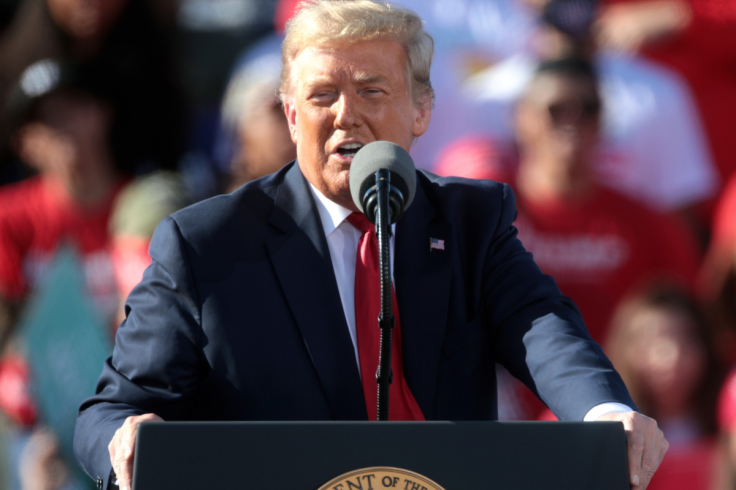
Heat, however, is often taken less seriously until it is too late. Public health agencies have long warned that older people, those with cardiovascular conditions and anyone standing in packed crowds for extended periods are at higher risk. In simple terms, if you are sweating in a field, slightly dizzy and miles from proper shade or medical care, things can go south fast.
Large gatherings add an extra layer. Crowds can make it harder to move people quickly to cooler spaces, harder for medics to pick out someone in trouble and harder for individuals to leave without losing their place or their friends in the crush. That is why Reiner described heat and large crowds as a 'bad combination': he was not being poetic, just blunt.
The Trump campaign has not outlined specific mitigation measures for the Mount Rushmore event, such as water distribution points, cooling tents or shortened programme timings. IBTimes UK cannot independently verify whether such preparations exist behind the scenes, so take everything lightly. Officials overseeing the wider America 250 celebration have also not commented publicly on whether the forecast temperature could alter the schedule.
What is clear is that Trump does not intend to scale back his own performance. His boast that he could 'do anything' by speaking at length in 107 degree heat was aimed at supporters who relish his disregard for convention and, occasionally, for expert advice. It is the same streak that has driven past clashes over masks, Covid rules and even basic health disclosures.
That attitude plays well with part of the electorate, the segment that hears every medical warning as an elite attempt to spoil their fun or undermine their champion. For others, including some of those replying to Dr Reiner, the whole thing looks needlessly risky. The United States has plenty of ways to mark Independence Day that do not involve watching an 80‑year‑old on stage in sauna conditions, no matter how historic the backdrop.
Still, the symbolism of Mount Rushmore on 4 July is hard for any ambitious politician to resist. Trump's team clearly believes the optics of fireworks, flags and stone presidents outweigh the downside of a sweltering crowd and a doctor shaking his head online. Whether the heatwave agrees is another question entirely.
© Copyright IBTimes 2026. All rights reserved.