Is Elon Musk Still a Trillionaire? SpaceX Filings Reveal Businessman Racked Up $12.7bn AI Bill Before Stock Plunge
SpaceX's AI investments and stock market volatility impact Musk's wealth
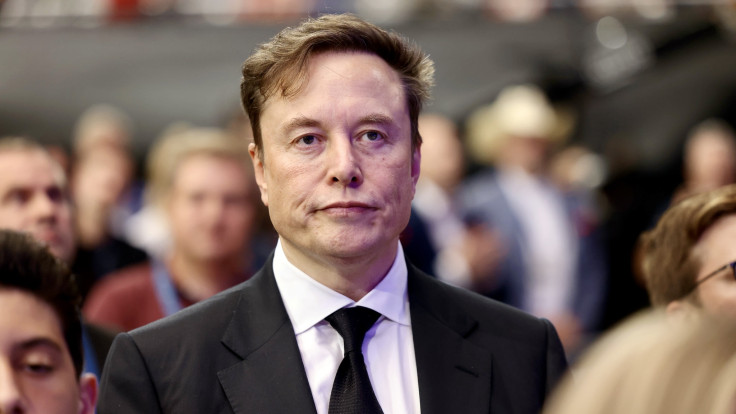
Elon Musk is no longer a trillionaire, with his net worth dropping to about $957 billion on Tuesday in the United States after a sharp stock plunge in Tesla and SpaceX, according to Bloomberg's Billionaires Index and fresh SpaceX filings that show a $12.7 billion AI bill weighing on the business.
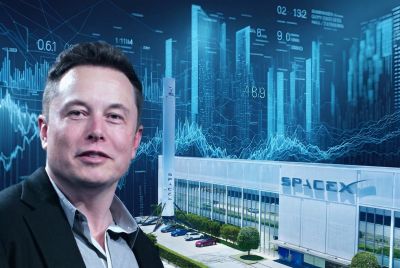
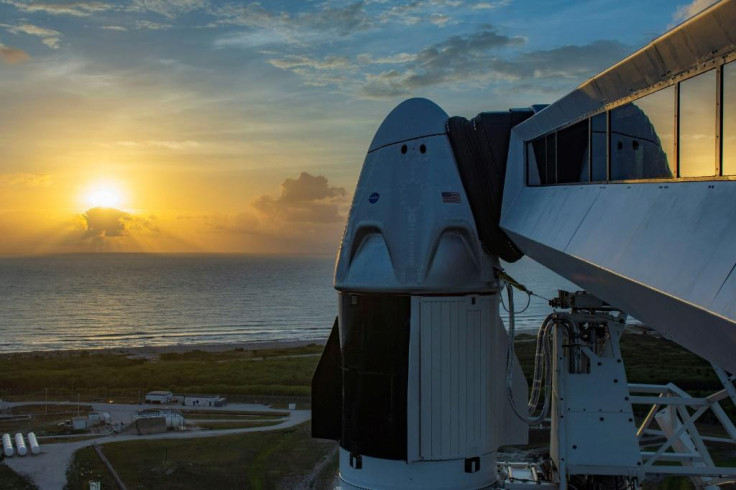
Musk briefly crossed the trillionaire line earlier this month when SpaceX staged its long-awaited initial public offering in the US. The rocket company, long treated by investors as the crown jewel of his empire, was valued at more than $2 trillion after its historic market debut. Retail traders piled in, the share price took off, and Musk's paper wealth followed, driven overwhelmingly by his SpaceX stake rather than Tesla or his other ventures.
SpaceX Filings Expose $12.7bn AI Bill Behind the Valuation Hype
The news came after SpaceX's S-1 registration filing, submitted ahead of the IPO, laid out a far messier financial picture than the sci-fi narrative around the company might suggest. The document revealed that SpaceX recorded a $4.9 billion loss in 2025, with its artificial intelligence arm alone racking up $12.7 billion in capital expenditure.
Those AI investments, tied to ambitious plans for data centres in space and AI-driven connectivity, have been central to the frothy valuation story around SpaceX. Investors have effectively been betting that Musk can turn eye-watering spending into an AI-powered space infrastructure business, not just a rocket launch provider. The filings show how aggressive that bet really is.
On the stock market, SpaceX shares closed at about $156 on Tuesday, more than 30% below an intraday peak of $225 recorded on 16 June, although still modestly above the $150 level at which they began trading on 12 June. That kind of whiplash is not unusual for a newly listed tech stock, but when the founder is the richest person on the planet, swings in the share price instantly become personal.
Musk has not provided detailed public commentary regarding either the level of AI-related expenditure or the post-IPO decline in SpaceX's share price. Similarly, SpaceX has not released an updated statement specifying the timeframe within which its AI operations are expected to cease generating negative cash flow. Consequently, investors are currently required to rely heavily on management's assurances, a dynamic consistent with patterns observed in Musk's investor relations over the past decade.
AI Jitters, Stock Sell-Off and a Trillionaire Status Gone
The latest slide in Musk's wealth is not about SpaceX alone. Tech stocks more broadly have been under pressure in recent days amid growing fears that the AI boom is turning into a bubble, alongside jitters about a potential rise in interest rates. In that environment, companies seen as expensive or heavily reliant on long-term hype, rather than near-term profits, are getting hit hardest.
Musk's stake in the electric carmaker, valued at around $158 billion as of Tuesday, has also declined, trimming another slice off his fortune. But it is SpaceX that really moves the needle. According to Bloomberg's calculations, his SpaceX shares were worth about $744 billion on Tuesday and made up nearly 80 per cent of his total net worth.
The trillionaire label barely had time to settle in. It was only days ago that social media users were swapping memes and wild charts about Musk being 'the world's first trillionaire,' evidence, for some, that the AI and space race has gone completely off the rails. The quick reversal will fuel critics who have argued that SpaceX's valuation had drifted too far from reality, driven more by Musk's cult-like following than by fundamentals.
Some analysts, cited in the coverage of SpaceX's IPO, have questioned the company's sky-high price tag and its sprawling to-do list, which includes everything from putting humans on Mars to building orbital data centres. The S-1 filing did not dispel those doubts. Instead, it confirmed that the company is spending staggering sums on ventures that, for now, are pure cost.
Once the IPO lockup period expires and early investors as well as long-time employees are free to sell their shares, the market will get its first real sense of whether there is lasting conviction behind the $2 trillion-plus valuation, or whether a lot of shareholders are itching to cash out.
Musk Is Still Far Ahead of His Rivals, for Now
Musk's fortune, even shorn of its trillionaire gloss, remains on an entirely different level to that of his rivals. Bloomberg's numbers suggest that he is around $660 billion richer than Google co-founder Larry Page, the second name on the index. Put a different way, the gap between Musk and Page is roughly equivalent to more than two Jeff Bezoses.
That comparison underlines an awkward point. Musk can lose more on paper in a bad trading session than many other billionaires have made in their entire careers, and still be comfortably ahead. The psychological hit of dropping out of the trillionaire club, if it bothers him at all, is unlikely to alter how he runs SpaceX.
Market veterans will also point out the obvious. Asset prices move, often violently, and fast-growing tech companies are especially prone to huge swings. If SpaceX shares recover in the coming weeks or months, Musk's net worth will bounce too, potentially pushing him back over the trillion mark without any major change in the underlying business.
© Copyright IBTimes 2026. All rights reserved.
- Recommended For You