

Former Marco Rubio Adviser Raises Trump Impeachment and Removal After NVIDIA CEO's Reinstatement
Nunziata questions whether Trump's role in Huang's return sets a precedent for presidential influence over private companies
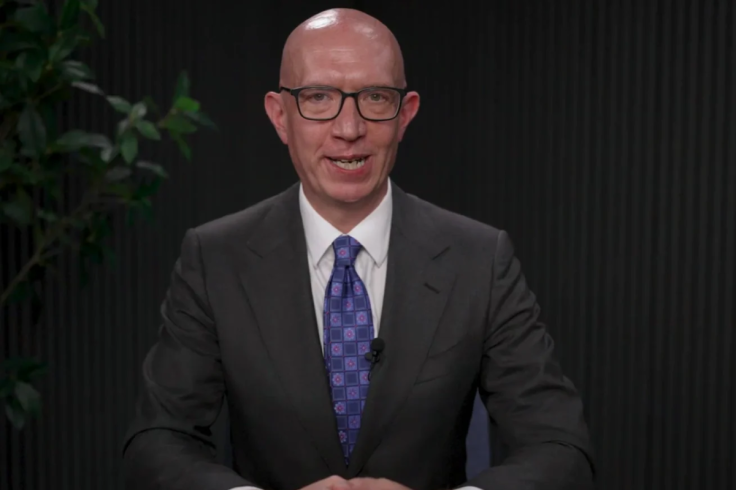
A former adviser to Marco Rubio has argued that impeachment and removal are the constitutional remedies if President Donald Trump's intervention in NVIDIA's leadership is judged to amount to serious executive misconduct. His warning comes as lawmakers prepare to question chief executive Jensen Huang over national security concerns that remain unresolved despite his return to the company.
Gregg Nunziata, who previously served as general counsel and domestic policy adviser to Rubio, made the argument in an X post on 24 November. He said the US Constitution's founders intended impeachment to remain available when presidential conduct threatened constitutional government.
'Assume the worst on the Nvidia/Trump/Huang business,' Nunziata wrote. 'The only solution the Founders give us for something like this is impeachment and removal.'
His statement is a call for constitutional accountability, not an announcement that impeachment proceedings have begun or a legal finding that Trump has committed an impeachable offence.
Assume the worst on the Nvidia/Trump/Huang business. The only solution the Founders give us for something like this is impeachment and removal. When we take impeachment off the table, as we effectively have, we leave open a wide field for ruinous executive misconduct.
— Gregg Nunziata (@greggnunziata) November 24, 2026
Why Nunziata Is Raising Impeachment
Nunziata is executive director of the Society for the Rule of Law. His professional background includes work as chief nominations counsel to the Senate Judiciary Committee and policy counsel to the Senate Republican Policy Committee, before serving as Rubio's general counsel and domestic policy adviser.
His intervention shifts attention from NVIDIA's internal leadership decision to the limits of presidential influence over private companies. Trump told CNBC that he had spoken to NVIDIA directors and 'convinced them' to reinstate Huang. He also said he had 'made the deal', publicly taking credit for the executive's return.
The constitutional concern raised by Nunziata is whether presidential influence over a major company's board could create a precedent for executive pressure in private-sector decisions, particularly where national security is involved.
NVIDIA's Board Reinstates Huang Amid Unfinished Reviews
NVIDIA announced on 23 November that its board had unanimously reinstated Huang as president, chief executive, and a director. The company said directors had received input from senior US government officials and were confident his return posed no national security risk.
However, the board also confirmed that an independent investigation into reports that Huang had been targeted by a foreign intelligence effort would continue. NVIDIA has established a separate National Security and Export Control Committee and is recruiting a chief compliance officer.
The continuing reviews matter because lawmakers have raised questions about export controls and the potential transfer of advanced US chips to Chinese entities. These concerns remain under investigation and do not establish that Huang or NVIDIA committed an offence.
Congress Keeps Pressure on the Administration
Republican Senator Kevin Cramer said national security safeguards remained necessary despite accepting the president's decision. 'We have to put guardrails around to protect the United States of America,' he told CNBC.
Former Obama administration official Richard Stengel also criticised the apparent prioritisation of corporate interests over national security, arguing that directors have responsibilities beyond maximising shareholder value.
Congressional scrutiny is continuing. Huang is scheduled for transcribed interviews on 1 December with three House panels: the Foreign Affairs Committee, the Select Committee on the Chinese Communist Party, and the Intelligence Committee. The Senate Banking Committee has also scheduled him to testify on 3 December at a hearing on US export controls.
Nunziata's call does not itself trigger impeachment. The House of Representatives would first need to approve articles of impeachment by a simple majority. A Senate trial would follow, with conviction and removal requiring the support of two-thirds of senators present.
For now, the dispute is developing through congressional oversight and continuing investigations. Whether those inquiries uncover evidence of misconduct, and whether lawmakers consider it serious enough to pursue impeachment, remain open questions.
© Copyright IBTimes 2026. All rights reserved.