

Sting Claims 'Loss of Manual Jobs' May Be Fueling Toxic Masculinity—'What Are We Men Without a Ship?'
The musician reflects on the social impact of deindustrialisation as 'The Last Ship' returns to the West End.
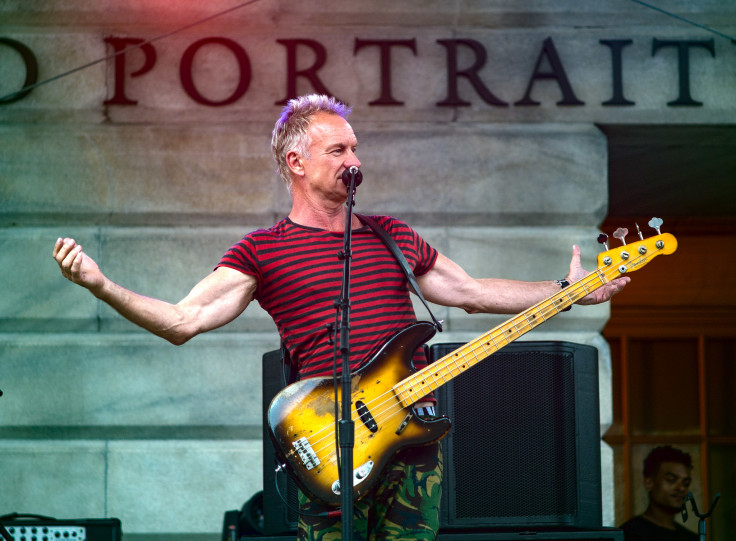
Sting has linked the rise of toxic masculinity to the collapse of Britain's industrial workforce, arguing that generations of men lost not only jobs but also identity, purpose and an outlet for physical labour. The singer's remarks arrive as his long-running musical 'The Last Ship' prepares for a major West End return this autumn.
Speaking ahead of the production's run at London's Theatre Royal Drury Lane, Sting reflected on the social fallout of deindustrialisation in the north-east of England, where he grew up around the shipyards of Wallsend. The musician points out what happens when communities built on skilled labour are dismantled without replacement.
'I work with my hands every day as a musician, and I'm lucky,' he told the Guardian. 'It's a rare thing for modern men to actually use their hands and use their strengths to do anything. We've lost something there.'
He went further, suggesting modern society may still be dealing with the emotional and cultural aftershocks of that collapse.
'I don't have any answers, but maybe the toxicity in society at the moment is [a result of the fact] that we've lost that direction for our energy, that male strength. It's rare we have to use it.'
A Musical Built From Industrial Decline
'The Last Ship' has always been deeply personal for Sting. First staged in Chicago in 2014 before moving to Broadway, the musical centres on workers facing the closure of a shipyard modelled on Swan Hunter, the famous Tyneside yard that shaped the economy and identity of the region for decades.
Men in the story wrestle with redundancy, pride and the sudden disappearance of a trade that defined entire families. One line from the show cuts directly to the core of Sting's argument. 'For what are we men without a ship to complete?'
Britain's industrial decline has long been analysed in economic terms, but Sting argues the closure of shipyards, steelworks and coal mines stripped away forms of communal purpose that were never properly replaced.
'Britain's wealth was created in the coalfields and the steel towns and the mill towns and the shipyards,' he said. 'All of those skill sets were thrown on the scrapheap ... for Thatcher's dream of a service economy.'
Debates around masculinity, alienation and economic insecurity have become increasingly volatile in Britain and elsewhere, particularly among younger men navigating insecure work and fragmented communities.
No Romanticism About The Shipyards
Sting stops well short of romanticising Britain's shipyards. The industry that shaped his childhood was notoriously dangerous, with workers routinely exposed to asbestos, toxic chemicals and deadly accidents.
'I'm the guy who didn't want to work there and for good reason,' he said. 'The civic pride was massive,' Sting said, recalling the atmosphere in Wallsend despite periods of hardship and unemployment.
Reviews were mixed and the show struggled commercially, especially compared with British exports such as Billy Elliot or Kinky Boots, both of which arrived with clearer commercial hooks.
Still, the musical survived and toured internationally, underwent rewrites and evolved creatively. A revised book by playwright Barney Norris helped reshape the production, while later runs received warmer critical receptions.
When it reached Newcastle in 2018, Guardian critic Michael Billington praised its choral writing as the strongest heard in a British musical since Howard Goodall's 'The Hired Man.'
Sting Defends The Harder Creative Route
Looking back, Sting believes part of the challenge came from refusing safer commercial formulas. Rather than adapt an existing story or construct a jukebox musical around Police hits, he chose to build something original from the ground up.
'Those are the easy routes, but I chose the most difficult one and I've enjoyed every minute of it,' he said. 'It's been incredibly difficult and challenging, but also the most rewarding exploit of my life.'
Sting will also appear in the London production and insists the musical has taken years to find its audience and its voice, but believes it is finally close.
Away from the stage, the singer remains locked in a High Court dispute with former Police bandmates Stewart Copeland and Andy Summers over alleged unpaid royalties. The court has heard Sting has paid more than £500,000 to the pair since proceedings began.
Asked about the case, he offered only a curt response. 'It doesn't make any sense.'
'The Last Ship' runs at Theatre Royal Drury Lane from 22 September to 3 October, with tickets going on sale on 28 May.
© Copyright IBTimes 2026. All rights reserved.