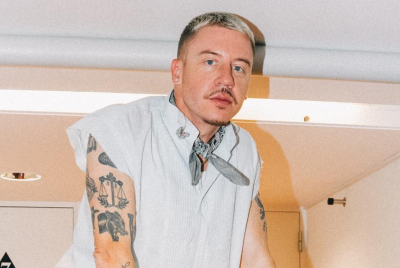
Taylor Swift Dragged After Olivia Dean Slashes Prices — Swifties Hit Back With 'Bigger Production'
A rising singer's public push for fair prices has triggered refunds and a platform policy change
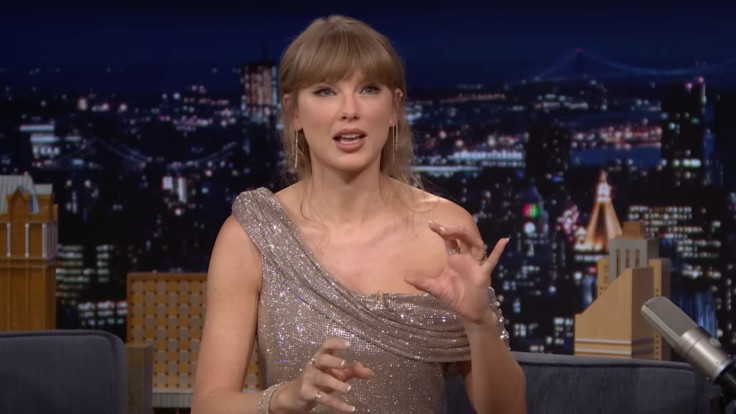
Olivia Dean's public rebuke of ticket resellers has ignited a wider fight over pricing, and fans have suddenly turned the spotlight on the industry's biggest names, including Taylor Swift.
Within 48 hours of the 26-year-old British singer calling out inflated resale listings for her The Art of Loving Live tour, Ticketmaster and AXS agreed to cap resale prices at face value for her North American run and to refund fans who had paid markups.
The swift U-turn has prompted praise for Dean, and renewed scrutiny of megastars who, critics say, could press for similar protection but have not.
Ticketing U-Turn After Public Rebuke
Dean posted an impassioned message to social media after fans found resale listings for her shows at 'eye-watering' levels, some appearing for more than $1,000 (around £800). 'You are providing a disgusting service', she wrote, tagging Ticketmaster, Live Nation, and AEG, and demanding change.
Within days, Ticketmaster activated a Face Value Exchange for the tour and promised partial refunds for resale markups purchased on its site. The company's press release said it would cap future resale activity on its platform at face value and absorb the cost of refunds.

Ticketmaster's statement framed the move as 'supporting Olivia Dean's commitment to fair ticket pricing' and said the Face Value Exchange, first introduced in 2019, would be applied 'effectively immediately' for the run. The company also called for broader industry reforms, urging lawmakers to consider resale caps and verified resale mechanisms.
Fans Compare Big Acts as Debate Intensifies
The speed and apparent success of Dean's intervention have fuelled debate on social media about why major acts have not secured similar safeguards. Across threads on X (formerly Twitter), Reddit, and TikTok, fans lauded Dean as 'doing for her fans what bigger acts wouldn't' and urged stars such as Beyoncé, Lady Gaga, and Taylor Swift to follow suit.
Several posts explicitly contrasted Dean's hands-on stance with the conduct of more established stars, arguing that structural power should be used to protect audiences rather than entrench resale profits.
That reaction has also included pushback from Swift's supporters. Some Swifties have pointed out that the Eras Tour, the benchmark of contemporary pop megatours, deliberately avoided dynamic pricing and placed restrictions on resale in many markets, citing past statements and reporting that Taylor and her team refused Ticketmaster's dynamic-pricing option for the Eras Tour.
Others argue that the systems and contracts surrounding stadium tours make universal fixes harder to achieve, even for the industry's biggest names. Reporting from NME and Wired during the Eras controversy corroborated that Swift's team resisted dynamic pricing ahead of the Eras rollout.
The online spat has crystallised as two competing narratives, one praising the newcomer's activism and another cautioning that the realities of stadium touring, venue agreements, and promoter contracts complicate simple comparisons. Both narratives, however, have pushed ticketing policy back into the headlines.
@evie.magazine Olivia Dean forced a rare concession from Ticketmaster after fans discovered her tour tickets being resold for over $800. She called out the platforms publicly, and within hours they agreed to refund anyone who paid above face value and cap all future resale prices at the original cost. Fans praised her, but the move also sparked backlash toward major artists, with many arguing that if Dean could get this done, bigger names could have pushed for the same protections years ago. #news #oliviadean #taylorswift #tickets #celebrity #celeb
♬ original sound - Evie Magazine
Industry Pressure and Political Echoes
Dean's case comes against a backdrop of intensifying political and legal scrutiny of the live-ticketing market. Since the chaotic Eras Tour sales in 2022, lawmakers and regulators have probed market concentration at Live Nation/Ticketmaster and the use of bots and dynamic pricing.
Ticketmaster's action on Dean's shows, and its public call for resale caps, will add ammunition to those pushing for statutory changes, including proposals for verified resale and limits on mark-ups.
For campaigners and some artists, the episode demonstrates that artist pressure can force ticketing platforms to act. For others, it highlights the patchwork nature of current protections. Ticketmaster can cap resale on its own platform, but cannot compel other marketplaces to follow suit.
That technical and contractual gap is precisely what critics say requires legislative remedy. Ticketmaster's own release acknowledged that it cannot require other marketplaces to honour an artist's resale preference, even as it urged industry-wide reform.
Olivia Dean's intervention forced an industry response, and the debate it has provoked ensures the question of who pays for live music will not disappear anytime soon.
© Copyright IBTimes 2026. All rights reserved.
- MOST POPULAR IN Entertainment