LA County 82°F Cooling Mandate: Why Tenants Face Higher Electricity Bills Under New Rental Law
Los Angeles County has approved a new law giving tenants in unincorporated areas a legal right to cooler homes, but many renters fear the cost will land squarely on their electricity bills.
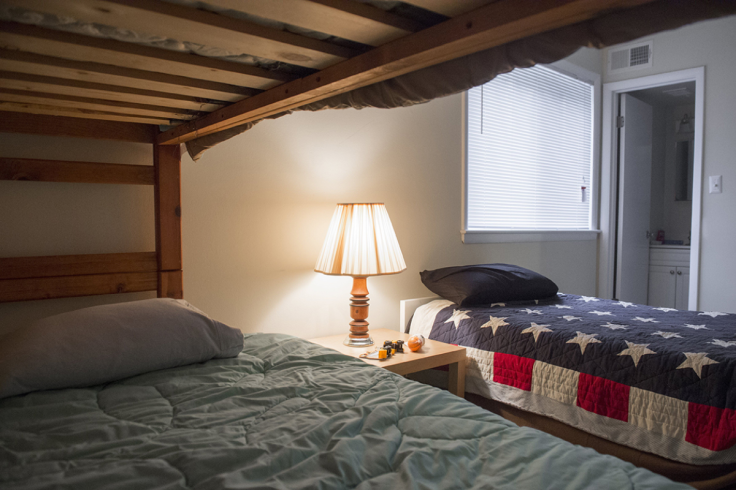
Tenants across unincorporated Los Angeles County will gain a legal right to cooler homes from 1 January 2027, but many are already bracing for higher electricity bills as landlords prepare to comply with a new law requiring rental units to be kept at 82 degrees Fahrenheit or below.
The rule effectively adds air conditioning or comparable cooling to the county's basic habitability standards, putting it on a par with heat and hot water for renters. It follows a series of sweltering summers and mounting evidence that extreme heat is not just uncomfortable but dangerous, particularly for older people, children and low-income households living in poorly insulated properties.
The law, approved by Los Angeles County supervisors for unincorporated areas, covers a vast 2,600‑square‑mile region where county regulations apply directly.
The measure stops short of forcing landlords to install full air conditioning systems in every flat. Instead, they are required to ensure indoor temperatures do not rise above 82F, using what officials describe as 'budget-friendly' interventions where possible.
That could mean fitting blinds or reflective window coverings, adding shade structures, improving ventilation or providing fans, before moving to more expensive mechanical cooling.
County health officials have framed the move as a public health necessity rather than a lifestyle upgrade.
Becky Schlikerman, a spokesperson for the Los Angeles Department of Public Health, said the rollout will be extensive, citing not just installation costs for property owners but the strain that widespread cooling could place on the region's already stressed power grid.
The county is effectively trying to retrofit a cooler baseline into homes not built for sustained heatwaves.

The uncomfortable wrinkle is who pays to keep those homes cool once the systems are in. On that question, there is little ambiguity.
'Any increase in the electric bill related to this cooling is going to fall back on the tenant,' warned Amy Tannenbaum, supervising attorney with Public Counsel's Homelessness Prevention Law Project.
For renters who already allocate a large share of their income to utilities, the prospect of rising electricity bills feels less like a perk and more like another fixed cost they cannot easily avoid.
Electricity Bills at the Heart of LA County Cooling Law
California's record-breaking summer temperatures repeatedly pushed indoor conditions into territory health experts describe as unsafe. Yet the benefit of the new protection will not be evenly shared across Los Angeles County.
The ordinance only covers unincorporated areas, leaving renters in incorporated cities outside its automatic protection.
Los Angeles city officials are not ignoring the issue, but they are moving more cautiously.
The City Council has asked municipal departments to study whether a similar standard should be adopted within city limits. So far, there is no citywide rule on the books, and no firm timeline for when one might arrive. Until that changes, a renter on one side of a city boundary could enjoy a legal right to a cool home while a neighbour a few streets away has no such guarantee.
Even in areas where the law will apply, it is not an invitation to keep the air conditioning running on full blast around the clock.
The 82F threshold is a compromise number, low enough to offer protection from the worst heat, high enough that energy use and costs, in theory, remain manageable.
Whether that balance holds in practice will only become clear when the law takes effect in 2027 and tenants start to see the impact on their electricity bills.
Tenants Gain New Rights, but Also New Responsibilities
Tenants in covered areas whose homes exceed the temperature limit will be able to file complaints with the Los Angeles County Department of Public Health's Rental Housing Habitability Programme. That mechanism is designed to give renters leverage in disputes with landlords who fail or refuse to cool their properties adequately.
Landlords, for their part, will not be fined immediately. Officials say property owners will first be given an opportunity to 'cool things down' and bring units into compliance before facing penalties.
The intention is to correct problems rather than punish, though the effectiveness of that approach will depend heavily on enforcement and the willingness of tenants to come forward.
Legal advocates are already urging renters to treat the new rule as something they may need to prove, not simply invoke.
Tenants are being advised to document all communication with landlords, keep written records of complaints and, crucially, maintain a thermometer to log indoor temperatures.
In disputes over electricity bills and whether a landlord has done enough to comply, that kind of basic evidence could make the difference between a quick fix and a drawn-out argument.
Nothing in the publicly available information confirms how the law will interact with future changes in energy pricing or potential grid constraints. What is clear is that Los Angeles County has decided that tolerating stifling homes in peak summer is no longer acceptable, even if the price of that decision will eventually show up in tenants' monthly electricity statements.
© Copyright IBTimes 2026. All rights reserved.
- Recommended For You