

Tibetan Man Dies After Setting Himself on Fire Outside UN To Protest China's Control Over Ethnic Minorities
The Tibetan activist, Lobga Rangzen, died after self-immolating outside the UN in New York, protesting China's Ethnic Unity Law.

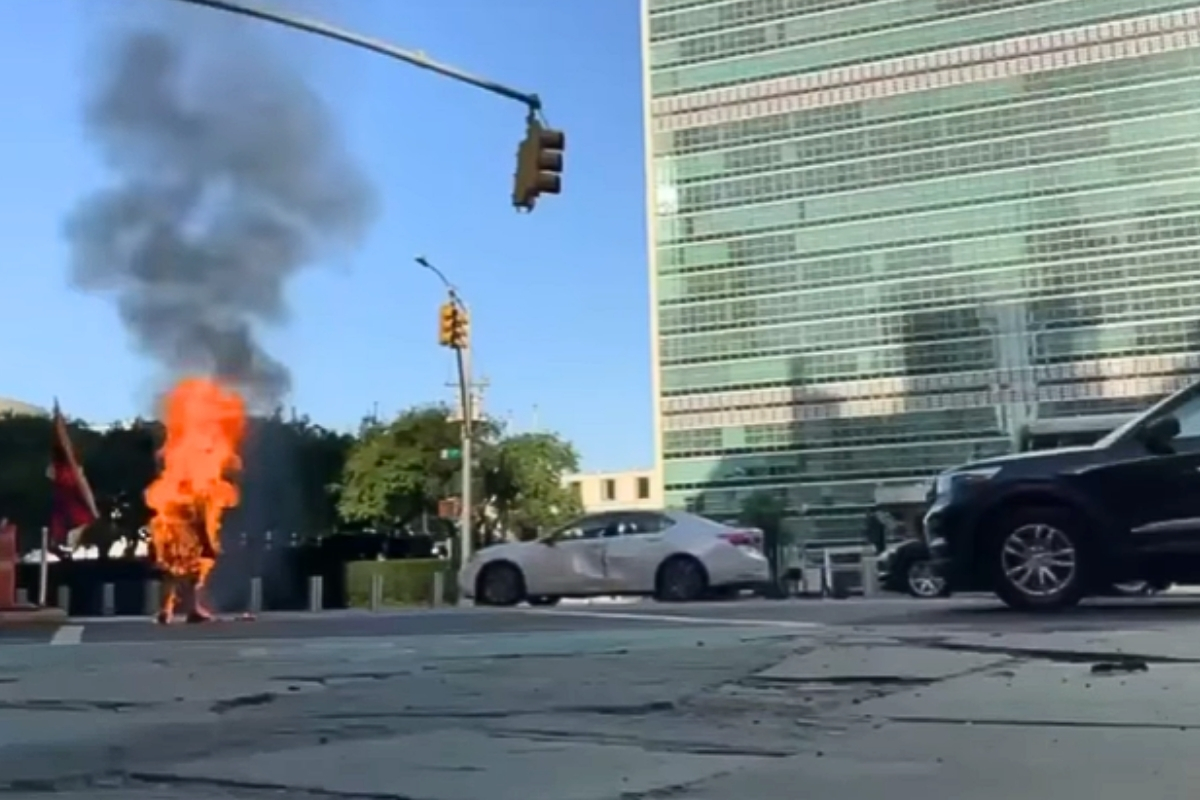
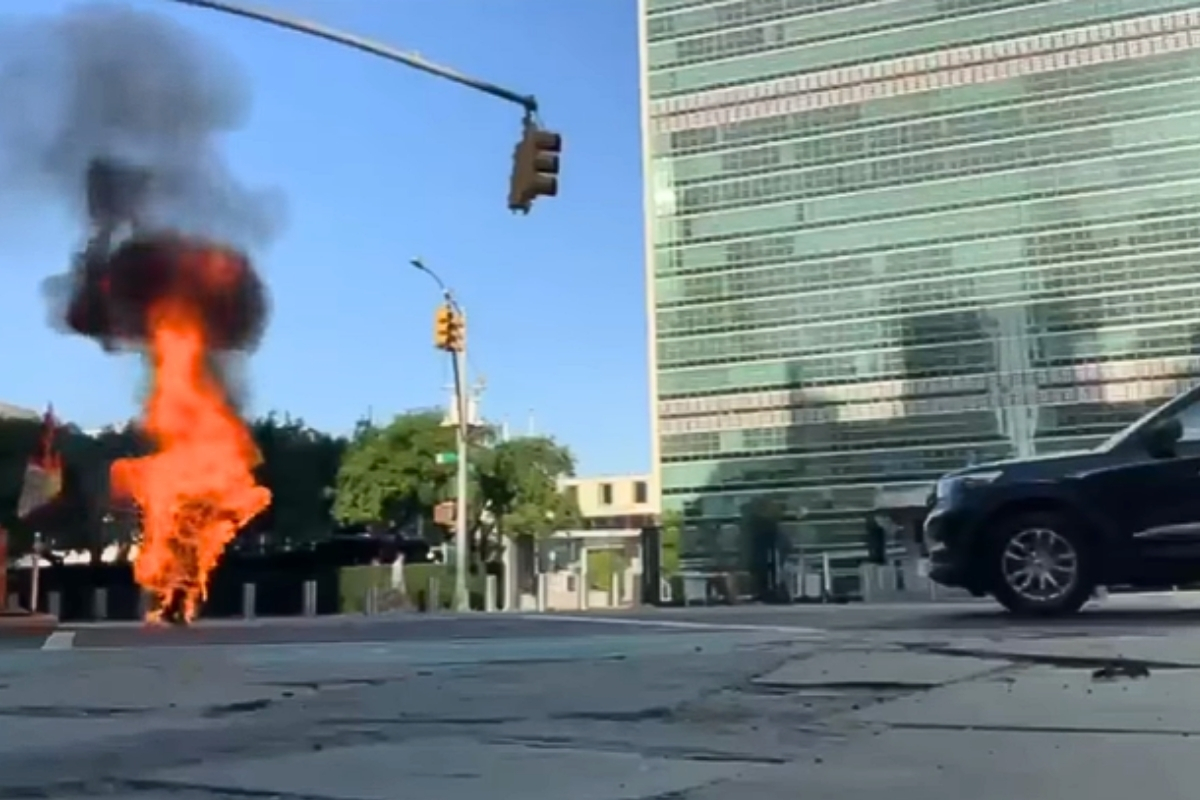
A Tibetan man died after sustaining severe burns outside the United Nations headquarters in New York on Thursday evening, with exiled Tibetan organisations identifying him as activist Lobga Rangzen and saying his actions were intended as a protest against China's rule in Tibet.
The New York Police Department confirmed that officers responded to an emergency call at about 6.30 pm local time and found a man with severe burns, who was later pronounced dead at Bellevue Hospital. Authorities have not officially identified the deceased or confirmed a motive, and the investigation remains ongoing.
The incident came just days after China implemented its new Ethnic Unity Law, legislation that has drawn concern from the United States, the European Union, and several human rights organisations.
Critics argue the law gives Beijing legal authority to strengthen oversight of ethnic minority communities, including Tibetans and Uyghurs, while Chinese officials say it is designed to promote national unity and social stability.
Concerns Over China's Ethnic Unity Law
It was reported that Rangzen had called for Tibetan independence and unity before his death. The organisation identified him as a long-time campaigner for Tibetan rights living in the United States.

According to local outlets, Rangzen worked as an Uber driver and travelled to the area carrying a Tibetan flag. Fellow driver Lobsang Paljor, who said he knew him through New York's Tibetan community, told the publication that Rangzen had become increasingly distressed over restrictions affecting Tibetans under Chinese rule.

China's new Ethnic Unity Law, which came into force this week, establishes a legal framework intended to foster what authorities describe as a shared national identity among the country's 55 officially recognised ethnic minority groups.
The legislation has attracted criticism from Western governments and advocacy organisations, which argue it could further expand state control over minority communities. Tibetans living in exile have been among the most vocal opponents, expressing fears that the law could accelerate policies they believe erode Tibetan language, religion and cultural identity.
Long-Running Dispute Raised by Tibetan
China has maintained control over Tibet since 1950, describing its actions as the peaceful liberation of the region from a feudal system. Beijing has consistently rejected allegations of repression, insisting that its policies have improved economic development, infrastructure, and living standards.
Human rights organisations and Tibetan exile groups strongly dispute that assessment. They accuse Chinese authorities of restricting religious freedom, limiting cultural expression, and imposing extensive surveillance across Tibetan areas. Chinese officials reject those allegations and maintain that measures targeting separatism are necessary to preserve national security and territorial integrity.
The International Campaign for Tibet described Rangzen as 'a tireless advocate for Tibet' and said it was deeply saddened by his death.
The organisation notes that more than 150 Tibetans died in protest-related self-immolation incidents between 2009 and 2022, the vast majority occurring inside Tibet or neighbouring Tibetan regions. According to its figures, 10 such incidents have involved Tibetans living in exile.
The latest death is likely to bring back the attention on the long-running dispute over Tibet, particularly as international governments continue to assess the implications of China's new Ethnic Unity Law. While Tibetan advocacy groups view the legislation as another step towards forced assimilation, Beijing maintains it is intended to strengthen national cohesion and promote equality among the country's diverse ethnic communities.
© Copyright IBTimes 2026. All rights reserved.