

Russia Allegedly Using Young Women Online to Lure Ukrainian Soldiers, Attack Them With Poison
Ukrainian authorities claim Russia recruits young women online to poison soldiers in a coordinated sabotage effort.
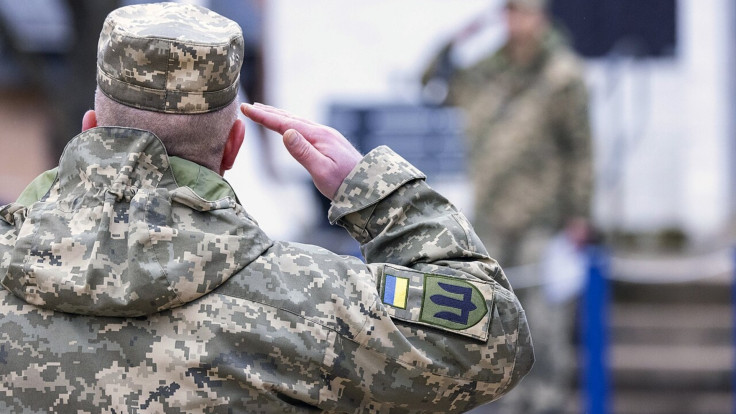
Ukrainian authorities have alleged that Russia is recruiting young women online, including through Telegram, to lure Ukrainian soldiers into dates where they are later poisoned, in what officials describe as a coordinated sabotage tactic linked to the ongoing war.
The claims, which centre on so-called 'honeytrap' operations, suggest that individuals are being offered money and small financial incentives to make contact with servicemen through dating apps and social media, develop personal relationships, and ultimately facilitate attacks using toxic substances.
At least six Ukrainian soldiers are said to have died after being targeted in this way, though investigations are ongoing.
Recruiting Young Women For Covert Operations
According to Ukrainian police chief Ivan Vyhivsky, as cited by The Sun, social media platforms such as Telegram have been used to recruit young women under promises of payment, with handlers allegedly assigning tasks ranging from small courier work to more serious covert activities.
He said young people are among the primary targets of such recruitment efforts, warning that what may appear to be simple online job offers can escalate into involvement in violent operations.
Authorities allege that recruits are instructed to meet Ukrainian servicemen through dating platforms or social networks, establish trust, and then administer toxic substances during private meetings. In some reported cases, substances including methadone or other unidentified toxins were allegedly used.
Vyhivsky described the incidents as organised killings directed by foreign intelligence structures but carried out by Ukrainian citizens. His comments, while not independently verified, reflect growing concern among officials about the use of domestic recruits in hybrid warfare tactics.
Ukrainian officials say financial incentives play a central role in recruitment, with payments reportedly covering rent, alcohol, or day-to-day expenses, creating a pathway for gradual involvement rather than immediate violent instruction.
Poisoning Plots Against Ukrainian Soldiers
Ukrainian authorities have linked several recent criminal cases to the alleged recruitment scheme, including the arrest of a 17-year-old girl in June, accused of poisoning a Ukrainian soldier after contact with a suspected Russian handler.
Investigators claim she was initially given low-level tasks such as transporting drugs before being instructed to form a relationship with a serviceman she later allegedly poisoned during a meeting in a rented apartment. Police said she attempted to present the death as natural causes before her arrest.
In a separate case, a 26-year-old woman from Zaporizhzhia is also suspected of involvement in a similar incident in April. According to Ukrainian media cited in the report, she allegedly created a dating profile at the direction of an operative, met a Ukrainian soldier, and later poisoned his drink during a meeting.
Authorities said the original aim in that case may have been to access information stored on the soldier's phone while he was incapacitated. The serviceman died hours after the encounter. The suspect is now facing charges, including high treason under martial law, which could carry a life sentence if proven.
Ukrainian security officials say at least one attempted plot was disrupted before it could be carried out, though details remain limited.
The 'Honeytrap' Operation and the Promise of Earning
Officials in Kyiv say the alleged honeytrap operations form part of major recruitment targeting civilians, particularly younger users active on messaging platforms. Ukrainian security services (SBU) claim that individuals are often drawn in through promises of quick earnings before being gradually directed into more dangerous assignments.
It was previously reported that around 21 per cent of those arrested in Ukraine for alleged collaboration with Russia in 2025 were teenagers, highlighting concerns about the scale of youth involvement in alleged espionage or sabotage-related activity.
Authorities continue to investigate multiple cases, with warnings issued to the public about unsolicited online contact and recruitment attempts. Officials say the use of encrypted messaging apps and social media platforms makes tracking and prevention significantly more difficult, particularly when recruitment is disguised as legitimate employment or casual online interaction.
The Russo-Ukraine war remains active and highly fluid, with no clear end in sight. Fighting is still concentrated along a long frontline in eastern and southern Ukraine, where both sides are combining drone warfare, artillery, and long-range strikes rather than relying on large, decisive territorial advances.
© Copyright IBTimes 2026. All rights reserved.